Kumho Tires Vs Cooper Tires: A Complete Comparison Guide
Choosing the right tires can make a big difference in how safe, comfortable, and affordable your driving experience is. If you’re looking for new tires, you might have seen two popular brands: Kumho Tires and Cooper Tires. Both are well-known, but they offer different things. How do you know which is better for you? This guide will walk you through everything you need to know, so you can make a smart and confident choice.
Brand Backgrounds
Understanding where each brand comes from can help you trust their products more. Both Kumho and Cooper have long histories, but their roots and strategies are not the same.
Kumho Tires: Korean Engineering Meets Global Reach
Kumho Tires started in 1960 in South Korea. Over the decades, Kumho has grown into one of the world’s top 15 tire companies. They make tires for cars, SUVs, trucks, and even airplanes. Kumho focuses on blending technology and value. Their research centers in Korea, the US, and Europe help them design tires for all kinds of weather and roads. Kumho is known for using advanced materials and unique tread patterns. The company sponsors major motorsports events, which helps them test and improve their tires in tough conditions.
Cooper Tires: American Reliability
Cooper Tires is an American company, founded in Ohio in 1914. For over 100 years, they have specialized in tires for passenger cars, SUVs, and light trucks. Cooper has built a reputation for making durable and affordable tires. They manufacture mostly in the USA, but also have factories in China, Mexico, and Europe. Cooper focuses on giving drivers good value and strong performance, especially for American road conditions. In 2021, Cooper was acquired by Goodyear, one of the biggest names in the tire industry. This merger has helped Cooper access better technology and distribution networks.
Product Lineup And Range
Both brands cover a wide range of vehicles and uses, but their focus is slightly different.
Kumho Tires
Kumho offers tires for:
- Passenger cars: Solus, Ecsta, Majesty
- SUVs and crossovers: Crugen, Road Venture
- Light trucks: Road Venture AT/MT series
- Winter tires: WinterCraft
- Performance tires: Ecsta PS series
Kumho is especially strong in the budget and mid-range segments. Their tires often cost less than top-tier brands but still deliver good performance. Some Kumho models are chosen as original equipment by car makers like Hyundai, Kia, and Volkswagen.
Cooper Tires
Cooper’s main lines include:
- Passenger cars: CS5 Grand Touring, Evolution Tour
- SUVs and crossovers: Discoverer SRX, Endeavor Plus
- Light trucks and off-road: Discoverer AT3, Discoverer Rugged Trek
- Winter tires: Evolution Winter, Discoverer Snow Claw
- Performance tires: Zeon RS3-G1
Cooper is popular among drivers who want tough, reliable tires for daily driving, off-roading, or towing. Their Discoverer series is one of the best-selling all-terrain tire lines in North America.

Credit: www.discountedwheelwarehouse.com
Performance: Dry, Wet, And Snow
Tire performance is not just about how long they last. It also covers how they handle in different weather and on different roads. Let’s compare Kumho and Cooper in the three most important areas: dry, wet, and snow.
Dry Road Performance
Kumho: Known for their responsive steering and comfort, especially in the Ecsta and Solus lines. Kumho’s tread designs often include asymmetric patterns that help with grip and stability. For example, the Kumho Ecsta PS31 is praised for precise cornering in dry conditions.
Cooper: Cooper tires, especially the Zeon and CS5 models, are designed for stability and even tread wear. Many users notice that Cooper tires give a solid, “connected to the road” feel. The Cooper Zeon RS3-G1 is popular with sporty drivers because of its balanced handling.
Wet Road Performance
Kumho: The company uses high-silica compounds and special grooves to push water away and reduce the risk of hydroplaning. The Kumho Solus TA71 is a good example—it has wide lateral grooves for extra wet grip.
Cooper: Cooper invests in 3D micro-gauge siping (tiny slits in the tread blocks) that open up on wet roads, creating more biting edges. The Cooper CS5 Ultra Touring is often rated highly for wet traction.
Snow And Winter Handling
Kumho: Their WinterCraft line is designed for snow and ice, using soft rubber and zigzag sipes for grip. However, Kumho’s all-season tires are usually less effective in deep snow compared to top-tier winter models.
Cooper: The Discoverer Snow Claw is a standout for winter performance, with deep treads and special compounds that stay flexible in cold weather. Cooper’s all-terrain tires also handle light snow better than most Kumho all-seasons.
Price And Value
Tire prices can change depending on size, speed rating, and warranty. However, some general trends can help you compare.
- Kumho: Usually $70–$140 per tire for common passenger car sizes. Premium or performance models can be higher, but Kumho is often cheaper than Cooper.
- Cooper: Tends to range from $85–$170 per tire for similar sizes. Cooper may cost more, but you often get a longer treadwear warranty.
Value is not just about the lowest price. It’s about how many miles you get for your money, plus ride comfort and safety. Kumho offers affordable options for those on a budget, while Cooper leans toward longer-lasting tires with more features.
Durability And Tread Life
A tire’s treadwear warranty gives you a clue about how long it might last.
- Kumho: Most models come with a 45,000–65,000 mile warranty. Some high-performance or winter models are lower, around 40,000 miles.
- Cooper: Many Cooper tires offer 60,000–80,000 mile warranties. The CS5 Grand Touring, for example, has an 80,000 mile guarantee.
Real-world durability depends on driving style, road conditions, and maintenance. In general, Cooper has a slight edge in tread life, especially for light trucks and all-terrain tires.
Comfort, Noise, And Ride Quality
How a tire feels on the road matters just as much as how long it lasts.
Kumho: Most Kumho tires are tuned for a smooth, quiet ride. Their Solus line is especially focused on reducing road noise. Some Kumho performance tires can be a bit firmer, which you’ll notice on rough roads.
Cooper: Cooper puts a lot of work into comfort. Their Evolution and CS5 series use noise-blocking tread designs. Many drivers notice less vibration and a “softer” ride with Cooper, especially on long highway trips.
Warranty And Customer Support
Both companies offer solid warranties, but there are some small differences.
- Kumho: Offers a standard limited treadwear warranty (up to 65,000 miles), plus a 30-day satisfaction guarantee on many models.
- Cooper: Provides longer treadwear warranties (up to 80,000 miles), a 45-day test drive period, and free replacement for defective tires in the first year.
Cooper’s customer support is often easier to reach in the US. Kumho has a strong global network but sometimes slower response in North America.
Technology And Innovation
Both brands use new technology to improve safety and performance, but their focus is different.
Kumho:
- Advanced tread compounds for grip and low rolling resistance.
- 3D Dimple Technology in high-performance lines to reduce heat.
- Smart tire sensors in some premium models.
Cooper:
- 3D Micro-Gauge Siping for all-weather traction.
- Stabiledge Performance for steady handling.
- Armor-Tek3 Construction in off-road tires for extra strength.
One thing many buyers miss: Kumho often updates their tires quietly, so a 2022 Kumho Solus might perform better than a 2018 one with the same name. Always check the tire’s release date when buying.
Off-road And All-terrain Capability
If you drive on gravel, mud, or snow, you want tires that can handle more than just city streets.
Kumho: The Road Venture AT51 and MT51 are Kumho’s main all-terrain options. They have tough sidewalls and aggressive tread blocks but are not as popular in the US as Cooper’s off-road lines.
Cooper: The Discoverer series, especially the AT3 4S and Rugged Trek, are favorites among off-road fans. They have reinforced casings, deep treads, and are often rated for severe snow (3PMSF symbol).
Here’s a look at how Kumho and Cooper’s all-terrain tires compare:
| Feature | Kumho Road Venture AT51 | Cooper Discoverer AT3 4S |
|---|---|---|
| Tread Warranty | 55,000 miles | 65,000 miles |
| Snow Rating | M+S (Mud + Snow) | 3PMSF (Severe Snow) |
| Off-Road Strength | Medium | High |
| Price (per tire) | $120–$160 | $140–$180 |
Most experts agree: if you want the toughest all-terrain tires for work or adventure, Cooper has the edge.
Real-world Reviews And User Experience
It’s easy to look at specs, but what do real drivers say? Both brands have loyal fans, but for different reasons.
Kumho: Many buyers praise the low price and comfort. Some say Kumho tires wear faster, especially under heavy use. Others like that Kumho offers good grip in the rain and on dry roads.
Cooper: Cooper tires often get high marks for durability and safety. Off-roaders and truck owners prefer Cooper for rough terrain. Some users find Cooper tires a bit noisy after 30,000 miles, but most are happy with the overall value.
Here’s a summary of average ratings from popular review sites:
| Category | Kumho (out of 5) | Cooper (out of 5) |
|---|---|---|
| Dry Performance | 4.2 | 4.4 |
| Wet Performance | 4.1 | 4.3 |
| Tread Life | 3.8 | 4.3 |
| Comfort/Noise | 4.0 | 4.2 |
| Value for Money | 4.3 | 4.1 |
Environmental Impact
Many people now care about how tires affect the environment.
Kumho: Invests in low rolling resistance tires that help save fuel. They use eco-friendly materials in some models, but these are not always available everywhere.
Cooper: Focuses on making tires last longer, which reduces waste. Cooper’s manufacturing plants in the US follow strict environmental rules.
A detail many forget: Proper tire inflation can reduce CO₂ emissions by 1–2% per car. Both brands offer easy-to-read sidewall markings to help you maintain the right pressure.
Availability And Distribution
Kumho: Widely available at large tire retailers, online stores, and through car dealerships (especially for Hyundai and Kia vehicles). Sometimes, Kumho models can be harder to find in smaller US towns.
Cooper: Easy to find across the US and Canada, at both chain stores and independent dealers. Cooper’s strong network makes it simple to find replacement tires or get warranty service.

Credit: www.discountedwheelwarehouse.com
Special Features And Innovations
Some Kumho and Cooper tires come with extra features that can be useful, especially for certain drivers.
Kumho Highlights
- Run-flat tires: Some Kumho models let you drive up to 50 miles after a puncture.
- Noise-cancelling foam: Used in select luxury models to reduce cabin noise.
- Self-sealing tires: Available for electric cars and taxis in some markets.
Cooper Highlights
- Wear Square indicator: A visual mark that shows how much tread is left, making it easy to know when to replace your tires.
- Armor-Tek3: Three-ply construction for extra sidewall strength in off-road tires.
- Severe snow service: More Cooper models have the 3PMSF snow rating than Kumho.
A tip beginners often miss: If you drive in an area with lots of nails or debris, consider tires with self-sealing or run-flat technology. This can save you from dangerous roadside stops.
Warranty And Return Policies Compared
Both brands offer ways to protect your purchase, but the details are important.
| Brand | Treadwear Warranty | Trial Period | Road Hazard Coverage |
|---|---|---|---|
| Kumho | Up to 65,000 miles | 30 days | Not standard |
| Cooper | Up to 80,000 miles | 45 days | Some models |
One common mistake: People forget to register their tires online after buying, which can make warranty claims harder. Always keep your receipt and register for the best protection.
Which Brand Is Right For You?
There is no single answer, because everyone’s needs are different. Here are some common situations:
- You want the lowest price: Kumho is usually cheaper and still offers good quality for city driving.
- You drive a lot of miles: Cooper’s longer warranties and durability make them a better long-term value.
- You drive off-road or in deep snow: Cooper’s Discoverer line is a clear winner.
- You want a quiet, comfortable ride: Both brands do well, but Kumho’s Solus and Cooper’s CS5 series are top picks.
- You need high-tech features (run-flat, self-sealing): Kumho has more options, but check availability in your area.
Two Non-obvious Insights
- Release Date Matters: Tire technology changes fast. A newer Kumho or Cooper tire, even with the same name as an older one, can perform much better. Always ask for the latest model year.
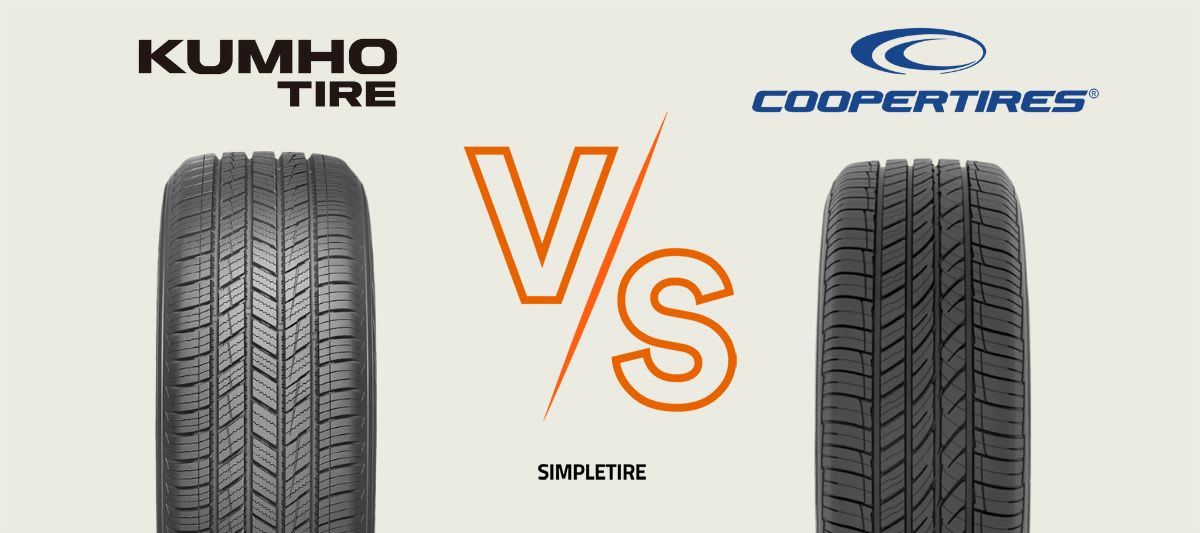
- Mixing Brands Can Affect Safety: Many drivers mix Kumho and Cooper tires on the same car to save money. However, different brands can have different grip levels, which might cause problems in emergencies. It’s safer to use the same brand and model on all four wheels.
Credit: simpletire.com
A Real-world Example
Let’s say you have a Honda CR-V and want tires for all seasons. You’re choosing between the Kumho Crugen HP71 and the Cooper Endeavor Plus. The Kumho is about $30 cheaper per tire, but the Cooper offers a 10,000 mile longer warranty and better ratings in snow. If you live in a snowy area, the Cooper might be worth the extra money. If you drive mostly in the city, Kumho could save you cash without giving up much comfort.
Where To Find More Information
If you want to see more technical specs, reviews, or tire test results, check the official websites or visit trusted sources like Tire Rack. They have real-world tests and user reviews for most Kumho and Cooper models.
Frequently Asked Questions
What Is The Main Difference Between Kumho And Cooper Tires?
Kumho focuses on value and comfort, often at a lower price. Cooper is known for durability and strong performance, especially for off-road and all-terrain driving.
Are Kumho Tires Good For Winter Driving?
Kumho’s WinterCraft line is made for snow and ice, but their all-season tires are less effective in deep snow compared to Cooper’s winter or all-terrain tires.
Which Brand Lasts Longer, Kumho Or Cooper?
Cooper usually offers longer treadwear warranties (up to 80,000 miles), and many users report getting more miles from Cooper tires compared to Kumho.
Is There A Big Price Difference Between Kumho And Cooper?
Yes. Kumho is often $10–$30 cheaper per tire for similar sizes, but Cooper may be a better value if you need longer tread life or more features.
Can I Mix Kumho And Cooper Tires On My Car?
It is possible, but not recommended. Different brands may handle differently, which can affect safety, especially in emergencies. For best results, use the same brand and model on all four wheels.
Making the right choice between Kumho and Cooper tires depends on your budget, driving style, and where you live. Both brands offer safe, reliable options. Take the time to match your needs to the tire features that matter most, and you’ll enjoy better performance and peace of mind every mile.