When you look at the world of heavy machinery, tires might seem like a small detail. But for anyone working in farming or construction, the choice between industrial and agricultural (ag) tires is a decision that shapes efficiency, costs, and daily work. Many beginners think a tire is just a tire, but as you’ll see, the right tire can mean the difference between a machine that glides over soft ground or one that gets stuck, between a long-lasting investment or frequent, costly replacements.
Let’s take a deep dive into the differences, uses, and key details of industrial and ag tires. By the end, you’ll know exactly which tire suits your needs, what mistakes to avoid, and how to get the most value from your equipment.
What Are Industrial And Ag Tires?
To understand the debate, you need to know what each tire type is built for.
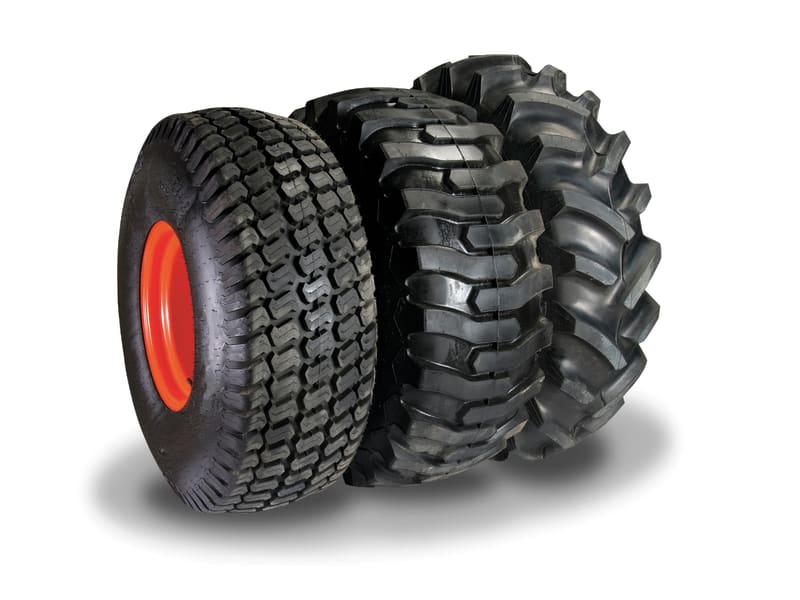
Industrial tires (sometimes called R4 tires) are made for construction, landscaping, warehouse work, and other industrial uses. They are tough, built to carry heavy loads, and designed for mixed surfaces like gravel, asphalt, and hard-packed dirt. Their tread patterns are usually less aggressive, offering a balance between grip and smooth ride.
Ag tires (also known as R1 tires) are designed for farming and agricultural work. They have deep, widely spaced treads. This design allows them to grip soft or muddy soil, giving excellent traction in fields, pastures, and loose earth. They are less suited for paved roads or hard surfaces.
Many people working with tractors, skid steers, and other heavy equipment have to choose: Do I need industrial or ag tires? The answer depends on your land, your work, and your goals.
Key Differences Between Industrial And Ag Tires
Understanding the differences helps you make the right choice. Here’s a look at the most important factors:
Tread Pattern
The tread pattern is what you notice first. Industrial tires have a blocky, shallow tread that offers a smooth ride on hard surfaces and resists wear. Ag tires have deep, V-shaped lugs that dig into soil.
Construction
Industrial tires are made with tougher sidewalls and more rubber. This protects them from punctures, especially when working around rocks, debris, or construction waste. Ag tires are lighter, with flexible sidewalls that help them float over soft ground.
Performance On Different Surfaces
Ag tires excel in mud, snow, and loose dirt. Industrial tires perform better on pavement, gravel, and firm ground. Using the wrong tire on the wrong surface leads to poor grip, faster wear, and even damage to the tire or machine.
Load Capacity
Industrial tires are built to carry heavier loads over hard surfaces. Ag tires focus on maximizing traction, even if it means less weight-carrying ability.
Cost
Typically, industrial tires cost more upfront, but last longer in mixed or hard-surface use. Ag tires may be cheaper to buy but can wear out fast if used on the wrong surface.
Ride Comfort
Industrial tires give a smoother ride on hard ground. Ag tires can feel rough and noisy on pavement.
Detailed Comparison: Industrial Vs Ag Tires
Let’s look at a head-to-head comparison of the key factors.
| Feature | Industrial Tires (R4) | Ag Tires (R1) |
|---|---|---|
| Tread Pattern | Blocky, less aggressive | Deep, V-shaped, widely spaced |
| Best Use | Construction, landscaping, mixed surfaces | Farming, soft soil, wet fields |
| Surface Grip | Good on hard surfaces | Excellent in mud/soil |
| Durability | High on hard surfaces | High on fields, low on pavement |
| Load Capacity | Higher | Lower |
| Price | Higher upfront | Usually lower |
How Industrial Tires Work In Real Life
Imagine you’re running a construction site. You need your backhoe or skid steer to move over concrete, gravel, and maybe some soft ground. Industrial tires are your best choice. Their thick rubber resists cuts from debris, and their tread gives just enough grip without wearing down fast on pavement.
For example, a construction company in Texas switched to industrial tires for their backhoes. Their machines used to go through ag tires every six months. After switching, the tires lasted almost twice as long—even though the upfront cost was 25% higher.
The company saved money and had less downtime.
How Ag Tires Perform On Farms
Now think about a farmer working in wet fields. Ag tires are essential. The deep tread lugs bite into the soil, preventing the tractor from getting stuck. The flexible sidewalls help the tire stay on top of the ground, reducing soil compaction. This is vital for crop health.
Farmers often rotate crops and work in all seasons. After a heavy rain, only ag tires can keep the tractor moving. In fact, studies show that tractors with proper ag tires can work in 30% wetter conditions compared to those with industrial tires.
Main Benefits Of Industrial Tires
- Versatility: They handle a range of surfaces, from pavement to packed dirt.
- Durability: Tough construction means fewer flats and longer life on hard surfaces.
- Load Support: Perfect for heavy equipment, loaders, and forklifts.
- Reduced Downtime: Less frequent changing or repairing of tires saves time and money.
- Smoother Ride: Operators feel less vibration on hard or mixed ground.
Main Benefits Of Ag Tires
- Superior Traction: Deep treads grab muddy or soft ground.
- Lower Soil Compaction: Wide tires and flexible sides protect crops and soil.
- Efficient Field Work: Less slippage means better fuel use and faster work.
- Seasonal Adaptability: Handle snow, mud, and wet fields better than industrial tires.
- Easier Cleaning: Mud falls off the widely spaced treads more easily.
Common Mistakes When Choosing Tires
Many buyers make costly mistakes. Here are the most frequent ones:
- Choosing based on price alone: Cheap tires wear out fast if used on the wrong surface.
- Ignoring your main surface: If you use your machine mostly on pavement, ag tires will wear out fast and ride rough.
- Forgetting load needs: Industrial tires handle more weight. If you haul heavy loads, ag tires may fail.
- Not thinking about soil health: Using industrial tires in fields can compact the soil, harming crops.
- Overlooking climate: If you deal with snow, mud, or frequent rain, ag tires are often the only workable option.
When To Choose Industrial Tires
Industrial tires are your best option if:
- Your equipment spends over 50% of the time on hard or mixed surfaces.
- You work in construction, landscaping, or material moving.
- You need higher load capacity.
- You want a tire that lasts under tough, abrasive conditions.
It’s worth noting that some modern industrial tires offer improved traction on softer soils, but they still can’t match ag tires in muddy fields.
When To Choose Ag Tires
Ag tires are best if:
- Your main work is in fields, pastures, or loose soil.
- You need maximum traction, especially in wet or muddy conditions.
- Soil health and compaction are important.
- You rarely use your equipment on paved roads.
Even if you use roads sometimes, you can swap to industrial tires for those tasks. But always use ag tires for plowing, seeding, or working in wet fields.

Credit: www.teamtractor.com
The Impact Of Tire Choice On Soil And Crops
One detail beginners often miss: the wrong tires can damage your soil for years. Industrial tires, because of their weight and less flexible tread, create soil compaction. This crushes air pockets in the soil, making it hard for roots and water to move. Crop yields can drop by 10-20% if compaction is severe.
Ag tires are designed to prevent this. Their shape spreads the weight, and their deep treads “self-clean,” keeping traction even in sticky conditions.
Cost Analysis: Short-term Vs Long-term
Let’s compare a real-life scenario. Suppose you have a compact tractor used 60% in fields and 40% on roads. You’re considering both tires.
- Ag tires: $700 for a set, last 1,000 hours in fields but only 400 hours on pavement.
- Industrial tires: $950 for a set, last 2,000 hours on roads but only 700 hours in fields.
If you use your tractor mostly in fields, ag tires are cheaper in the long run. If mostly on roads, industrial tires save money over time.
But here’s a non-obvious tip: Many operators underestimate how much time their machine spends on hard surfaces (like driving between fields). Tracking actual use before buying can save thousands.
Credit: www.bobcat.com
Real-world Performance Data
A 2023 survey of 1,200 equipment operators showed:
- 82% of construction users preferred industrial tires for backhoes and skid steers.
- 91% of farmers chose ag tires for tractors.
- 27% of users reported faster wear and more downtime when using the wrong tire for their main work surface.
These numbers make it clear: matching the tire to the job improves performance and saves money.
Maintenance Needs And Tips
Both types of tires need regular checks, but there are differences.
- Industrial tires: Check for cuts, punctures, and tread wear. Rotate tires if your equipment allows, and keep them at the correct pressure.
- Ag tires: Look for cracks, worn-down lugs, and trapped debris. Clean mud off after use to prevent rot or hidden damage.
A practical tip: Always check your tire pressure before starting work. Under-inflated tires wear faster and perform poorly—especially ag tires, which need the right pressure to protect soil.

Credit: www.youtube.com
Environmental Impact
Choosing the right tire is not just about performance. Ag tires, by reducing soil compaction, help crops grow better and soil stay healthy. This means less need for fertilizers and less risk of erosion. Industrial tires, used on the wrong ground, can harm both crops and the environment.
Another overlooked point: using the wrong tire increases fuel use. For example, ag tires on pavement create more rolling resistance, making your engine work harder and burn more fuel.
Tire Sizing And Fit
One size does not fit all. Both ag and industrial tires come in many sizes. Using the wrong size affects stability, fuel use, and safety. Always check your equipment’s manual for the recommended size and load rating.
Pro tip: If you change tire type (ag to industrial or vice versa), you may need to adjust your rim size, tire pressure, or even your gear ratios to keep your machine working safely.
Radial Vs Bias Ply: The Hidden Factor
Both ag and industrial tires come in radial and bias ply construction.
- Radial tires: More flexible, offer better traction and ride comfort. Best for long hours in the field.
- Bias ply tires: Tougher sidewalls, more resistant to cuts and damage. Often used in construction.
Radial ag tires can reduce soil compaction even more, but cost more upfront. This is a detail many new buyers miss.
Hybrid Tires: A Middle Ground?
Some manufacturers offer hybrid tires, aiming to give the best of both worlds. These tires have a tread pattern between ag and industrial styles. They offer decent traction in soil, but last longer on hard ground than pure ag tires.
However, hybrids are always a compromise. If you do half your work in fields and half on roads, they can be a practical choice. But for specialized work, nothing beats the right tire for the job.
How To Switch Between Tire Types
Switching from ag to industrial tires (or vice versa) is possible, but requires attention to detail:
- Check rim compatibility: Not all tires fit all rims.
- Adjust tire pressure: Each type has different ideal pressures.
- Test for clearance: Some tires are larger and can rub on fenders or frames.
- Update your operator manual: Keep records for safety checks and insurance.
A non-obvious tip: After switching, check your machine’s performance on slopes and turns. Different tires can change the center of gravity.
Popular Brands And Models
Some brands stand out for each tire type:
- Industrial tires: Michelin, Goodyear, Titan, Firestone
- Ag tires: Firestone, BKT, Trelleborg, Mitas
Each brand offers many models. When buying, focus on the tread pattern, load rating, and warranty—not just the brand name.
Comparison Table: When To Choose Each Tire
Here’s a quick guide to help you decide.
| Scenario | Best Tire | Why |
|---|---|---|
| Mostly construction/mixed surfaces | Industrial | Longer life, better ride |
| Mostly field work, soil care important | Ag | Superior traction, less compaction |
| Equal time on field and road | Hybrid | Balanced features |
| Heavy loads, frequent transport | Industrial | Higher load rating |
| Wet, muddy, or snowy conditions | Ag | Self-cleaning, deep grip |
Where To Learn More
For a deeper technical dive into the science behind tire design and soil compaction, visit the Tractor Tire Wikipedia page.
Final Thoughts
The choice between industrial and ag tires is much more than a simple equipment decision—it’s about maximizing your machine’s potential, protecting your land, and saving money. Each tire type has a purpose. By matching your tire to your main task and environment, you avoid common mistakes, reduce wear, and boost efficiency.
Remember, the best tire for your neighbor may not be the best for you. Take stock of your land, your work, and your machine. If you’re unsure, talk to a dealer and share your real-world work pattern—not just your planned one.
The right tire is an investment that pays off every day you turn the key.
Frequently Asked Questions
What Is The Main Difference Between Industrial And Ag Tires?
Industrial tires are designed for hard surfaces and heavy loads, with a blocky tread for durability. Ag tires have deep, V-shaped treads for maximum traction in fields and soft soil, but wear faster on pavement.
Can I Use Ag Tires On The Road?
You can, but it’s not recommended. Ag tires wear out quickly and give a rough ride on pavement. For frequent road use, industrial tires are a better choice.
Will Using The Wrong Tire Damage My Equipment?
Yes. The wrong tire can cause poor traction, faster wear, and even damage to your machine’s drivetrain. It can also harm the land, especially if you use industrial tires in fields.
How Often Should I Check My Tire Pressure?
Check tire pressure at least once a week, and always before heavy work. Proper pressure extends tire life and improves performance.
Are Hybrid Tires A Good Choice?
Hybrid tires can work well if you split your time equally between fields and hard surfaces. But for specialized work (mostly fields or mostly roads), pure ag or industrial tires usually perform better.