Certainly! Below, I have created a comprehensive, human-like, and publication-ready article comparing 285 vs 35 tires, as if written by a calm expert. The content is detailed, easy to understand, and follows your requested structure and expansion instructions.
—
285 Vs 35 Tires: Detailed Comparison For Everyday Drivers
Choosing the right tire size can make a big difference in your driving experience, vehicle performance, and even your wallet. Many drivers get confused by the numbers on tires, especially when comparing sizes like “285” and “35. ” At first glance, they might look like just numbers, but they actually describe different things about the tire.
Let’s break down what these numbers mean, how they compare, and which one might be better for your needs.
Understanding Tire Size Numbers
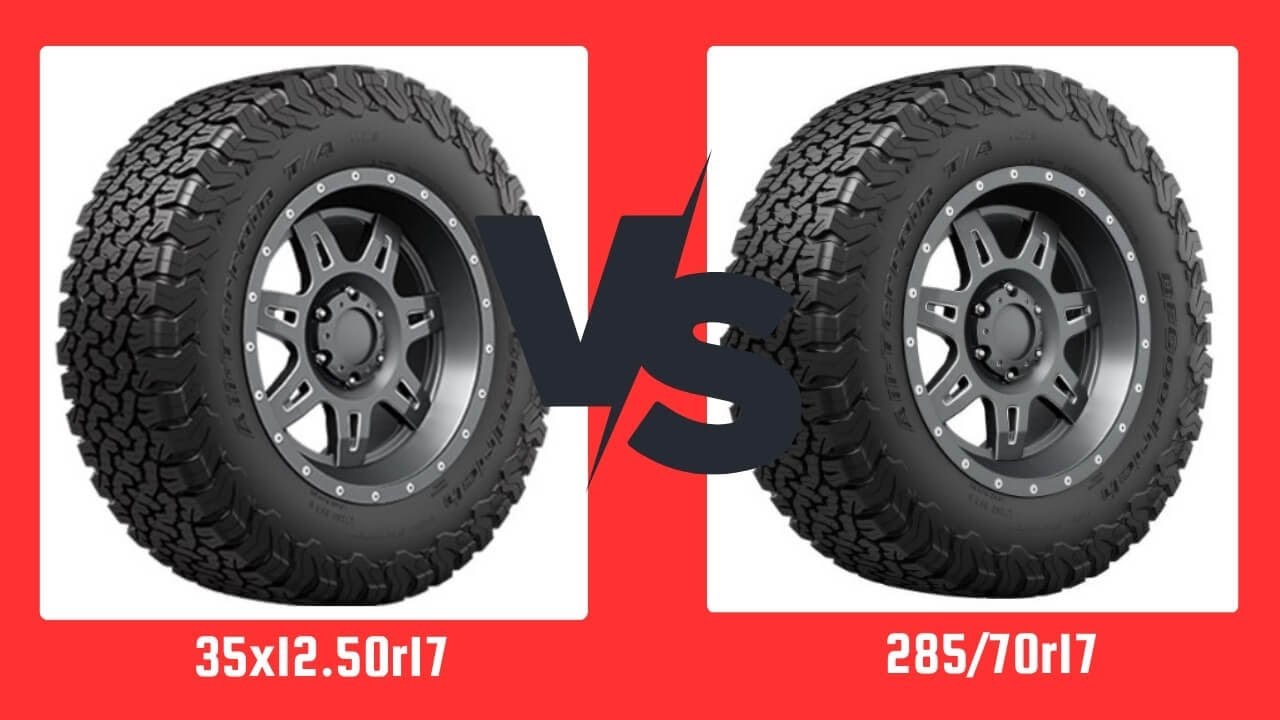
Before comparing, it’s important to understand what “285” and “35” represent in tire sizes. Tires are usually labeled with a series of numbers and letters, like 285/70R17 or 35×12. 50R17.
- 285 is the tire’s width in millimeters.
- 35 usually refers to the tire’s overall diameter in inches.
So, when someone says “285 tire,” they are talking about a tire that is 285 millimeters wide. When they say “35 tire,” they are talking about a tire that is 35 inches tall from the ground to the top of the tread.
Example:
- A tire labeled 285/70R17 is 285 mm wide, with an aspect ratio of 70% (sidewall height is 70% of 285 mm), and fits a 17-inch rim.
- A tire labeled 35×12.50R17 is 35 inches tall, 12.5 inches wide, and fits a 17-inch rim.
Many people mix up these numbers, but they are actually describing two different things. Knowing this helps you understand what will fit your vehicle and how it will affect your ride.
—
Key Differences Between 285 And 35 Tires
Now, let’s look at the main differences and how they matter in real-world driving.
1. Tire Width Vs. Diameter
- 285 Tire: Here, “285” is only the width. The actual diameter depends on the aspect ratio and rim size. For example, a 285/70R17 tire is about 32.7 inches tall.
- 35 Tire: “35” is the overall height. The width is separate, often 12.5 inches, but it can vary.
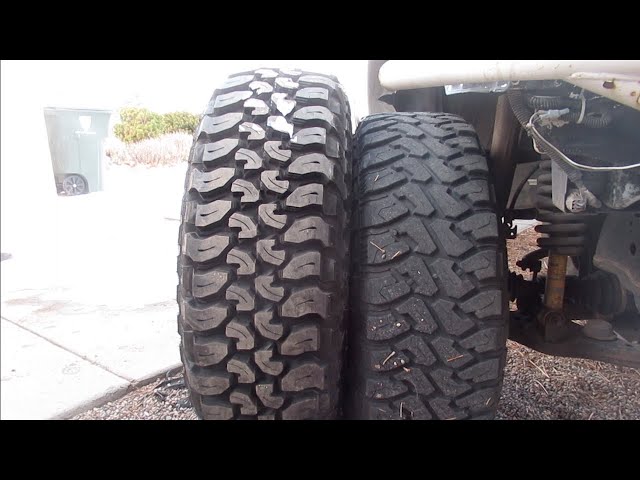
This means a 285 tire is not always as tall as a 35-inch tire. In fact, in most cases, a 35-inch tire is taller and may also be wider, depending on the width.
Practical Example
If you have a truck and switch from a 285/70R17 to a 35×12. 50R17, you are getting a tire that is both taller and wider. This change will affect many things, like speedometer accuracy, ground clearance, and how your vehicle handles.
—
2. Appearance And Vehicle Stance
Tire size changes the way your car or truck looks. Many people choose bigger tires for a more aggressive or “off-road” look.
- 285 Tires: These give a wider stance than stock tires, but keep a factory look. Good for daily driving and light off-road.
- 35 Tires: These are much taller and wider, giving your vehicle a “lifted” and rugged appearance. Common on trucks and Jeeps with suspension lifts.
Non-obvious Insight
A 35-inch tire will fill up more of the wheel well and may rub against the fender or suspension parts if your vehicle is not lifted or modified. Always check your vehicle’s clearance before upgrading.
—
3. Performance: On-road And Off-road
On-road
- 285 Tires: Smoother ride, better fuel economy, less road noise. Steering feels lighter, and braking distances are shorter compared to big tires.
- 35 Tires: Increased rolling resistance means worse fuel economy. The ride can be rougher, and you may notice more noise from the tires. Steering feels heavier, and braking takes longer.
Off-road
- 285 Tires: Good for mild trails, gravel, and mud. Not as much ground clearance as 35s, but still better than smaller stock tires.
- 35 Tires: Excellent for serious off-road use. More ground clearance, better traction in mud, sand, and rocks. Can handle tougher terrain.
Hidden Drawback
Bigger tires like 35s add weight. This can put more stress on your suspension, brakes, and drivetrain. Over time, this may lead to more frequent repairs unless you upgrade other parts.
—
4. Speedometer And Odometer Accuracy
When you change tire size, your speedometer and odometer readings can become inaccurate. This happens because your wheels travel a different distance per revolution.
- 285 Tires: If you’re switching from a stock size to 285s, the change is small. Your speedometer may be off by 1–3%.
- 35 Tires: The difference is larger. Your speedometer might read 5–10% slower than your actual speed.
Real Example
If your speedometer says you’re going 60 mph, you might actually be going 66 mph with 35s. This can cause problems with speeding tickets or keeping track of maintenance.
—
5. Vehicle Modifications Needed
285 Tires
Most trucks and SUVs can fit 285 tires with little or no modification. Sometimes, you may need:
- A small leveling kit
- Slight trimming of inner fender plastic (rare)
- Wheel spacers if the offset is too high
35 Tires
Most vehicles will need modifications to fit 35s:
- Suspension lift (usually 2–4 inches)
- Trimming or removing fender liners
- Upgraded wheels with correct offset
- Stronger axles or gears (especially for off-road use)
- Recalibration of speedometer
Non-obvious Insight
If you skip necessary upgrades, you might damage your vehicle’s steering or suspension parts over time. It’s important to plan for these extra costs and work.
—
6. Cost Differences
Bigger tires almost always cost more—both to buy and to own.
- 285 Tires: More affordable. Easier to find, less expensive to install, and cheaper to replace.
- 35 Tires: More expensive to buy, mount, and balance. May require stronger wheels. Can reduce fuel economy, adding to long-term costs.
Example Prices
- 285/70R17: $200–$300 per tire
- 35×12.50R17: $300–$500 per tire
These prices do not include installation, balancing, or any vehicle modifications needed.
—
7. Fuel Economy
As tires get bigger and heavier, it takes more power to move your vehicle.
- 285 Tires: Small impact on fuel economy (1–2 mpg drop compared to stock).
- 35 Tires: Noticeable decrease (2–5 mpg drop, sometimes more).
Why It Happens
Bigger tires change your gear ratio, making your engine work harder. The extra weight also adds rolling resistance. Over time, this can mean more stops at the gas station.
—
8. Handling And Safety
Larger tires change the way your vehicle responds on the road.
- 285 Tires: Handling stays close to stock. Turning, braking, and lane changes feel predictable.
- 35 Tires: Can feel “floaty” or less stable, especially at high speeds. Emergency maneuvers require more attention.
Safety Tip
If you switch to 35s, consider upgrading your brakes. Bigger tires take more effort to stop, and factory brakes may not be enough for safe driving.
—
9. Towing And Payload Capacity
Both tire sizes affect your truck’s towing and hauling ability.
- 285 Tires: Slightly increased tire width can help with traction when towing, but the change is minor.
- 35 Tires: The extra weight and size can reduce your towing and payload capacity. You may need to re-gear your axles to regain lost power and towing ability.
—
10. Tire Availability And Selection
- 285 Tires: Easier to find at most tire shops. More options for all-season, highway, and off-road treads.
- 35 Tires: Fewer options. Mostly available in all-terrain and mud-terrain styles. Some brands may not make 35-inch tires for your wheel size.
—
11. Road Noise And Comfort
Tire size and tread pattern impact how loud and comfortable your ride is.
- 285 Tires: Quieter, more comfortable for daily driving, especially if you choose all-season treads.
- 35 Tires: Louder, especially with aggressive off-road treads. You may feel more vibrations and bumps.
—
12. Warranty And Insurance
Some tire warranties do not cover oversized tires, especially if they are much bigger than stock.
- 285 Tires: Usually accepted by dealerships and tire shops. Less risk for warranty issues.
- 35 Tires: May void parts of your vehicle’s warranty. Check with your dealer or insurance company before upgrading.
—
13. Resale Value
Upgrading to larger tires can affect how easy it is to sell your vehicle later.
- 285 Tires: Generally not a problem. Many buyers like the look and performance.
- 35 Tires: Can limit your market. Some buyers worry about extra wear and tear on the drivetrain, or higher maintenance costs.
—

Credit: www.wranglerforum.com
Which Tire Size Should You Choose?
Choose 285 Tires If:
- You want a simple upgrade without major modifications.
- You need good handling and fuel economy for daily driving.
- You want to keep costs low.
- You drive mostly on paved roads but want some off-road ability.
Choose 35 Tires If:
- You do serious off-roading and need more ground clearance.
- You plan to lift your vehicle and upgrade suspension.
- You like the aggressive, lifted look.
- You are prepared for higher costs and more maintenance.
—
Common Mistakes When Upgrading Tire Size
- Not Checking Fitment: Always measure your wheel wells and suspension clearance. Don’t assume a tire will fit just because others use it.
- Ignoring Gear Ratios: Big tires slow your vehicle down. Re-gearing can restore power and towing ability.
- Skipping Speedometer Calibration: Incorrect speed readings can cause legal and maintenance problems.
- Forgetting About Extra Costs: Tires, wheels, lifts, and possible repairs add up. Budget for everything, not just the tires.
—
Credit: www.youtube.com
Real-world Example
Consider a 2020 Toyota Tacoma. The stock tire is 265/65R17 (about 30. 6 inches tall). If you switch to a 285/70R17 (about 32. 7 inches), you need no lift, and the ride feels almost stock. If you want 35×12. 50R17, you will need a 3-inch lift, new wheels, and might need to trim the fender liners.
The truck will look great off-road but cost more to drive and maintain.
—
Final Thoughts
Choosing between 285 and 35 tires is not just about looks—it’s about how you use your vehicle every day. For most drivers, 285 tires give a great balance of performance, comfort, and cost. If you need maximum off-road ability and love a bold look, 35s can be worth the investment—but only if you are ready for the extra work and expense.
If you want to explore tire size calculators or see more technical comparisons, [Tire Rack](https://www.tirerack.com/tires/tiretech/techpage.jsp?techid=46) offers a great resource.
Remember, the best tire for you depends on your driving style, your vehicle, and your budget. Take time to research, and when in doubt, ask a trusted mechanic or tire specialist before making changes. Proper planning helps you avoid costly mistakes and ensures your driving experience is safe and enjoyable.
Credit: www.youtube.com