Choosing the right tire brand is one of the most important decisions for safe, comfortable driving. Tires affect how your car handles, how much fuel it uses, and even how much noise you hear inside. Two popular brands often compared are Kumho and Goodyear. Both companies have earned respect, but their products, prices, and performance are quite different. If you’re unsure which to pick, this article will guide you through every detail. We’ll look at their histories, the types of tires they offer, how they perform in real-world situations, and what buyers often overlook.
Brand History And Reputation
Kumho: The Korean Challenger
Kumho Tire began in South Korea in 1960. Over the years, it grew from a local manufacturer to a global brand, selling tires in over 180 countries. Kumho is known for its commitment to innovation and value. They focus on making tires affordable without sacrificing safety. Today, Kumho tires are used on everyday cars, trucks, and even race cars.
Despite being less famous than Goodyear, Kumho has won awards for quality and technology. Many drivers say Kumho tires perform surprisingly well for their price. However, Kumho is sometimes seen as a “budget” brand, which can make some buyers cautious.
Goodyear: The American Leader
Goodyear has been making tires since 1898 in the United States. It’s one of the world’s oldest and most trusted tire brands. Goodyear is known for high standards, strong warranties, and advanced technology. Their tires are used on everything from passenger cars to airplanes and racing cars.
Goodyear’s reputation is built on decades of research and safety achievements. They often lead the market in new features, like fuel-saving designs and quiet-ride technology. Many drivers choose Goodyear because they want reliability and performance, even if it costs more.
Tire Types And Range
Both brands offer many different tires for cars, SUVs, trucks, and specialty vehicles. However, their focus and product lines are a bit different.
Kumho’s Tire Range
Kumho focuses on making tires for drivers who want good value. Their main categories include:
- Passenger Car Tires: For everyday driving, Kumho offers models like Ecsta and Solus. These are designed for comfort, decent grip, and low noise.
- Performance Tires: The Ecsta series is also used for sporty cars. These tires have improved handling and braking for faster driving.
- SUV and Light Truck Tires: Kumho’s Crugen and Road Venture lines are made for larger vehicles, offering strong grip and durability.
- Winter Tires: Kumho makes several models for cold conditions, like WinterCraft. These tires are built for snow and ice.
Kumho also offers some specialized tires for racing, commercial vehicles, and eco-friendly driving.
Goodyear’s Tire Range
Goodyear’s lineup is much wider. They make tires for almost every type of vehicle and driving style:
- All-Season Tires: The popular Assurance and Eagle lines are made for year-round use, balancing comfort and grip.
- Performance Tires: Goodyear’s Eagle F1 series is famous for high-speed handling and short braking distances.
- SUV and Truck Tires: The Wrangler and Fortera series are designed for off-road, towing, and tough conditions.
- Winter Tires: Goodyear’s Ultra Grip models are praised for their snow and ice handling.
- Eco-Friendly Tires: The EfficientGrip line helps drivers save fuel and reduce emissions.
Goodyear also produces tires for commercial trucks, racing, aviation, and special vehicles.
Price And Value
One of the biggest differences between Kumho and Goodyear is price. Let’s compare how much you can expect to pay for similar tires from each brand.
| Brand | Model | Type | Average Price (USD) |
|---|---|---|---|
| Kumho | Solus TA31 | All-Season | $90 – $120 |
| Goodyear | Assurance All-Season | All-Season | $120 – $160 |
| Kumho | Ecsta PS31 | Performance | $110 – $140 |
| Goodyear | Eagle F1 Asymmetric | Performance | $170 – $220 |
| Kumho | Crugen HT51 | SUV/Truck | $120 – $150 |
| Goodyear | Wrangler All-Terrain | SUV/Truck | $170 – $210 |
Kumho tires are usually 20–40% cheaper than Goodyear. This is a big reason why budget-conscious buyers choose Kumho. However, cheaper does not always mean lower quality. Kumho’s products often match or beat other budget brands in safety and reliability.
Goodyear tires cost more, but buyers often get advanced features, better warranties, and longer tread life. For people who drive a lot, the higher price can pay off in the long run.
Performance In Different Conditions
Choosing tires is not just about price. How they perform in real situations is even more important. Here’s how Kumho and Goodyear compare in common driving conditions.
Dry Roads
On dry roads, both brands offer good handling, but Goodyear’s performance tires have the edge. Goodyear’s Eagle F1 models are famous for their grip and quick steering response. Kumho’s Ecsta series does well, but some testers notice softer cornering at high speeds.
For everyday driving, Kumho’s Solus and Goodyear’s Assurance both provide stable, comfortable rides. Most drivers won’t notice a big difference unless they push their cars hard.
Wet Roads
Wet conditions are where tire quality really matters. Goodyear uses special tread patterns and rubber mixes to reduce hydroplaning. Their Assurance WeatherReady and Eagle F1 models score high in wet grip tests.
Kumho’s tires, like Ecsta PS31, perform well for their price. They use wide grooves and silica for good water drainage. However, Goodyear still leads in wet braking and control, especially on performance and premium models.
Snow And Ice
For winter driving, Goodyear’s Ultra Grip series is highly rated. They have deep treads and soft rubber that stays flexible in cold. Kumho’s WinterCraft models also work well, but some drivers report quicker wear and less grip in icy conditions.
If you live in a place with heavy snow, Goodyear’s winter tires may be a safer choice. Kumho is suitable for light snow or mild winters.
Off-road And Tough Conditions
For trucks and SUVs, Goodyear’s Wrangler line is trusted by many off-road enthusiasts. They have reinforced sidewalls and aggressive tread designs. Kumho’s Crugen and Road Venture tires are good for dirt and gravel, but may not last as long in extreme conditions.
Goodyear’s higher price comes with better durability and performance for tough jobs.
Tread Life And Durability
How long a tire lasts depends on the rubber quality, tread design, and how you drive. Both brands offer warranties, but Goodyear’s are usually longer.
| Brand | Model | Tread Warranty (miles) | Estimated Lifespan (years) |
|---|---|---|---|
| Kumho | Solus TA31 | 60,000 | 4-5 |
| Goodyear | Assurance All-Season | 65,000 | 5-6 |
| Kumho | Crugen HT51 | 70,000 | 5-6 |
| Goodyear | Wrangler All-Terrain | 60,000 | 5-7 |
Goodyear tires often last a bit longer, but Kumho’s latest models are closing the gap. Real-world results depend on driving habits and maintenance. Some drivers report Kumho tires wearing faster, especially in hot climates or harsh conditions.
Comfort And Noise
Tire comfort depends on the design and rubber used. Goodyear invests heavily in noise reduction and smooth ride technology. Their Assurance ComfortDrive and Eagle lines are praised for quietness.
Kumho’s Solus and Ecsta offer good comfort for their price. However, some testers notice more road noise, especially as the tires age.
If a silent cabin and smooth ride are important, Goodyear is usually ahead. Kumho is good for buyers who accept a bit more noise to save money.

Credit: www.reddit.com
Safety Features
Both brands follow strict safety standards. Goodyear often adds extra features like:
- Run-flat technology: Lets you drive even after a puncture
- Advanced tread patterns: For better grip in all weather
- Durable sidewalls: Reduce risk of blowouts
Kumho offers basic safety features and strong construction, but fewer extras. They focus on making tires safe for everyday use, not adding high-end technology.
Warranty And Customer Support
Warranty is a key factor, especially if you drive a lot. Goodyear’s warranties are usually longer and cover more problems. Their customer service is known for fast help and clear policies.
Kumho’s warranties are shorter, but still protect against defects and quick wear. They have improved customer support, but some buyers report slower responses.
If you want peace of mind, Goodyear’s warranty is more complete.
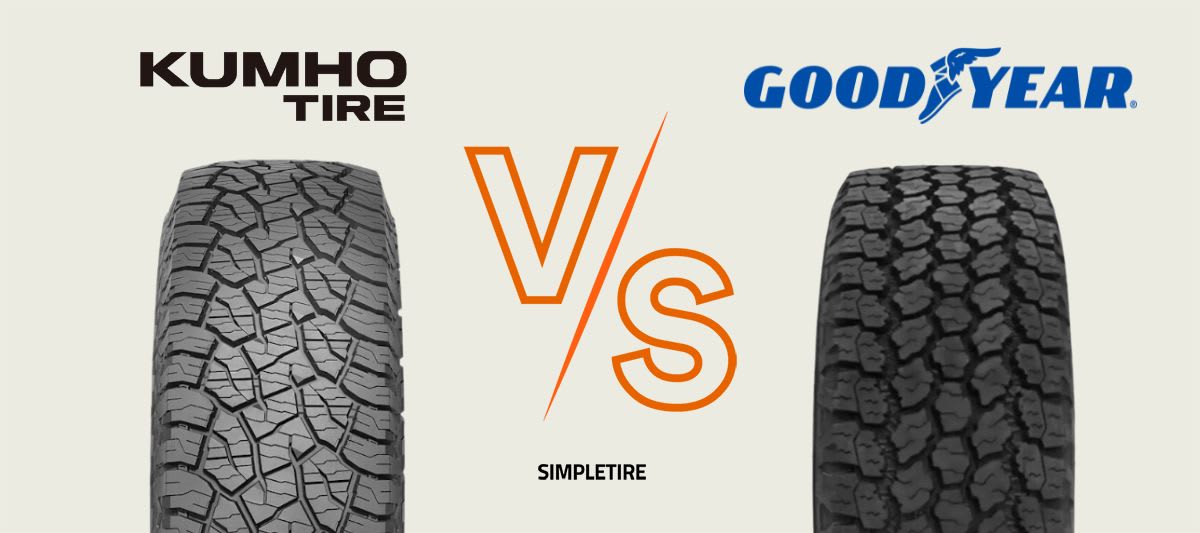
Credit: simpletire.com
User Reviews And Real-world Feedback
Looking at real driver reviews helps see how tires perform after months or years of use.
Kumho Reviews
Most Kumho buyers praise the value for money. They often say the tires handle well in dry and light wet conditions. Some mention fast wear or noisy rides after 20,000 miles. Kumho tires are popular for second cars, city driving, or people who change tires often.
A common insight: Kumho’s performance tires feel almost as good as premium brands at half the price, but may not last as long.
Goodyear Reviews
Goodyear buyers highlight long tread life, quiet rides, and strong grip in all weather. Many say the higher price is worth it for safety and comfort. Some mention the tires keep their performance even after years.
Non-obvious insight: Goodyear’s eco-friendly tires like EfficientGrip help cut fuel costs, especially for city drivers.
Environmental Impact
Tire production affects the environment. Goodyear uses more recycled materials and works to cut emissions. Their EfficientGrip line is designed for low rolling resistance, which saves fuel.
Kumho is improving its eco-friendly options, but is not as advanced as Goodyear. If environmental impact matters to you, Goodyear offers more green choices.

Credit: www.reddit.com
Availability And Local Support
Goodyear tires are sold in most countries, with many dealers and service centers. Kumho is available worldwide, but may be harder to find in smaller cities.
If you want quick replacement or support, Goodyear is often easier to access.
Common Mistakes When Choosing Between Kumho And Goodyear
Many buyers make mistakes when picking tires. Here are some you should avoid:
- Ignoring your driving style: Performance tires are not needed for city driving. Choose based on your real needs.
- Focusing only on price: Cheap tires can cost more in the long run if they wear fast or cause accidents.
- Overlooking warranty and support: A good warranty can save money if a tire fails early.
- Not checking local availability: If a tire is hard to find, replacement can take longer.
- Missing special features: Run-flat or eco-friendly options can make a big difference.
Kumho Vs Goodyear: Side-by-side Comparison
Here is a summary to help you quickly see the main differences.
| Feature | Kumho | Goodyear |
|---|---|---|
| Price | Lower | Higher |
| Warranty | Shorter | Longer |
| Performance | Good for price | Excellent, advanced |
| Tread Life | Average to good | Good to excellent |
| Comfort/Noise | Decent | Very quiet |
| Safety Features | Basic | Advanced |
| Availability | Global, less local support | Global, strong local support |
| Eco-Friendly Options | Few | Many |
Choosing The Right Brand For Your Needs
When deciding between Kumho and Goodyear, think about your main priorities:
- If you want affordable tires for normal driving, Kumho is a strong choice.
- If you want top performance, comfort, and long life, Goodyear is better.
- For winter conditions or off-road driving, Goodyear has more proven options.
- For eco-friendly driving, Goodyear’s EfficientGrip series stands out.
Many buyers miss that buying the right tire size and type is more important than the brand alone. Always check your vehicle manual and local conditions.
Practical Tips For Tire Buyers
Here are some tips to make your choice easier:
- Read real user reviews before buying. Look for comments on wear, comfort, and performance.
- Check the date code on tires. Old stock can be unsafe, even if unused.
- Rotate your tires every 5,000–8,000 miles to get the best life.
- Balance price and quality. Sometimes, a mid-range Goodyear tire is better than a top Kumho for long-term use.
- Ask about local support. If you travel often, quick replacement can be critical.
Frequently Asked Questions
Are Kumho Tires Safe For Highway Driving?
Yes, Kumho tires are tested for safety and meet international standards. They handle highway speeds well, but may wear faster if used for heavy loads or rough roads. Always check your tire pressure and avoid overloading.
Why Are Goodyear Tires More Expensive?
Goodyear tires cost more because of advanced technology, stronger materials, longer warranties, and extra features like run-flat and noise reduction. Their production uses better rubber and more research, which raises the price but also the quality.
How Long Do Kumho Tires Usually Last?
Most Kumho tires last 4–6 years or 40,000–70,000 miles, depending on the model and driving style. Performance tires may wear faster than all-season models. Regular maintenance helps extend their life.
Can I Use Kumho Tires For Winter?
Kumho makes WinterCraft tires for snow and ice. They are suitable for mild winters and light snow. For heavy snow and ice, Goodyear’s Ultra Grip series offers better grip and durability.
Do Goodyear Tires Improve Fuel Economy?
Some Goodyear tires like EfficientGrip are designed to reduce rolling resistance. This can improve fuel economy by up to 5% compared to regular tires. For city drivers or long-distance travelers, this can save money over time.
Making the right tire choice means balancing price, safety, comfort, and your driving needs. Both Kumho and Goodyear offer reliable products, but each brand shines in different areas. Take time to research, check local options, and match your tires to your real-world conditions. For more technical details and independent ratings, visit the Tire Wikipedia page. This will help you make a confident, informed decision for your next set of tires.