All-terrain tires and winter tires are two of the most talked-about options when people want better grip, safety, and driving comfort in tough conditions. Many drivers are unsure which tire is right for their needs, and there are a lot of myths and half-truths.
If you drive in different seasons or face snow, ice, mud, or gravel, understanding the real differences between these tire types can help you make a safer, smarter choice. This article gives you a deep, clear look at all-terrain tires vs winter tires.
You’ll learn how each tire works, where it performs best, and what you need to consider before buying.
What Are All Terrain Tires?
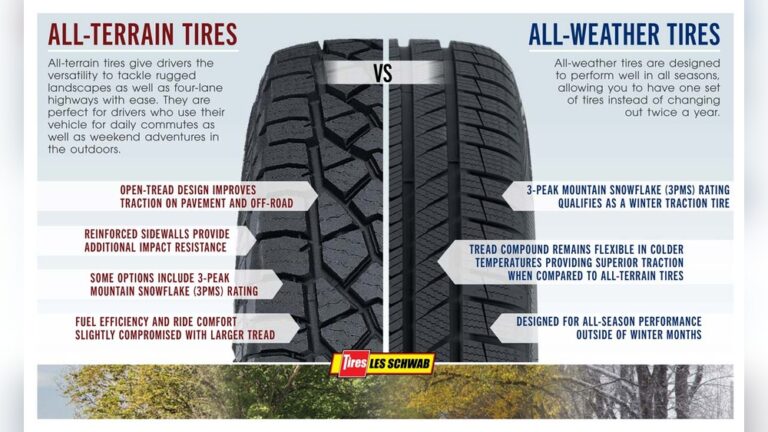
All-terrain (A/T) tires are designed as a middle ground between regular road tires and off-road tires. Their main job is to provide good traction on many surfaces—dry pavement, gravel, mud, and light snow. If you drive on highways but also venture off-road, these tires are made for you.
All-terrain tires have a unique tread pattern. The treads are deeper and more aggressive than standard tires, but not as chunky as pure off-road ones. This design helps them grip loose dirt and stones while still being safe and comfortable on paved roads.
Most A/T tires also use a rubber compound that balances durability with flexibility.
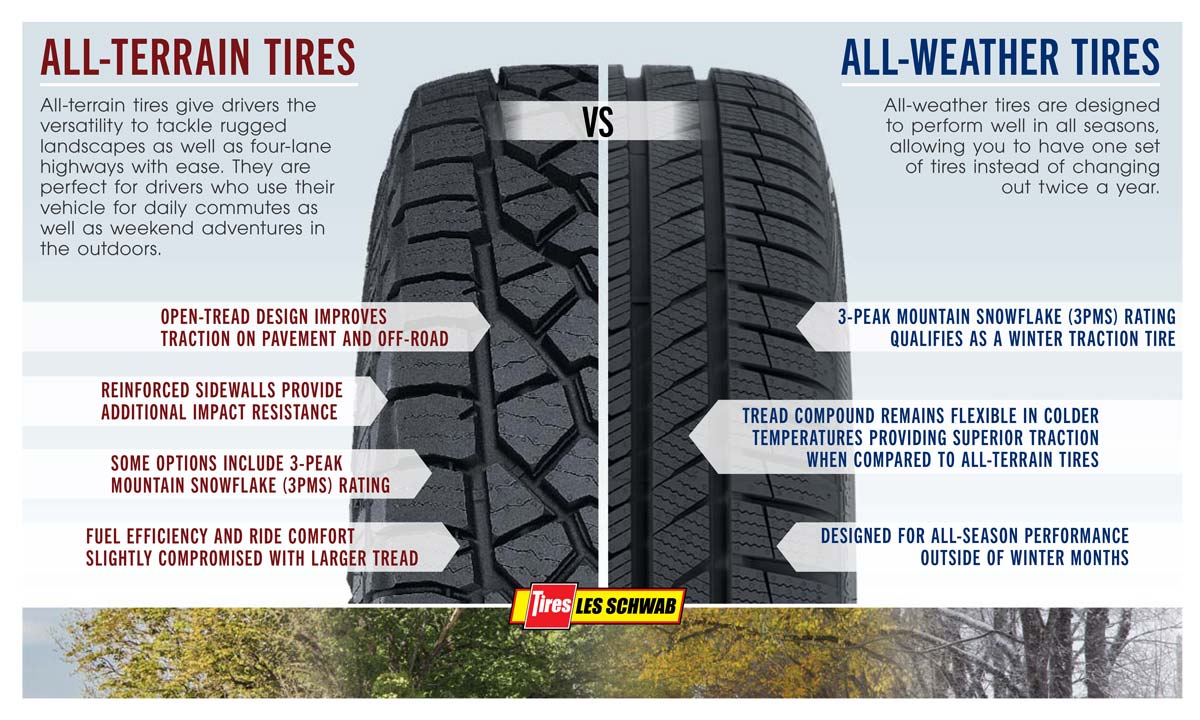
A/T tires come with the “M+S” (Mud and Snow) marking on the sidewall. This means they meet the minimum tread requirements for handling mud and snow, but it does not mean they are specialized winter tires.
What Are Winter Tires?
Winter tires (sometimes called snow tires) are built for cold, snowy, and icy conditions. Their key feature is a special rubber blend that stays soft when the temperature drops below 7°C (44°F). This softness lets the tire grip the road even when it’s freezing.
The tread on winter tires is deeper and has more biting edges—tiny slits called sipes. These sipes grab onto ice and snow, improving traction. Winter tires often have the “Three-Peak Mountain Snowflake” (3PMSF) symbol, showing they meet strict snow performance standards.
Winter tires are not just for snow. They also work well on cold, wet roads, giving shorter stopping distances and more control.
Key Differences: All Terrain Tires Vs Winter Tires
Many drivers think all-terrain and winter tires are similar, but several important differences set them apart. Let’s look closely at what makes each tire type unique.
| Feature | All Terrain Tires | Winter Tires |
|---|---|---|
| Main Purpose | Mixed road/off-road use | Cold, snowy, icy roads |
| Tread Design | Aggressive, medium-depth, wider grooves | Deep, narrow, many sipes |
| Rubber Compound | Balanced for all temperatures | Soft, flexible in cold |
| Markings | M+S | 3PMSF (Three-Peak Mountain Snowflake) |
| Best Season | All year except extreme winter | Winter only |
Tread Patterns And Grip
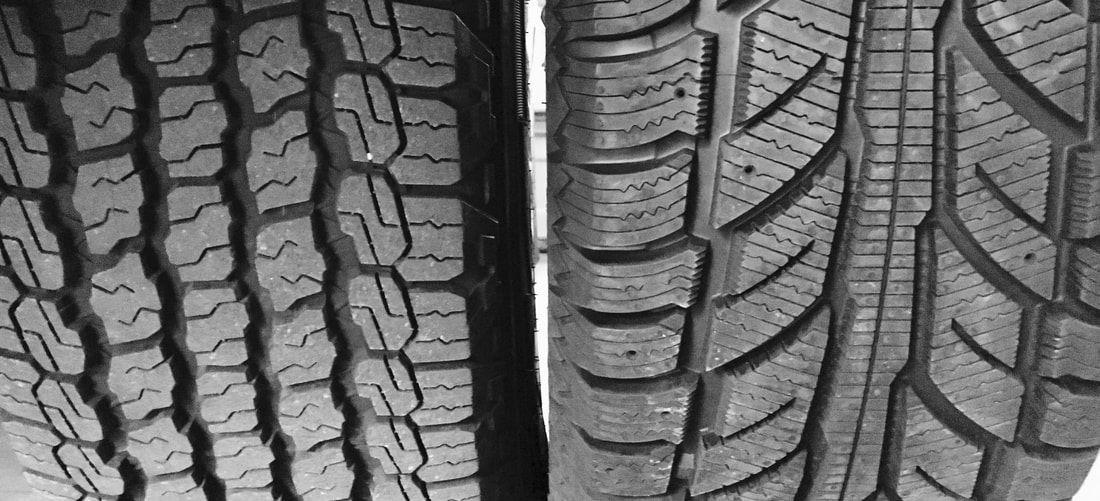
All-terrain tires have a tread designed to shed mud and grip rocky or loose surfaces. The blocks are larger, and the channels between them help throw off stones and debris. Winter tires, on the other hand, use small, closely spaced sipes that flex and bite into ice or packed snow.
This micro-grip is missing from most all-terrain tires, making winter tires much safer on frozen roads.
Rubber Compound
The rubber mix in all-terrain tires is made to handle both hot and cold, but it’s a compromise. In winter, this rubber gets hard and loses grip. Winter tires use a special compound that stays soft, even at -20°C, keeping the tire pressed against the road for better control.
Markings And Standards
The M+S marking on all-terrain tires shows they can handle some mud and snow. However, this is a basic standard. Winter tires with the 3PMSF symbol have passed real-world tests for snow performance. This makes them safer when roads are covered in snow or ice.
Performance In Different Conditions
Choosing the right tire depends on where and how you drive. Let’s see how all-terrain and winter tires handle various real-world conditions.
Dry Pavement
On dry, clear roads, all-terrain tires usually perform better than winter tires. Their tread is stiffer, giving better road feel and less rolling resistance. Winter tires, with their soft rubber and extra sipes, can feel “squirmy” or less stable, especially at higher speeds.
Wet Roads
Both tire types do well in rain, but for different reasons. All-terrain tires have wide grooves to channel water away, reducing hydroplaning. Winter tires, while not as good as summer tires on wet roads, still offer strong grip because of their flexible rubber and sipes.
Mud And Gravel
All-terrain tires are the clear winner off-road. Their open tread pattern is built to dig into mud and grip loose gravel. Winter tires are not designed for mud or dirt and may get clogged or damaged in rough terrain.
Snow
In light snow, all-terrain tires with the M+S marking can perform decently, especially if the snow is fresh and loose. For deep snow, packed snow, or icy conditions, winter tires are much safer. Their sipes and soft rubber dig into ice, giving shorter stopping distances and better control.
Ice
This is where winter tires prove their worth. On icy roads, the difference in grip can be dramatic. All-terrain tires, even with good tread, will struggle to stop or turn on ice. Winter tires keep their flexibility and grip, reducing the risk of sliding.
Extreme Cold
Below 7°C, all-season and all-terrain tires start to lose performance, becoming harder and less grippy. Winter tires keep their softness and effectiveness, making them the only safe choice in freezing weather.
Durability And Lifespan
How long a tire lasts depends on the rubber, tread pattern, and driving style. All-terrain tires are built for durability. Their tougher rubber resists cuts and chips from gravel. On highways, they may last 40,000–60,000 km.
Winter tires wear faster, especially if used in warm weather. Their soft rubber isn’t made for hot roads. Most winter tires last 20,000–40,000 km if used only during winter.
Rotating And Storing
To get the longest life from either tire, you should rotate them every 8,000–10,000 km. Winter tires need proper storage in a cool, dry place during summer. Leaving them on all year will wear them out quickly.
Noise And Ride Comfort
All-terrain tires can be noisier than standard or winter tires, especially on highways. Their chunky tread may produce a humming sound. Some newer A/T tires are designed to be quieter, but you may still notice more road noise than with winter tires.
Winter tires are usually quieter, as their tread blocks are smaller and softer. However, on dry roads, the extra sipes can make the ride feel less precise. Some drivers notice a “squishy” feel, especially when turning sharply.
Fuel Economy
Tire type affects fuel economy. All-terrain tires are heavier and have more rolling resistance due to their aggressive tread. This can lower fuel economy by 3–5% compared to highway tires.
Winter tires are lighter but their soft rubber and extra sipes also increase rolling resistance. This can reduce fuel efficiency by 2–4% compared to summer or all-season tires.
If saving fuel is your top priority, neither of these tire types is ideal. But safety in tough conditions often matters more than a small drop in mileage.
Cost Comparison
Tire prices vary by brand, size, and technology. Here’s a quick comparison of average costs for popular tire sizes (as of 2024):
| Tire Type | Average Price per Tire (USD) | Expected Lifespan (km) |
|---|---|---|
| All Terrain | $120–$250 | 40,000–60,000 |
| Winter | $100–$200 | 20,000–40,000 |
Remember, you also need to factor in mounting and balancing costs, plus the cost of swapping tires if you use winter tires seasonally.
Tire Markings And What They Mean
Understanding tire sidewall markings helps you buy the right tire for your needs.
- M+S (Mud and Snow): Found on all-terrain and some all-season tires. Means the tread is better than summer tires for mud and snow, but doesn’t guarantee winter safety.
- 3PMSF (Three-Peak Mountain Snowflake): Shows the tire passed extra tests for snow grip. Only true winter tires and some advanced all-terrain tires have this.
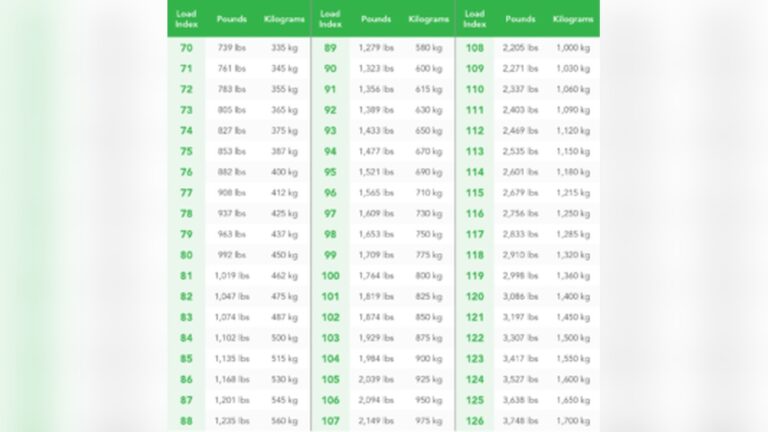
- Load index and speed rating: Important for matching your vehicle’s needs.
Don’t rely on M+S alone if you drive in real winter conditions. Look for the 3PMSF symbol.
When Should You Choose All Terrain Tires?
All-terrain tires are best if you:
- Drive on mixed surfaces—pavement, gravel, mud, light snow
- Need one tire for all seasons, except harsh winter
- Own a 4×4, SUV, or truck used for camping, off-roading, or farm work
- Live in areas with mild winters (rare heavy snow)
A common mistake is thinking all-terrain tires can fully replace winter tires in deep snow or ice. They can help in light snow, but their grip is limited when things get truly cold and slippery.
Credit: www.all-terraintires.com
When Are Winter Tires A Must?
Winter tires are the right choice if you:
- Drive where winter means snow, ice, or regular freezing temperatures
- Want the safest stopping and handling in winter conditions
- Live in an area where winter tires are required by law (like parts of Canada or Northern Europe)
- Drive on mountain roads or in rural areas where plowing is slow
Even if your car has all-wheel drive, winter tires make a huge difference. AWD helps you go, but only tires help you stop and turn safely on ice.
Are All Terrain Tires Good Enough For Winter?
This is a common question. The answer depends on your winter. In places with mild winters—where snow melts quickly and ice is rare—high-quality all-terrain tires might be enough. But in places with long, icy winters or heavy snow, they can’t match the safety of real winter tires.
An important detail: Some newer all-terrain tires now come with the 3PMSF symbol. These “hybrid” tires offer better winter grip than older A/T models but are still not as safe as dedicated winter tires on ice.
The Science Behind Tire Grip
Tire grip is about more than just tread depth. The rubber’s ability to stay soft and flexible in cold is key. As the temperature drops, standard rubber gets stiff and loses contact with the road. Winter tires use a mix of natural and synthetic rubber, plus special additives, to stay flexible in cold.
Another factor is “biting edges. ” Winter tires have thousands of tiny slits (sipes) that open and close, grabbing onto ice and snow. All-terrain tires have fewer sipes, so they can’t grip ice as well.
Laws And Insurance: What You Need To Know
In many places, winter tires are required by law during certain months. For example, in Quebec, Canada, winter tires are mandatory from December to March. In Germany, you must use tires with the 3PMSF symbol when roads are snowy or icy.
Insurance companies may also deny claims if you have an accident while using the wrong tires for the season. Always check local laws and your insurance policy.
Real-world Examples
Let’s look at two drivers with different needs:
Case 1: Sarah lives in Colorado and commutes daily. She uses all-terrain tires in summer for mountain trails, but switches to winter tires from November to April. She notices her stopping distance in snow is much shorter with winter tires.
Case 2: Mike lives in Georgia, where snow is rare. He uses all-terrain tires year-round. Last winter, a surprise snowstorm hit, and his A/T tires were just enough to get him home safely. He knows he’d need winter tires if he moved north.
These examples show that location and driving habits matter more than just tire type.
Common Myths About All Terrain And Winter Tires
Let’s clear up some popular myths:
- Myth: All-terrain tires are as good as winter tires in snow.
- Fact: A/T tires handle light snow, but real winter tires are much safer on ice and deep snow.
- Myth: You don’t need winter tires if you have 4WD or AWD.
- Fact: These features help you move, but only winter tires help you stop and turn safely.
- Myth: Winter tires wear out too fast.
- Fact: If used only in winter and stored properly, they can last several seasons.
- Myth: M+S marking means a tire is winter rated.
- Fact: Only the 3PMSF symbol shows a tire has passed winter traction tests.
How To Decide: Key Questions To Ask Yourself
Before buying, ask:
- What are winter conditions like where I live? (Mild or severe?)
- Do I drive on unpaved roads, or only on highways?
- Can I change tires seasonally, or do I need one set for all year?
- Is my safety or convenience more important?
- What does local law say about winter tires?
Your answers will help you make the right choice for your car and your safety.
Tips For Maximizing Tire Performance
- Check tire pressure monthly. Cold weather lowers pressure and can cause blowouts.
- Rotate your tires every 8,000–10,000 km for even wear.
- Replace tires when tread depth is below 4 mm for winter, or 2 mm for summer.
- Store off-season tires in bags, stacked flat, in a cool, dry place.
- Don’t mix different tire types on the same vehicle—handling may become unsafe.

Credit: www.tirebuyer.com
Environmental Impact
Tires affect the environment in two main ways: by the fuel they use and how they’re disposed of. All-terrain and winter tires, with their extra rolling resistance, use a bit more fuel. However, using the right tire for the season means fewer accidents and less waste from damaged tires.
Many tire companies now recycle old tires and use eco-friendly materials. Look for brands that support responsible disposal and recycling.
For more information on tire recycling and safety standards, see the National Highway Traffic Safety Administration.
Frequently Asked Questions
What Does The Three-peak Mountain Snowflake (3pmsf) Symbol Mean?
The 3PMSF symbol means a tire has passed strict tests for snow performance. Only true winter tires and some advanced all-terrain tires have this marking. It’s a sign of real winter safety—not just marketing.
Can I Use All-terrain Tires All Year Round?
Yes, you can use all-terrain tires year-round in places with mild winters. But if you face lots of snow or ice, you’ll be safer switching to winter tires during cold months.
How Much Difference Do Winter Tires Make On Ice?
Winter tires greatly reduce stopping distance and improve control on ice. Tests show they can stop up to 30% shorter than all-terrain or all-season tires on icy roads.
Do I Need Winter Tires If My Car Has Awd Or 4wd?
Yes. AWD and 4WD help you move forward, but only winter tires help you stop and turn safely on slippery roads. Tire grip is more important than drivetrain in winter.
Are There All-terrain Tires Good Enough For Winter?
Some new all-terrain tires now have the 3PMSF symbol and do better in snow than older A/T models. But for extreme cold and ice, dedicated winter tires are still the safest choice.
Choosing the right tire is about more than just surviving winter—it’s about feeling confident every time you drive. If you understand the strengths and weaknesses of all-terrain and winter tires, you’ll make a choice that keeps you safe, saves you money, and helps your car perform at its best, whatever the season.
Credit: www.lesschwab.com