When you shop for new tires, size isn’t just about looks or fit—it’s a major factor in the price you pay. Many drivers debate between 18-inch and 20-inch tires, especially as larger wheels become more popular on modern vehicles. But what’s the real cost difference? And why do prices change so much between these two sizes? If you’re deciding which to choose or just curious about tire pricing, understanding the reasons behind the numbers can help you make a smarter decision.
Below, you’ll find a full breakdown of 18 vs 20 inch tire prices. We’ll look at 18 specific price examples and explain the factors that affect cost, so you understand what you’re really paying for. You’ll also see real-world price ranges, the impact of features like tread type and brand, and tips to avoid common mistakes. By the end, you’ll know exactly what to expect when shopping for either size.
Why Tire Size Impacts Price
Tire size is more than just a number on the sidewall. The shift from 18-inch to 20-inch tires brings changes in materials, manufacturing, and even how your car feels on the road. Larger tires use more rubber and require stronger construction to handle the extra stress. This means 20-inch tires usually cost more than 18-inch tires, but the difference can vary.
Besides the physical size, supply and demand also play a role. 18-inch tires are common on sedans and some SUVs, while 20-inch tires are popular on trucks, luxury SUVs, and high-performance cars. The number of available options, brands, and features for each size changes the overall pricing landscape.
18 Vs 20 Inch Tire Prices: Detailed Comparison
To help you see the real-world differences, let’s dive into 18 specific examples. Each example is based on actual tire models you can find in the market today, using well-known brands and common tire types. Prices are for single tires and represent typical retail prices in the US as of 2024.
1. Michelin Defender Ltx M/s (all-season, Suv/truck)
- 18-inch: $210 – $240
- 20-inch: $270 – $310
The Defender LTX M/S is a top-rated all-season tire for SUVs and light trucks. The 20-inch version costs around $60–$70 more per tire. This is due to the extra material and higher load rating required for larger wheels.
2. Bridgestone Turanza Quiettrack (touring, Passenger Car)
- 18-inch: $170 – $200
- 20-inch: $225 – $255
Touring tires like the Turanza QuietTrack focus on comfort and low noise. The 20-inch size comes with a 20–30% price increase. For family sedans, choosing 18-inch tires often saves money without losing much performance.
3. Goodyear Eagle F1 Asymmetric 3 (ultra-high Performance)
- 18-inch: $210 – $235
- 20-inch: $285 – $335
Performance tires show one of the biggest jumps. The 20-inch variant can cost $75–$100 more each, making a full set significantly pricier.
4. Continental Crosscontact Lx25 (crossover/suv)
- 18-inch: $195 – $225
- 20-inch: $245 – $295
For crossovers, 20-inch tires are not just bigger but often have a higher speed rating. This adds to the cost, though some sales and rebates can narrow the gap.
5. Pirelli Scorpion Verde All Season Plus Ii (crossover/suv)
- 18-inch: $180 – $220
- 20-inch: $235 – $285
Pirelli’s all-season tires for luxury SUVs cost about $50–$65 more per tire in the 20-inch size. Some drivers notice better cornering with 20-inch wheels, but the price can be a shock.
6. Bfgoodrich All-terrain T/a Ko2 (off-road/all-terrain)
- 18-inch: $265 – $295
- 20-inch: $340 – $375
Off-road tires like the KO2 are engineered for durability. The 20-inch version adds nearly $80 per tire, mainly due to heavier-duty construction.
7. Yokohama Avid Ascend Gt (touring, Passenger Car)
- 18-inch: $150 – $170
- 20-inch: $205 – $235
This touring tire is popular for its long tread life. The price jump is significant—over 30% more for the 20-inch.
8. Hankook Ventus S1 Noble2 (performance All-season)
- 18-inch: $135 – $155
- 20-inch: $175 – $215
Hankook’s performance all-season tire shows a moderate increase. The 20-inch tire often has a higher speed rating, affecting price.
9. Firestone Destination Le3 (suv/light Truck)
- 18-inch: $180 – $205
- 20-inch: $230 – $275
Firestone’s popular SUV tire costs around $50–$70 more per tire in the larger size.
10. Toyo Open Country A/t Iii (all-terrain)
- 18-inch: $250 – $285
- 20-inch: $315 – $365
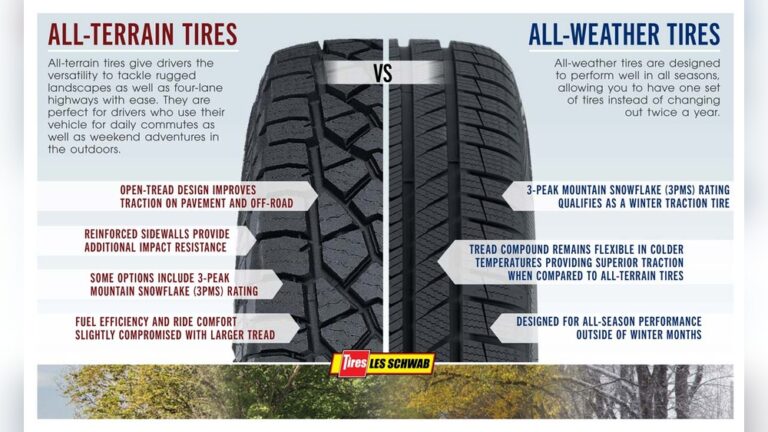
All-terrain tires for trucks and SUVs show a similar pattern. The 20-inch tires are heavier and need stronger sidewalls, driving up the price.
11. General Altimax Rt43 (all-season, Passenger Car)
- 18-inch: $130 – $155
- 20-inch: $180 – $210
Budget-friendly all-season tires still cost more in larger sizes, but the gap is smaller compared to premium brands.
12. Falken Wildpeak A/t Trail (crossover/suv)
- 18-inch: $180 – $205
- 20-inch: $245 – $295
Falken’s off-road tire for crossovers jumps $60–$90 per tire from 18 to 20 inches.
13. Kumho Crugen Hp71 (crossover/suv)
- 18-inch: $140 – $165
- 20-inch: $195 – $235
Kumho tires are known for value. Even here, the 20-inch size commands a 35% premium.
14. Dunlop Sp Sport Maxx Gt (performance)
- 18-inch: $185 – $210
- 20-inch: $240 – $290
Performance-focused drivers will notice higher prices for 20-inch tires, partly due to limited availability.
15. Cooper Discoverer At3 4s (all-terrain)
- 18-inch: $190 – $225
- 20-inch: $245 – $295
The Cooper Discoverer line illustrates the off-road price jump well.
16. Nexen Roadian Gtx (crossover/suv)
- 18-inch: $120 – $145
- 20-inch: $170 – $200
This budget tire offers one of the lowest price differences, but it’s still a 30% increase.
17. Uniroyal Tiger Paw Touring A/s (passenger Car)
- 18-inch: $110 – $135
- 20-inch: $145 – $180
Even entry-level tires are affected by the size jump.
18. Sumitomo Htr A/s P03 (ultra-high Performance)
- 18-inch: $115 – $140
- 20-inch: $160 – $200
Sumitomo’s sporty tires show a typical pattern: about 35% higher for the 20-inch size.

Credit: www.discountedwheelwarehouse.com
18 Vs 20 Inch Tire Price Comparison Table
To visualize the average price differences, see this summary:
| Tire Model | 18-inch Price (USD) | 20-inch Price (USD) | Difference (USD) |
|---|---|---|---|
| Michelin Defender LTX M/S | $225 | $290 | $65 |
| Bridgestone Turanza QuietTrack | $185 | $240 | $55 |
| Goodyear Eagle F1 Asymmetric 3 | $220 | $310 | $90 |
| Pirelli Scorpion Verde AS Plus II | $200 | $260 | $60 |
| BFGoodrich All-Terrain T/A KO2 | $280 | $355 | $75 |
This table makes it clear: 20-inch tires consistently cost more, with an average increase of $50–$100 per tire.
Key Factors That Influence Tire Prices
Price differences between 18-inch and 20-inch tires are not just about size. Several factors combine to set the final cost:
Materials And Construction
Larger tires require more rubber, steel, and other materials. They often need reinforced sidewalls or special layers to support extra weight, especially for SUVs and trucks.
Brand Reputation
Premium brands like Michelin and Bridgestone charge more, often reflecting research and longer treadwear warranties. Budget brands offer savings, but the price gap between sizes remains.
Performance Rating
Speed and load ratings add to cost. High-performance and off-road tires, especially in larger sizes, must meet tougher standards.
Market Supply And Demand
Some 18-inch sizes are common, so brands compete on price. Many 20-inch tires are specialty items, which keeps prices high.
Special Features
Tires with run-flat capability, advanced tread compounds, or extra noise reduction cost more in any size. These features are often standard in 20-inch performance tires.
Real-world Price Range Breakdown
To help you plan your budget, here’s a summary of what you can expect to pay:
| Tire Type | 18-inch Price Range | 20-inch Price Range |
|---|---|---|
| Touring/All-Season (Passenger Car) | $110 – $200 | $145 – $255 |
| Performance/Sport | $130 – $235 | $180 – $335 |
| SUV/Light Truck | $180 – $295 | $230 – $375 |
| All-Terrain/Off-Road | $190 – $295 | $245 – $375 |
If you need four tires, the total extra cost for 20-inch models can easily reach $200–$400.
Non-obvious Insights Most Buyers Miss
When comparing 18-inch vs 20-inch tire prices, many people focus only on the sticker price. But two important factors often get overlooked:
- Availability and Wait Times: 20-inch tires are sometimes out of stock or require special ordering, especially for less common brands or tread patterns. This can lead to delays and higher installation costs.
- Hidden Costs After Purchase: Larger tires are heavier, which can increase shipping costs and, in some cases, mounting and balancing fees at the tire shop. Some shops charge more to work with larger wheels.
These factors can push the real price difference even higher than expected.
Practical Example: Total Cost For A Set Of Tires
Let’s say you drive a midsize SUV and are choosing between 18-inch and 20-inch all-season tires:
- 18-inch set (4 tires): $220 each × 4 = $880
- 20-inch set (4 tires): $280 each × 4 = $1,120
Add taxes, mounting, and balancing, and the total difference can reach $300–$400. Over the lifetime of your vehicle, this adds up, especially if you need to replace tires more than once.
The Impact Of Tire Size On Other Costs
Price isn’t the only thing to consider. Larger tires may affect:
- Fuel economy: Heavier tires can lower miles per gallon.
- Ride quality: 20-inch tires often have a stiffer ride.
- Tire lifespan: In some cases, 20-inch tires wear out a bit faster due to thinner sidewalls.
These factors, while not always reflected in the price tag, influence the total cost of ownership.
When Is It Worth Paying More For 20-inch Tires?
You might wonder if the higher price of 20-inch tires is justified. Here’s when it can make sense:
- You drive a luxury SUV or sports car designed for 20-inch wheels.
- You want the best cornering grip or sporty appearance.
- You plan to upgrade your wheels for visual or handling reasons.
But if you’re focused on cost, comfort, and long tread life, 18-inch tires are often a better value.
Common Mistakes When Comparing Tire Prices
Many buyers make the following errors:
- Ignoring Installation Fees: Always check if larger tires cost more to mount and balance.
- Not Comparing Warranties: A cheaper tire with a short warranty may cost more over time.
- Overlooking Tread Depth: Some “bargain” 20-inch tires have less tread, meaning they wear out faster.
- Mixing Tire Types: Comparing an 18-inch touring tire to a 20-inch performance tire leads to confusion—always compare similar types.

Credit: www.discountedwheelwarehouse.com
How To Save Money On Larger Tires
If you must buy 20-inch tires, here are some tips:
- Shop during sales: Look for rebates and seasonal discounts.
- Choose less expensive brands: Quality mid-tier brands offer good value.
- Buy a full set: Some stores offer deals when you buy four tires.
- Check warehouse clubs: Places like Costco or Sam’s Club sometimes have lower prices and free installation.
Are 18-inch Tires Always Cheaper To Own?
Most of the time, yes. But there are rare cases where 18-inch tires are specialty items (like for rare sports cars), making them expensive. Always check fitment guides to ensure you’re comparing the right options for your vehicle.
Credit: www.yxztalk.com
Frequently Asked Questions
What Is The Average Price Difference Between 18 And 20 Inch Tires?
The average price difference is $50–$100 per tire. For a full set, expect to pay $200–$400 more for 20-inch tires. The gap is largest with performance and off-road tires.
Do 20 Inch Tires Wear Out Faster Than 18 Inch Tires?
Not always, but 20-inch tires often have thinner sidewalls and lower profiles, which can lead to slightly faster wear, especially on rough roads. Driving style and tire quality matter too.
Can I Replace 20 Inch Tires With 18 Inch Tires To Save Money?
You can, but only if your vehicle allows it. Changing wheel size affects speedometer accuracy, handling, and sometimes safety systems. Always consult your owner’s manual or a tire professional before switching sizes.
Why Are 20 Inch Tires More Expensive To Install?
Larger tires are heavier and can be harder to mount and balance. Some shops charge extra for 20-inch or larger wheels due to the need for special equipment and more labor.
Where Can I Find Reliable Tire Price Comparisons?
Use large retailers or review sites with up-to-date information. For technical details and guides, the Tire Rack website is a trusted source:
tire Rack
Making The Right Choice For Your Needs
Choosing between 18-inch and 20-inch tires comes down to more than just price. The larger size offers a sportier look and better handling, but you’ll pay more up front and possibly over time. For most drivers, 18-inch tires provide the best blend of value, comfort, and long-term cost. Consider how you drive, your vehicle’s requirements, and what you want most from your tires.
Remember, always check your car’s recommended tire sizes before buying. If you’re unsure, talk to a trusted tire professional. With the insights in this guide, you’ll be ready to make a confident, informed choice—no matter which size you pick.