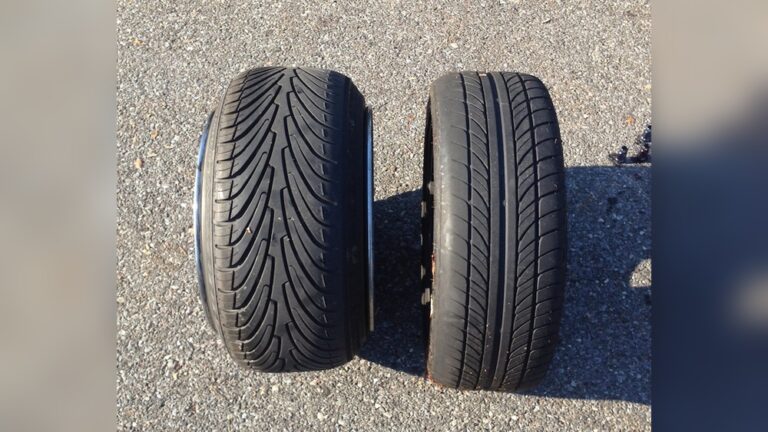
Tires are more than just round pieces of rubber on your car. They are a key part of your vehicle’s look and safety. Many car owners want their tires to look brand new and glossy. This is where tire dressing and tire shine come into play. You may have seen shiny tires at car shows or after a professional car wash, but you might not know the differences between these products, or which is best for your needs. While both aim to make tires look their best, they are not the same. Choosing the right one can affect not just the appearance of your tires, but also their lifespan and your driving safety.
This article will clear up the confusion between tire dressing and tire shine. We will dig into how each works, what they are made of, their pros and cons, and which situations suit one over the other. You will also see how to apply them, learn about product safety, and discover tips that even many car enthusiasts overlook.
By the end, you will have all the information needed to pick the right solution for your tires and keep them looking their best.
What Is Tire Dressing?
Tire dressing is a product applied to the outer surface of tires to improve their appearance and sometimes add protection. It can come in different forms, such as gels, sprays, or foams. Most tire dressings are designed to restore the rich black color of tires and give them a subtle, clean look. Some also have ingredients that protect tires from sun damage and cracking.
Tire dressings are usually based on either water or solvent. Water-based dressings are often preferred for regular use, as they are less likely to damage the tire or surrounding surfaces. Solvent-based options can last longer and offer a deeper finish but may be harsher on rubber over time.
Many people choose tire dressing when they want a natural, satin, or matte look rather than a glossy finish. This makes the tires look new but not overly shiny, which some car owners prefer, especially for luxury or classic vehicles.
The main purpose of tire dressing is to keep the rubber looking healthy, prevent fading, and sometimes provide a layer that repels dirt and water.
What Is Tire Shine?
Tire shine is also a product for tires, but its main goal is to give them a glossy, wet-look finish. It is sometimes called tire gloss or tire wet. These products are popular among car show fans and anyone who likes their tires to stand out with a high-gloss, almost mirror-like shine.
Tire shine can be found as sprays, gels, or foams, just like tire dressing. However, tire shine formulas usually have more ingredients that reflect light and create that bright, shiny appearance. Some tire shines also contain silicone, which helps the gloss last longer even in rain or after washing the car.
People often use tire shine when they want their vehicle to look extra impressive, such as for a show, a sale, or a special event. It can make even old tires look new for a short time. However, the shine can sometimes attract more dust and dirt, and not everyone likes the super-glossy look.
Some products may also sling onto your paintwork if not applied carefully.
Key Differences: Tire Dressing Vs Tire Shine
While both products are used to improve the look of tires, their main differences go beyond just the finish they provide. Here are the important ways they differ:
- Finish: Tire dressing gives a natural, matte, or satin look. Tire shine gives a glossy, wet, or mirror-like finish.
- Purpose: Dressings focus on restoring color and adding protection. Shines focus on visual impact and high gloss.
- Ingredients: Dressings are often water-based or mild. Shines usually have more silicone or other gloss-boosters.
- Longevity: Some tire shines last longer than dressings, especially in wet conditions. However, certain dressings, especially with UV blockers, can protect tires for weeks.
- Attractiveness to Dirt: Tire shine can attract more dust or become sticky. Dressings tend to dry more fully and repel dirt better.
- Application Risks: Tire shine, especially if over-applied, may cause “sling” (product flung onto paint while driving). Dressings are less likely to sling if used correctly.
- Protection: Good tire dressings often have UV protection; not all tire shines offer this benefit.
To illustrate the comparison, see the table below:
| Feature | Tire Dressing | Tire Shine |
|---|---|---|
| Typical Finish | Satin or matte | Glossy or wet-look |
| Main Purpose | Restore natural color, protect | Enhance visual shine |
| Base Ingredients | Water-based or mild solvents | High in silicone or polymers |
| UV Protection | Often included | Not always included |
| Attracts Dirt | Less likely | More likely |
| Risk of Sling | Low | Higher if over-applied |
How Tire Dressing Works
Tire dressings are designed to soak into the rubber and enhance its natural color. When you apply a tire dressing, it usually spreads easily and dries to a finish that looks clean and deep black, but not shiny. Many dressings contain UV blockers that absorb sunlight and help prevent the tire from fading or cracking over time.
Water-based dressings use a mix of water, polymers, and sometimes natural oils. These are safe for most tires and can be reapplied often without harm. They are less greasy and easy to wipe off if you make a mistake during application.
Solvent-based dressings include stronger chemicals that allow the product to stick to the tire longer, even in rain or on dirty roads. They can give a slightly glossier finish, but over time, repeated use may dry out the rubber.
A non-obvious insight: If you want the longest-lasting protection, look for a tire dressing with both UV blockers and anti-ozonant ingredients. Ozone in the air breaks down rubber, and some top dressings help slow this damage.
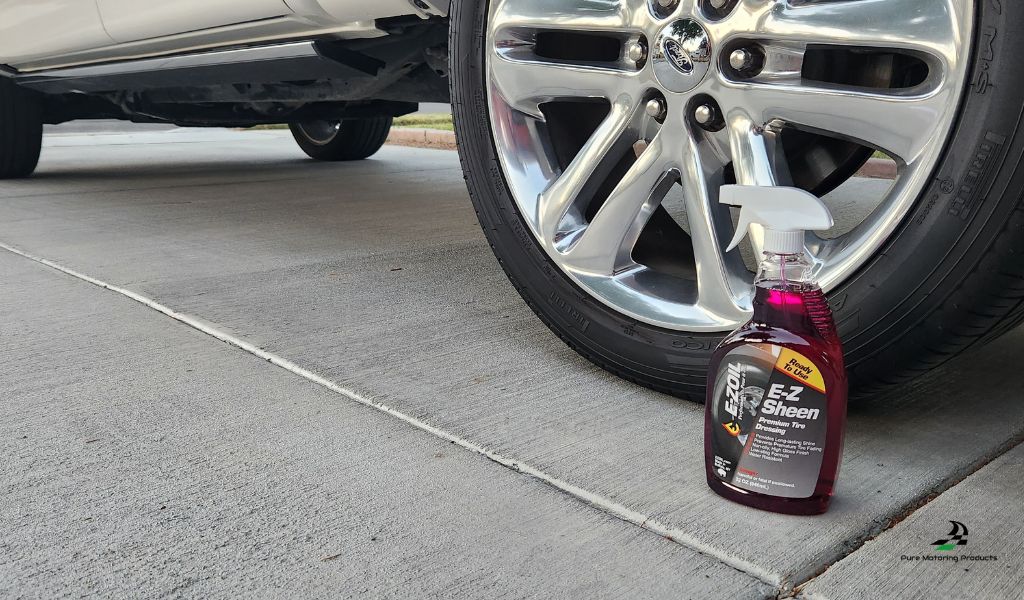
Credit: www.puremotoringproducts.com
How Tire Shine Works
Tire shine products create a glossy look by covering the tire’s surface with a light-reflecting layer. Silicone is a common ingredient because it creates a smooth, water-resistant shield that keeps the tires shiny for days or even weeks. Some tire shines are made to be extra thick, so the shine lasts through multiple washes.
Applying tire shine is often faster than tire dressing. You spray or wipe on a layer, wait a few minutes, and you instantly see a shiny, wet look. Some formulas dry quickly, while others stay a little tacky for longer.
This stickiness can make them collect dust or even splash onto your car’s paint if you drive too soon.
Many people do not realize that overusing tire shine, especially thick silicone-based types, can cause the rubber to become brittle over the long term. It is important to use these products as directed and not to apply too much at once.
Types Of Tire Dressing And Tire Shine
Both tire dressing and tire shine come in several forms, each with its own pros and cons:
Sprays
Spray products are popular for their ease of use. You simply spray them onto the tire and spread with an applicator or leave them to dry. Sprays are fast and good for people who want a quick result. However, they can be messy and may get on your wheels or paint if you are not careful.
Gels
Gel-based products are thicker and give you more control. You apply them with a sponge or cloth, working them into the tire surface. Gels usually last longer than sprays and are less likely to sling. They are a favorite for people who want a perfect, even finish.
Foams
Foam products are often sold in aerosol cans. You spray the foam onto the tire, and it expands to cover the whole surface. As the foam dries, it leaves a clean, protected look. Foams can be a great choice for quick jobs, but it is sometimes harder to get an even look compared to gels.
Wipes
Some dressings and shines come as pre-soaked wipes. These are handy for quick touch-ups and travel. Wipes are less messy but may not give as deep a finish as gels or sprays.
Here’s a quick comparison for these application types:
| Form | Ease of Use | Finish Quality | Longevity |
|---|---|---|---|
| Spray | Very easy | Good | Moderate |
| Gel | Requires applicator | Excellent | Long |
| Foam | Quick | Fair | Moderate |
| Wipes | Very easy | Moderate | Short |
Application: How To Use Tire Dressing And Tire Shine
Proper application is key for the best results and to avoid common problems like sling or uneven color. Here’s a step-by-step guide for both products:
- Clean the Tires: Always start with clean, dry tires. Dirt and old product will stop the new product from sticking. Use a dedicated tire cleaner and a stiff brush. Rinse well and let the tire dry fully.
- Choose the Right Product: Decide if you want a matte (dressing) or glossy (shine) finish. Pick a product that suits your needs.
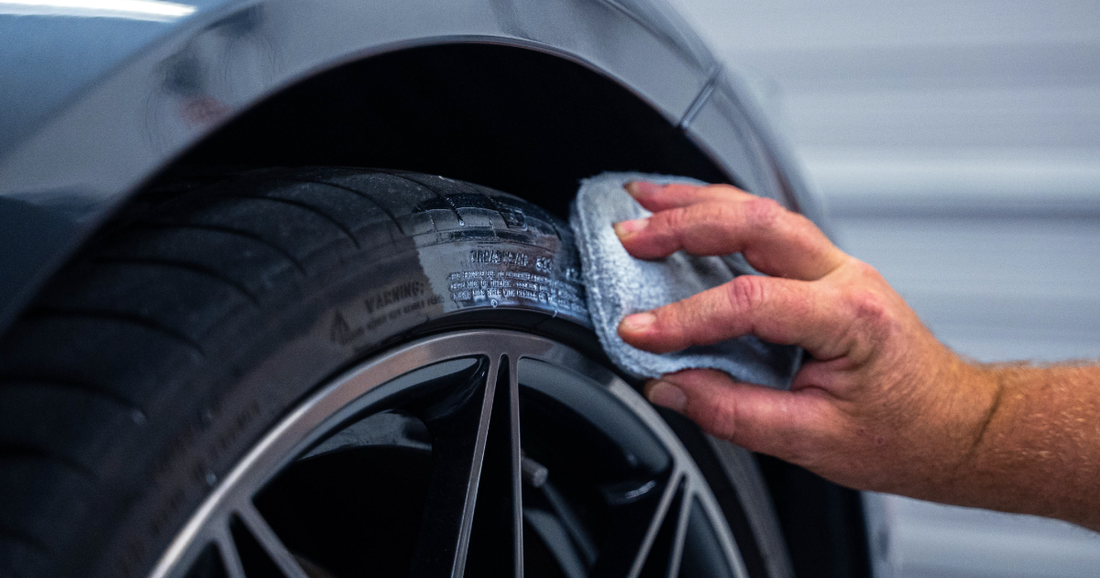
- Apply Evenly: For gels and dressings, use a foam applicator or sponge. For sprays or foams, spray carefully around the tire, avoiding the tread.
- Let It Dry: Allow the product to dry for at least 10-30 minutes. This stops it from flinging onto your car when you drive.
- Wipe Off Extra: If you see any extra product, especially with tire shine, wipe it off with a microfiber towel. This prevents sling and streaks.
- Repeat as Needed: For best protection, reapply every 2-4 weeks, or after heavy rain or washing.
One practical tip: Applying tire dressing or shine in direct sunlight can cause streaks or uneven drying. Always work in the shade or when the tires are cool.
Benefits Of Tire Dressing
Using a quality tire dressing has several advantages:
- Restores natural color: Faded or gray tires look new again.
- UV protection: Blocks sunlight that causes cracking.
- Repels water and dirt: Tires stay cleaner longer.
- Non-greasy finish: Good dressings dry to the touch and do not attract dust.
- Flexible look: Choose between matte and satin.
A less-known benefit: Some tire dressings help repel road salt, which can protect your tires in winter. Regular use can also slow down the natural aging of the rubber.

Credit: www.youtube.com
Benefits Of Tire Shine
Tire shine is about instant visual impact, but it offers other pluses as well:
- High-gloss finish: Tires look wet, dark, and eye-catching.
- Quick transformation: Even old tires look new in minutes.
- Water resistance: Many shines last through rain and car washes.
- Easy to apply: Spray and foam products save time.
Be aware: Too much shine can sometimes highlight tire imperfections, such as cracks or uneven wear. However, the right product and careful application will mask many small flaws.
Downsides And Risks
No product is perfect. Here are some things to watch out for:
Tire Dressing Risks
- Shorter lifespan: Water-based dressings may wash off in heavy rain.
- Repeated application needed: For constant protection, you need to reapply often.
- Not always glossy: If you want a shiny look, dressings may disappoint.
Tire Shine Risks
- Attracts dust: The sticky surface can collect dirt quickly.
- Sling: Over-applied product can fling onto paint or wheels, leaving marks.
- Possible rubber damage: Cheap, solvent-heavy shines can dry out tires.
- Slippery surface: If shine gets on the tire tread, it can reduce grip.
A non-obvious insight: Some tire shine sprays can also stain driveways or garage floors if oversprayed. Always apply carefully and wipe up any drips immediately.
Which Should You Choose?
The right product depends on your goals and how you use your vehicle:
- Everyday drivers: If you use your car daily and want a clean, natural look, choose a high-quality tire dressing. It keeps tires healthy and protected.
- Show cars or special events: For maximum impact, use a tire shine. Pick a good brand that does not sling or attract too much dust.
- Harsh weather areas: Water-based dressings with UV and salt protection work best.
- Off-road vehicles: Dressings are better because they do not become sticky with mud and dirt.
If you are unsure, try both on different tires and see which look you prefer. Many people use dressing for regular care and add shine before a big event.
Ingredients: What To Look For And Avoid
When shopping for tire products, check the label. Here’s what matters:
Good Ingredients
- Silicone polymers: For shine and water resistance.
- UV blockers: Protect against sun damage.
- Natural oils: Condition rubber and prevent cracking.
- Anti-ozonants: Slow down aging from ozone.
Ingredients To Avoid
- Petroleum distillates: Can harm rubber over time.
- Heavy solvents: Dry out tires and may damage paint or wheels.
- Unknown fragrances or dyes: Sometimes cause staining.
A practical tip: If a product smells very strong or leaves your hands greasy after washing, it probably has more harsh chemicals than necessary.
Myths And Common Mistakes
Even experienced car owners make mistakes with tire care. Here are some myths and errors to avoid:
- More is better: Using too much product does not give better results. It just causes sling and waste.
- Apply to wet tires: Products will not stick to wet rubber. Always dry tires first.
- All products are the same: Cheaper tire shines may last only hours and can damage tires.
- Skip cleaning: Dirt stops any product from sticking well. Clean tires always first.
- Shine means protection: A shiny finish does not always mean the tire is protected from UV or ozone.
Many beginners think that tire shine is always better than dressing. In reality, the best choice depends on your needs.
How Tire Dressing And Tire Shine Affect Tire Health
This is a question many people forget to ask. Some products do more than just change the look of your tires.
- Water-based dressings: Usually safe for regular use and help slow down aging.
- Silicone-based shines: Fine in moderation, but too much can seal the rubber, trapping moisture and causing long-term problems.
- Solvent-heavy products: Over time, these can make tires crack or fade faster.
If you want your tires to last as long as possible, pick a product from a well-known brand and use it as recommended. Avoid applying anything to the tire tread, as it can affect grip and safety.
Environmental And Safety Factors
Car care products can impact the environment if not used carefully. Here’s what to know:
- Water-based dressings are generally safer for the environment.
- Solvent-based shines may contain chemicals that are harder to break down. Always avoid letting them run off into storm drains.
- Proper disposal: Never pour leftover product onto the ground. Follow local rules for disposal.
- Skin and eye safety: Many products can irritate skin or eyes. Use gloves, and wash hands after use.
For more information on car care product safety, check guidelines from the EPA.
Cost Comparison And Value
Both tire dressing and tire shine come in a wide price range. Here is a rough breakdown of what to expect:
| Product Type | Average Price (per 16oz) | Uses Per Bottle | Average Cost Per Use |
|---|---|---|---|
| Water-based Dressing | $8 – $15 | 12-20 | $0.40 – $1.25 |
| Gel Tire Shine | $12 – $20 | 10-18 | $0.65 – $2.00 |
| Spray Tire Shine | $7 – $14 | 10-15 | $0.50 – $1.40 |
Using a dressing is usually more cost-effective for regular use. Tire shine is pricier but makes a bigger visual impact.
Credit: malcoautomotive.com
Professional Vs. Diy Tire Care
You can apply tire dressing or shine yourself, or pay for a professional detailer. Here’s how they compare:
- DIY: Costs less, lets you control the product and look. Takes 10-20 minutes for all four tires.
- Professional: More expensive ($15–$50 per visit), but results are often longer-lasting and more even. Pros use special tools and may have access to better products.
If you enjoy car care, doing it yourself is rewarding and allows you to learn what works best for your vehicle.
Frequently Asked Questions
What Is The Main Difference Between Tire Dressing And Tire Shine?
The main difference is the finish. Tire dressing gives a natural, matte, or satin look, while tire shine gives a glossy, wet-look finish. Tire dressings usually focus on protection and restoring color, while tire shines are about making the tire stand out visually.
Can Tire Dressing Or Shine Damage My Tires?
Most quality products are safe when used as directed. However, cheap or solvent-heavy products can dry out rubber and cause cracking if used too often. Always check the ingredients and follow the label instructions.
How Often Should I Apply Tire Dressing Or Tire Shine?
For most vehicles, reapply every 2-4 weeks, or after washing your car. If you drive in rain or on dirty roads, you may need to apply more often. Always clean tires before each use for best results.
Will Tire Shine Make My Tires Slippery?
If tire shine gets on the tire tread (the part that touches the road), it can become slippery and reduce grip. Always apply these products only to the sidewall and avoid the tread.
Is There A Product That Gives Both Protection And Shine?
Yes, some premium tire products combine UV protection with a glossy finish. Look for brands that offer “all-in-one” or “hybrid” tire dressings if you want both benefits.
Keeping your tires looking and performing their best is about more than just looks. By understanding the differences between tire dressing and tire shine, you can make a smart choice for your car, your safety, and your budget. With the right care, your tires will not only turn heads but also last longer and perform better.