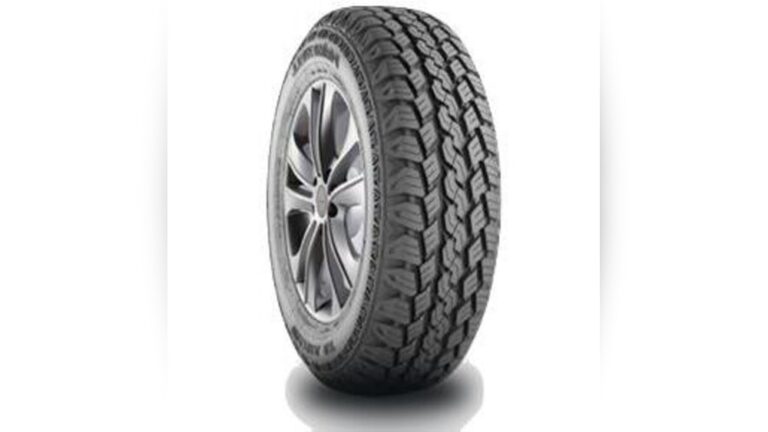
When drivers look for new tires, two big names often come up: Continental and Cooper Tires. Both brands have long histories and a reputation for making reliable, high-quality tires. But which one is better for your needs? The answer depends on many factors, from price and performance to warranty and brand trust. In this guide, you’ll get a deep, practical look at the strengths and weaknesses of each brand. You’ll learn what really matters when choosing between Continental and Cooper, and discover insights that most beginners miss.
Brand Backgrounds
Before comparing features, it helps to know the story behind each brand. This gives context for why their products differ and how they approach tire design.
Continental
Continental was founded in Germany in 1871. It’s one of the world’s largest tire manufacturers, supplying original equipment (OE) tires to brands like BMW, Mercedes-Benz, and Audi. Continental is known for its focus on safety technology and innovation. They were one of the first to introduce run-flat tires and tire pressure monitoring systems. Today, Continental produces a wide range of tires for cars, trucks, SUVs, and specialty vehicles.
Cooper Tires
Cooper Tires started in the United States in 1914. While not as big globally as Continental, Cooper is well-known in North America, especially among drivers who value affordability and practical performance. Cooper focuses on passenger, light truck, and SUV tires. The brand has a loyal following among drivers who want solid value without paying a premium for a European name.
Product Range
When comparing Continental and Cooper, looking at their product lines helps you see which brand might fit your vehicle best.
Continental’s Lineup
Continental offers a wide selection:
- Ultra-high performance: ExtremeContact series
- Touring and all-season: TrueContact, PureContact
- Winter tires: VikingContact, WinterContact
- SUV/Light truck: CrossContact, TerrainContact
- Run-flat tires
- OE-specific tires for luxury vehicles
Their range covers almost every need, from sporty sedans to family SUVs.
Cooper’s Lineup
Cooper’s line is simpler but still covers key categories:
- All-season passenger: CS5 Grand Touring, Evolution Tour
- Performance: Zeon RS3-G1, Cobra Radial G/T
- All-terrain and off-road: Discoverer AT3, Discoverer STT Pro
- Winter: Evolution Winter, Discoverer True North
- Light truck/SUV: Discoverer H/T, Endeavor Plus
Cooper puts extra focus on SUV and pickup truck tires, reflecting its American roots.
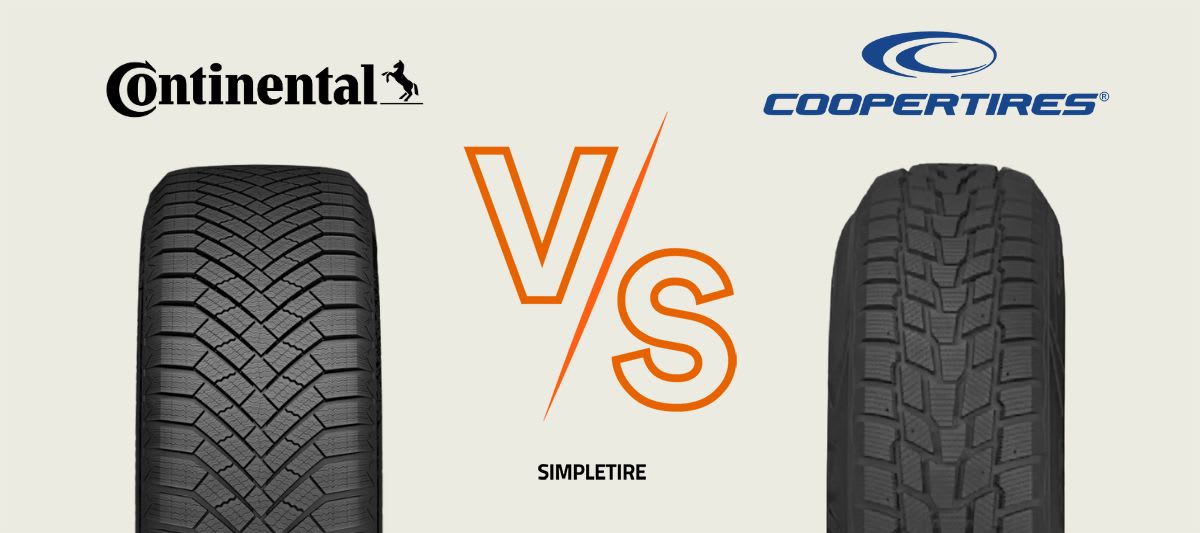
Credit: simpletire.com
Performance Comparison
Performance is often the biggest factor when buying tires. Let’s break down how Continental and Cooper compare in real-world conditions.
Dry Road Grip
Continental tires are often praised for their excellent handling on dry roads. Their advanced rubber compounds and tread designs deliver precise steering and strong grip, especially in their ExtremeContact and PremiumContact lines. This is why many German sports cars use Continental as original equipment.
Cooper tires provide reliable dry grip, but they typically focus more on comfort and tread life than on pushing the limits of performance. For most daily drivers, Cooper’s grip is more than enough, but aggressive drivers may notice a slight difference, especially in extreme maneuvers.
Wet Weather Performance
Continental has invested heavily in wet traction. Their tires often feature special silica blends and water-evacuating tread patterns. Tests from independent sources regularly show Continental among the best for wet braking and cornering. For example, the Continental TrueContact Tour is one of the highest-rated all-season tires for rain.
Cooper’s wet performance has improved in recent years, especially with products like the Evolution Tour and CS5 Ultra Touring. However, user reviews and tests usually rate Cooper just a step below Continental in heavy rain or sudden stops.
Winter And Snow Capability
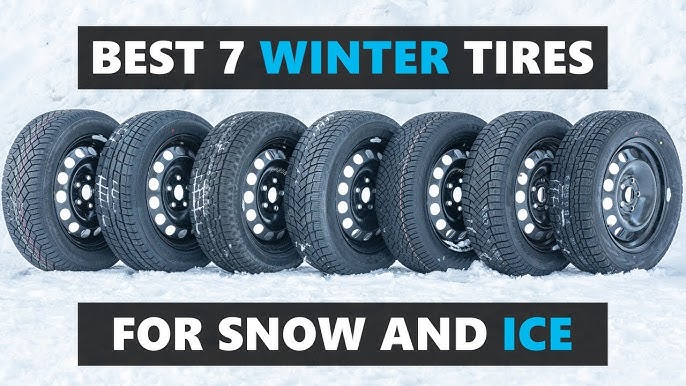
Continental’s winter tires, like the VikingContact 7, are highly rated for ice and snow. Their all-season tires also perform above average in cold, wet conditions thanks to flexible rubber and sipes (tiny cuts in the tread).
Cooper’s winter tires are respected, too. The Discoverer True North and Evolution Winter models offer strong snow traction. Cooper’s all-terrain tires, such as the Discoverer AT3, are popular with truck owners who need year-round capability, including light snow.
Off-road Performance
Cooper stands out for off-road and all-terrain tires. The Discoverer AT3 and STT Pro are favorites among off-road enthusiasts, offering tough sidewalls and aggressive tread. These tires are often more affordable than Continental’s comparable offerings.
Continental makes off-road tires, but their focus is more on road comfort and fuel efficiency. Their all-terrain models are good for light trails and gravel, but serious off-roaders usually lean toward Cooper.
Tread Life And Durability
Cooper is known for long tread life and offers warranties up to 80,000 miles on certain models (like the CS5 Grand Touring). Their tires are built for American roads, which means a focus on pothole resistance and durability.
Continental also offers good tread life, with many models warrantied for 70,000 miles or more. However, Continental often balances tread life with performance; sometimes, high-grip tires wear out a bit faster.
Road Noise And Comfort
Continental puts a lot of effort into quiet, smooth rides. Their tires use noise-reducing technology, such as foam layers inside the tire or optimized tread patterns, to reduce cabin noise.
Cooper tires are comfortable, too, especially in their touring lines. However, some of their all-terrain and truck tires are a bit louder, due to the more aggressive tread.
Technology And Innovation
If you care about having the latest features, the brands differ in their approach.
Continental
- Run-flat technology: Lets you drive on a flat tire for a short distance.
- ContiSeal: Automatically seals small punctures in the tread.
- EcoPlus+ technology: Reduces rolling resistance, saving fuel.
- Advanced silica compounds: Improve grip in wet and cold conditions.
- Tire pressure monitoring system (TPMS) integration
These innovations come from Continental’s close work with car makers and their big research budget.
Cooper
- Wear Square®: A visual indicator on the tread showing how much life is left.
- Advanced all-terrain designs: Especially in the Discoverer line.
- Armor Tek3® construction: For extra sidewall strength in off-road tires.
- Snow Groove Technology: Improves grip in snow and slush.
Cooper’s innovations are practical, focused on durability and ease of use rather than high-end electronics.
Price And Value
Price is a major reason people compare Continental and Cooper.
- Continental tires are usually more expensive, especially for performance and run-flat models. Prices reflect their technology and OE reputation.
- Cooper tires are often 10-20% less expensive than similar Continentals. This makes them popular for budget-conscious buyers who want solid performance without premium costs.
However, not all Cooper tires are cheap. Their top-end Discoverer models can cost as much as mid-range Continentals.
Warranty And Customer Support
Warranties tell you how much the company believes in its products.
- Continental offers treadwear warranties from 40,000 to 80,000 miles, depending on the model. They also provide a 60-day satisfaction trial and roadside assistance for some tires.
- Cooper is known for strong warranties, often matching or beating Continental in certain categories. Some Discoverer and CS5 models have up to 80,000-mile treadwear coverage.
Pro tip: Always check the fine print. Warranties can vary by tire size, speed rating, and region.
Credit: www.youtube.com
User Reviews And Ratings
Real-world feedback is often the best guide. Here’s what drivers say:
- Continental tires get high marks for handling, wet grip, and comfort. Many users notice better steering response and a quieter ride. Some users mention faster wear on high-performance models.
- Cooper tires are praised for value, tread life, and off-road ability. They get strong reviews from truck owners and people in snowy areas. Some users say Cooper’s wet grip is good but not as sharp as Continental’s, especially in emergency stops.
Surprisingly, some Continental models are made in the USA, while some Cooper tires are made in China. Always check the sidewall if country of origin matters to you.
Head-to-head Comparison
To make things clearer, here’s a direct comparison of a popular all-season model from each brand.
| Feature | Continental TrueContact Tour | Cooper CS5 Grand Touring |
|---|---|---|
| Price (typical) | $110-140 | $95-120 |
| Treadwear Warranty | 80,000 miles | 80,000 miles |
| Wet Grip | Excellent | Very Good |
| Snow Traction | Good | Good |
| Road Noise | Low | Low |
| Comfort | High | High |
| Country of Origin | USA or Europe | USA or China |
Strengths And Weaknesses
Here’s a summary to help you decide:
Continental: Where It Shines
- Best for high-performance cars: If you drive a sports car or value sharp handling, Continental is the stronger choice.
- Superior wet weather safety: Their tires often stop shorter in rain, which matters for family safety.
- Quiet and comfortable: Great for long highway trips or luxury vehicles.
- Innovative features: Like run-flat and self-sealing tires.
Continental: What To Watch Out For
- Higher price: You pay more for the technology and reputation.
- Performance tires wear faster: Sporty models may not last as long as all-season types.
Cooper: Where It Shines
- Best for trucks and SUVs: The Discoverer line is popular with off-roaders and pickup owners.
- Great value: You get reliable performance at a lower price.
- Long tread life: Many models last as long as premium brands.
- Simple, practical features: Like visual treadwear indicators.
Cooper: What To Watch Out For
- Not the best for extreme sports cars: If you push the limits, Cooper may not match Continental’s grip.
- Wet grip slightly lower: Especially in sudden stops on wet roads.
- Some models made overseas: If “made in USA” is important, check the tire label.
Real-world Use Cases
To make the comparison more practical, let’s look at real-world scenarios.
Daily Commuter
If you drive a sedan for work and want a quiet, comfortable ride, both brands have good options. Continental’s TrueContact and Cooper’s CS5 Grand Touring are both solid, with Continental having a slight edge in wet weather.
Family Suv
For family vehicles, safety and comfort are key. The Continental CrossContact series gives excellent road manners and wet grip. Cooper’s Endeavor Plus or Discoverer SRX are great for value and long tread life.
Pickup/off-road
Truck owners and off-roaders often choose Cooper Discoverer AT3 or STT Pro. These tires handle rough terrain and last long. Continental’s TerrainContact is quieter on the highway, but not as tough in mud or rocks.
Winter Driving
In snowy climates, both brands offer good winter tires. Continental’s VikingContact 7 is a top performer on ice. Cooper’s Evolution Winter is strong in snow and slush, and often cheaper.
How To Choose: Key Factors
Beginners often focus only on price or treadwear ratings. There are other important things to consider:
- Driving style: Are you a fast driver? Choose Continental for more grip. For regular speeds, Cooper is fine.
- Vehicle type: Sports cars and European models often work better with Continental. Trucks and American cars are a good fit for Cooper.
- Local climate: If you live in a rainy or snowy area, focus on wet and winter ratings.
- Budget: If price matters most, start with Cooper. If you want premium features, look at Continental.
Two Insights Beginners Miss
- Tire Size Availability: Some Cooper models are not available in the latest or largest sizes, especially for luxury SUVs and sports cars. Continental offers more fitments for new vehicles.
- OE Tire Tuning: Continental often tunes tires specifically for car makers. If your vehicle came with Continental as original equipment, replacing with the same brand can keep the original feel and performance.
Comparison Table: All-terrain Tires
For truck and SUV owners, here’s a quick look at popular all-terrain models.
| Model | Cooper Discoverer AT3 4S | Continental TerrainContact A/T |
|---|---|---|
| Price (typical) | $150-180 | $180-210 |
| Off-Road Grip | Excellent | Good |
| Highway Noise | Medium | Low |
| Treadwear Warranty | 65,000 miles | 60,000 miles |
| Snow Performance | Very Good | Good |
Environmental Impact
Both brands are working on eco-friendly manufacturing, but Continental has a bigger focus on sustainable rubber and energy-saving designs. Their EcoContact tires are made to reduce rolling resistance, saving fuel. Cooper is catching up, but Continental leads in green technology.
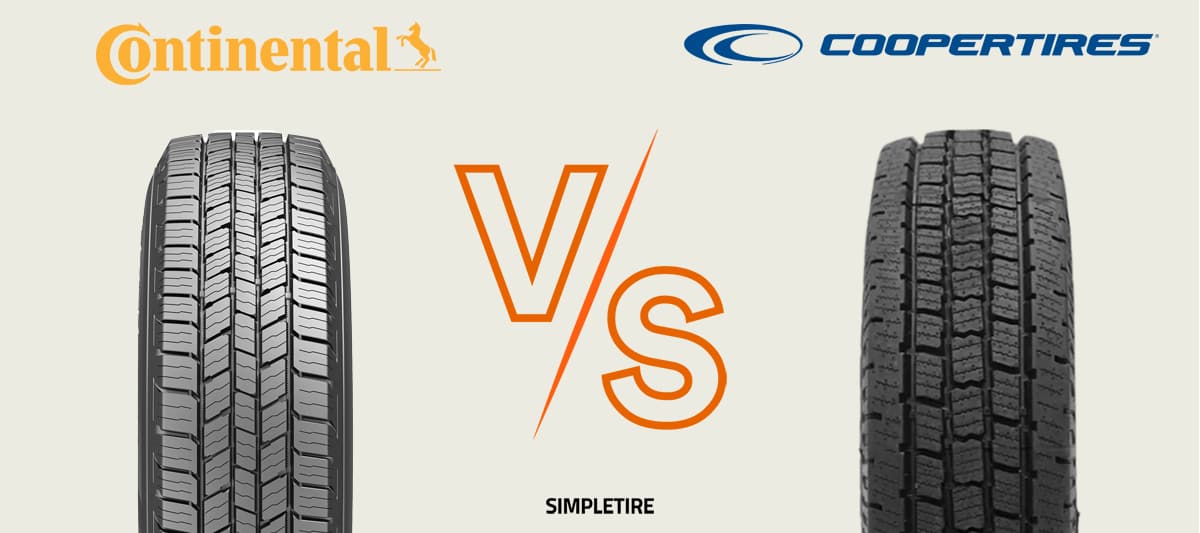
Credit: simpletire.com
Brand Trust And Awards
- Continental is regularly ranked in the top 3 for original equipment and replacement tires by major magazines and car makers.
- Cooper has won awards for customer satisfaction, especially for value and off-road lines.
For more on tire testing and awards, see this Consumer Reports Tire Guide.
When Each Brand Makes Sense
- Choose Continental if: You want the best wet grip, quiet ride, or have a high-performance car.
- Choose Cooper if: You want great value, drive a pickup or SUV, or need tough all-terrain tires.
Frequently Asked Questions
Is Continental More Expensive Than Cooper?
Yes, Continental tires are usually more expensive due to their advanced technology and reputation. However, the price difference can be small for some all-season models. Cooper offers more affordable options, especially for trucks and SUVs.
Which Brand Lasts Longer, Continental Or Cooper?
Both brands offer long tread life and strong warranties. Cooper is often praised for value and durability, especially in their touring and all-terrain lines. High-performance Continental tires may wear out a bit faster but provide better grip.
Are Cooper Tires Good For Snow And Ice?
Yes, Cooper makes several high-quality winter tires like the Evolution Winter and Discoverer True North. Their all-terrain tires also handle light snow well. For icy roads, Continental’s VikingContact series offers top-rated grip.
Do Continental Or Cooper Tires Run Quieter?
Continental tires are designed for low road noise, especially in their touring and premium lines. Cooper touring tires are also quiet, but some aggressive all-terrain models can be a bit louder due to their tread design.
Which Brand Is Better For Off-road Driving?
Cooper is often the first choice for off-road and all-terrain tires. Their Discoverer series is famous among truck owners and off-roaders. Continental’s off-road tires focus more on comfort and fuel savings.
Choosing between Continental and Cooper comes down to your driving needs, vehicle type, and budget. Both brands offer great tires. If you want high-end features and top wet grip, Continental is hard to beat. For everyday value, long life, and off-road toughness, Cooper is a smart pick.
The best tire is the one that fits your needs and gives you confidence on the road.