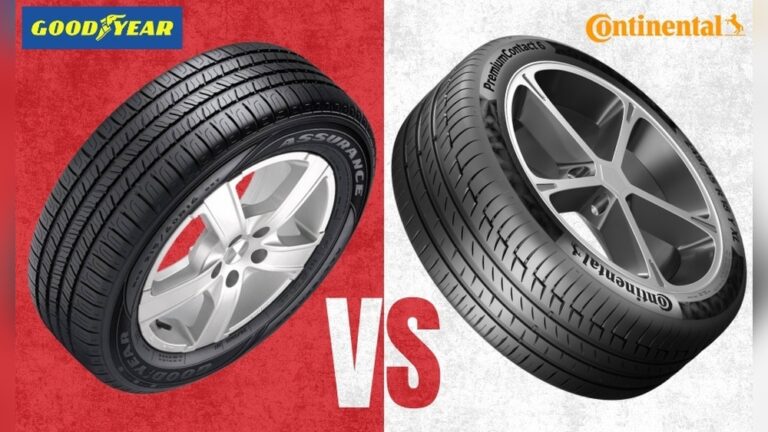
When it comes to choosing tires for your vehicle, two names often come up: Sumitomo Tires and Michelin. Both brands have a strong reputation, but they serve different types of drivers and needs. Picking the right tire can affect your safety, comfort, and even your wallet. Many people think all tires are similar, but small differences can have a big impact. In this article, you’ll discover how Sumitomo and Michelin compare in real-world situations. You’ll get clear, practical advice to help you make the best decision for your car, your driving style, and your budget.
Brand Background And Reputation
Understanding the history and reputation of a tire brand helps you trust your purchase. Sumitomo Tires is part of the Sumitomo Group, one of Japan’s oldest companies. They started making tires in 1909. Today, Sumitomo offers reliable, affordable tires for cars, trucks, and SUVs. They focus on value, durability, and technology.
Michelin is a French brand founded in 1889. Michelin is known for innovation and quality. Their tires are used by luxury car makers and in motorsports like Formula 1 and Le Mans. Michelin often leads in tire tests, showing their commitment to safety, performance, and longevity.
Both brands have strong global presence, but Michelin is seen as more “premium” while Sumitomo targets value-conscious buyers. This difference is important when you compare their products.
Product Range And Variety
Each brand offers a wide range of tires, but their focus is different. Sumitomo has fewer models, but covers the essential types: all-season, performance, touring, and light truck tires. Michelin offers a much broader selection, including high-end performance, eco-friendly, and specialty tires.
Here’s a look at some popular models:
| Brand | Popular Models | Type | Target Vehicles |
|---|---|---|---|
| Sumitomo | HTR A/S P02, HTR Z5, Encounter AT | All-season, performance, all-terrain | Sedans, sports cars, SUVs, trucks |
| Michelin | Defender T+H, Pilot Sport 4, CrossClimate2 | All-season, ultra-high performance, touring | Luxury cars, family sedans, sports cars, SUVs |
Sumitomo tires are easy to find for common vehicles. Michelin caters to niche markets too—like electric vehicles, off-road, and run-flat tires.
Price Comparison
For many buyers, price is a deciding factor. Sumitomo tires are known for being budget-friendly. Michelin tires cost more, but offer extra features and longer life.
Here’s a simple price comparison for similar models:
| Model | Size | Average Price (per tire) | Warranty |
|---|---|---|---|
| Sumitomo HTR A/S P02 | 215/60R16 | $95 | 65,000 miles |
| Michelin Defender T+H | 215/60R16 | $140 | 80,000 miles |
As you can see, Sumitomo is often 30–40% cheaper for the same size. Michelin’s higher price is linked to longer tread life and better performance.
Performance In Different Conditions
Tire performance is more than just tread pattern or rubber quality. It’s about how the tire responds in real-world situations—wet roads, dry highways, snow, and even off-road.
Wet Grip
Michelin tires, especially the CrossClimate2 and Pilot Sport 4, are known for excellent wet grip. The tread design channels water away, reducing hydroplaning. Sumitomo tires provide good wet performance, but in independent tests, Michelin consistently stops shorter.
Dry Handling
Both brands offer good dry handling. Sumitomo performance tires (like HTR Z5) have a stiff structure for cornering. Michelin’s high-end models, such as Pilot Sport 4, are made for sporty driving and offer sharper steering response.
Snow And Ice
Michelin’s all-weather tires, like CrossClimate2, perform very well in light snow. They’re certified for winter use. Sumitomo’s all-season tires do okay in mild winter, but for heavy snow, Michelin is the safer choice.
Comfort And Noise
Michelin tires are engineered for a smooth, quiet ride. Their touring models use advanced rubber compounds to reduce road noise. Sumitomo tires are comfortable, but may produce more noise at high speed, especially as they age.
Off-road And All-terrain
For trucks and SUVs, Sumitomo’s Encounter AT is popular for light off-roading. Michelin offers the LTX A/T2, which handles rough terrain but costs more. If you need serious off-road performance, neither brand is the leader—brands like BFGoodrich or Goodyear specialize in this area.
Durability And Tread Life
Durability is important for saving money and avoiding frequent tire changes. Michelin tires are famous for long tread life. Their Defender T+H model, for example, has an 80,000-mile warranty—one of the best in the industry.
Sumitomo tires usually offer 50,000–65,000 miles warranty. They use quality rubber, but not the same advanced compounds as Michelin. In real-world tests, Michelin tires often last 10–20% longer than Sumitomo.
But it’s not just about warranty. How you drive, road conditions, and maintenance matter. A common mistake is ignoring tire rotation; this shortens tire life for any brand.
Safety Features
Safety is a top concern. Michelin invests heavily in tire safety—testing their products in extreme conditions. Their tires often have extra layers for puncture resistance and use silica compounds for better grip. Michelin’s run-flat options let you drive safely after a puncture.
Sumitomo tires meet safety standards and include features like reinforced sidewalls. However, they don’t offer as many advanced safety technologies as Michelin.
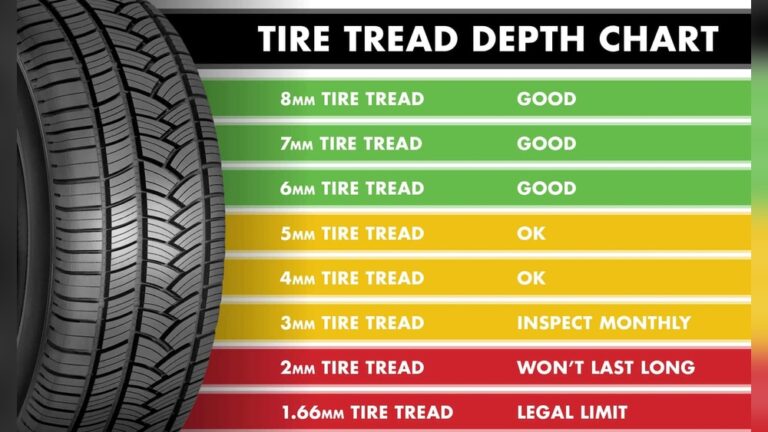
A non-obvious insight: Some buyers focus only on tread depth, but tire age also affects safety. Even if a Sumitomo tire has deep tread after 5 years, the rubber may harden, reducing grip.
Fuel Efficiency
Tires can affect your fuel economy. Michelin’s Energy Saver and Defender lines are designed to reduce rolling resistance, helping you save gas. Independent tests show Michelin tires can improve fuel efficiency by up to 8% compared to average brands.
Sumitomo tires are not specifically marketed for fuel saving, but their touring models are efficient enough for daily use. If saving money on gas is a priority, Michelin is the better choice.
Technology And Innovation
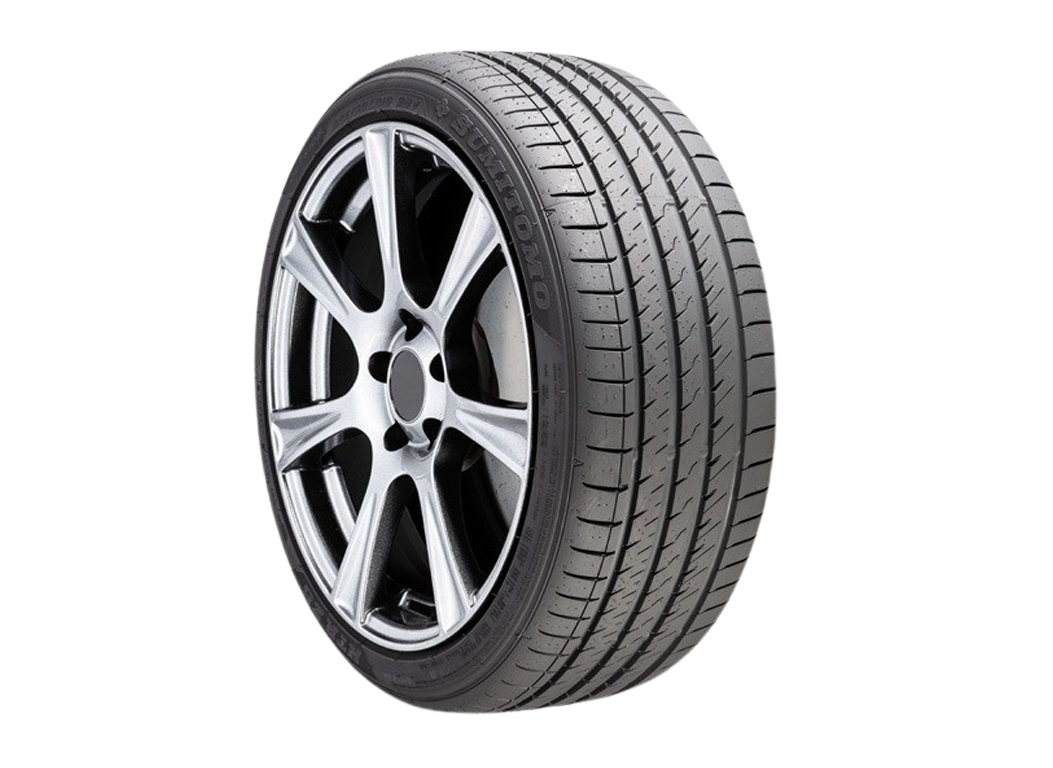
Michelin is a pioneer in tire technology. They invented the radial tire, which changed the industry. Their EverGrip tread technology keeps performance strong even as the tire wears down. Michelin also invests in eco-friendly solutions, like tires made partly from recycled materials.
Sumitomo uses modern manufacturing and invests in R&D, but doesn’t match Michelin’s level of innovation. One practical tip: Michelin’s CrossClimate2 uses a unique V-shaped tread for all-weather grip, which is rare among competitors.
Another insight: Many drivers don’t realize that tire technology affects not just grip, but also braking, steering, and even emergency handling.
Credit: www.consumerreports.org
Warranty And Customer Service
Michelin has a strong reputation for customer support. Their warranties cover defects, tread wear, and some models offer roadside assistance. Sumitomo’s warranty is solid, but more basic.
One common mistake is not registering your tires for warranty. If you buy Sumitomo or Michelin tires, register them online for full protection.
If you have a problem, Michelin’s global network makes it easier to get support or replacements. Sumitomo is improving its service, but still relies on regional distributors.
User Reviews And Real-world Feedback
Reviews from real drivers show the strengths and weaknesses of each brand. Michelin tires are praised for:
- Long life
- Quiet, comfortable ride
- Excellent wet and dry performance
Sumitomo tires get good marks for:
- Value for money
- Reliable everyday performance
- Decent tread life for the price
However, some Sumitomo users note faster wear if driven aggressively. Michelin users sometimes complain about high prices, but rarely about performance.
Many drivers miss this: The same tire can perform differently depending on your car. Heavy SUVs need stronger tires than small sedans. Always check your vehicle’s requirements.

Credit: www.discountedwheelwarehouse.com
Environmental Impact
Michelin is a leader in sustainability. They aim to use 100% sustainable materials by 2050 and have reduced their factory emissions. Michelin tires often last longer, reducing waste.
Sumitomo is working on eco-friendly processes, but not at Michelin’s scale. If environmental impact matters to you, Michelin is ahead.
Did you know? Tire recycling is growing, and both brands support recycling programs. But Michelin invests more in new eco technologies.
Comparison Summary
You’ve learned how Sumitomo and Michelin compare across many factors. Here’s a summary:
| Feature | Sumitomo | Michelin |
|---|---|---|
| Price | Lower | Higher |
| Performance | Good | Excellent |
| Tread Life | 50,000–65,000 miles | 60,000–80,000 miles |
| Comfort | Average–Good | Excellent |
| Safety Features | Basic | Advanced |
| Environmental Impact | Improving | Leading |

Credit: car-travels.com
Choosing The Right Tire: Practical Advice
Picking between Sumitomo and Michelin depends on your needs. Here are steps to help:
- Budget: If price is your main concern, Sumitomo offers strong value.
- Driving Style: For sporty driving or luxury cars, Michelin’s performance models are best.
- Weather Conditions: If you face heavy rain or snow, Michelin’s all-weather tires are safer.
- Mileage Needs: For high-mileage drivers, Michelin’s longer warranty is worth the extra cost.
- Comfort: If you want a quiet, smooth ride, Michelin is the leader.
- Daily Use: For normal city or highway driving, Sumitomo works well and saves money.
- Eco-Friendliness: Choose Michelin if sustainability matters.
- Service Network: Michelin’s larger support network can be helpful in emergencies.
A non-obvious tip: Don’t buy tires based only on brand. Match the tire model to your car and driving habits. Reading the sidewall for ratings (like speed, load, and traction) is important but often ignored.
Common Mistakes In Tire Buying
Many buyers make errors that can cost money or reduce safety.
- Ignoring tire size: Always check your car’s manual for the exact size.
- Not checking speed rating: Using the wrong speed rating can reduce safety.
- Buying cheap tires for heavy vehicles: This can lead to faster wear or blowouts.
- Skipping tire rotation: This shortens tread life for both brands.
- Missing out on rebates: Michelin often offers rebates; Sumitomo less so.
Where To Buy And Find More Information
Both brands are sold at tire shops, online stores, and dealerships. Michelin is easier to find worldwide. Sumitomo is popular in North America and Asia. For detailed specs, visit the official brand sites or trusted review platforms.
You can find tire safety and performance data at Tire Rack, a respected site for tire reviews and tests.
Frequently Asked Questions
How Long Do Sumitomo Tires Last Compared To Michelin?
Sumitomo tires usually last 50,000–65,000 miles. Michelin tires often reach 60,000–80,000 miles, depending on the model and driving style. Michelin’s longer tread life is linked to advanced materials and technology.
Are Sumitomo Tires Safe For Winter Driving?
Sumitomo all-season tires perform well in mild winter conditions. For heavy snow or ice, Michelin’s CrossClimate2 or dedicated winter models are safer and have better grip.
Is Michelin Worth The Higher Price?
Michelin offers better performance, longer life, and more comfort. If you drive a lot or value safety and quiet rides, the higher price is usually worth it. If you drive less or mostly in good weather, Sumitomo offers solid value.
Do Sumitomo And Michelin Offer Run-flat Tires?
Michelin has several run-flat models for sports and luxury cars. Sumitomo does not focus on run-flat technology. If you want run-flat tires, Michelin is the better option.
Which Brand Is Better For Fuel Economy?
Michelin’s Energy Saver and Defender lines are designed for low rolling resistance, improving fuel economy by up to 8%. Sumitomo tires are efficient but don’t have specific fuel-saving models.
Choosing tires is not just about price or brand. It’s about matching the right tire to your needs and driving habits. Both Sumitomo and Michelin have strengths, but Michelin leads in performance, safety, and innovation. Sumitomo is a smart choice for budget-conscious buyers who want reliable, everyday tires.
Remember, regular tire maintenance, correct sizing, and choosing the right model will help you get the most from your purchase. Your tires are the only thing connecting your car to the road—choose wisely for a safer, smoother drive.