If you drive a Hyundai, you want your car to stay safe, smooth, and reliable for as long as possible. One often-overlooked part of car care is tire rotation. Many Hyundai owners ask, “How often should I get my Hyundai tires rotated?” The answer isn’t the same for everyone. How you drive, the roads you use, and your Hyundai model all make a difference. But understanding tire rotation is key for your safety, your wallet, and your driving experience.
Let’s explore how often you should rotate your Hyundai tires, why it matters, what happens if you skip it, and how to get it done right.
Why Tire Rotation Matters For Your Hyundai
Tire rotation means moving tires from one position to another—like front to back or side to side. Hyundai recommends it for a good reason. Here’s why you can’t ignore this basic maintenance:
- Even tire wear: Front and rear tires wear differently. On front-wheel drive cars (like most Hyundais), the front tires handle more braking and turning, so they wear faster.
- Longer tire life: Rotating tires helps each tire wear at the same rate. This means you don’t have to buy new tires as often.
- Better grip and safety: Evenly worn tires give you more control, especially in rain or snow.
- Improved fuel economy: Tires with even tread roll more smoothly, so your engine doesn’t have to work as hard.
What many Hyundai drivers miss: skipping tire rotation can also void parts of your tire warranty. Manufacturers often require proof of regular rotation to honor claims.
How Often Should You Rotate Hyundai Tires?
Most Hyundai experts and the official Hyundai owner’s manuals recommend a tire rotation every 5,000 to 7,500 miles. But this is a general guideline.
Check your Hyundai’s manual for the exact interval. For quick reference, here’s a comparison for some popular Hyundai models:
| Hyundai Model | Recommended Rotation Interval | Drivetrain Type |
|---|---|---|
| Elantra | Every 7,500 miles | Front-Wheel Drive (FWD) |
| Tucson | Every 7,500 miles | FWD or All-Wheel Drive (AWD) |
| Santa Fe | Every 7,500 miles | AWD or FWD |
| Sonata | Every 5,000 to 7,500 miles | FWD |
| Kona | Every 7,500 miles | AWD or FWD |
If you drive in severe conditions (like lots of stop-and-go, hot weather, rough roads, or towing), rotate more often—every 5,000 miles or even sooner.
Factors That Affect Tire Rotation Frequency
Not every Hyundai driver should follow the same schedule. Here are some key factors that might mean you need to rotate your tires more often:
1. Driving Habits
If you accelerate hard, brake suddenly, or corner aggressively, your tires will wear faster and unevenly.
2. Road Conditions
Rough, rocky, or potholed roads are tough on tires. If you drive in these conditions, rotate more often.
3. Tire Type
High-performance or soft-compound tires may wear out faster than regular all-season tires.
- Drivetrain
- Front-Wheel Drive (FWD): Front tires wear fastest.
- Rear-Wheel Drive (RWD): Rear tires wear more.
- All-Wheel Drive (AWD): All tires must be kept as even as possible to avoid damage.
- Load and weight
Carrying heavy loads, towing, or carrying lots of passengers puts extra stress on the tires.
6. Alignment And Suspension
Poor alignment or worn suspension parts can cause uneven tire wear, making frequent rotation more important.
Insider Tip: If you notice your steering wheel shaking, or your Hyundai pulling to one side, get your tires checked. These can be signs of uneven wear.
How Tire Rotation Is Done
Tire rotation is a simple process, but it should be done the right way. The pattern depends on your car’s drivetrain and tire type.
Common Rotation Patterns
| Pattern | Used For | How It Works |
|---|---|---|
| Forward Cross | FWD vehicles | Front tires move straight back; rear tires cross to the front |
| Rearward Cross | RWD & AWD | Rear tires move straight to the front; front tires cross to the rear |
| X-Pattern | Most cars | All tires move diagonally |
| Side-to-Side | Directional tires | Left and right tires are swapped, not front to rear |
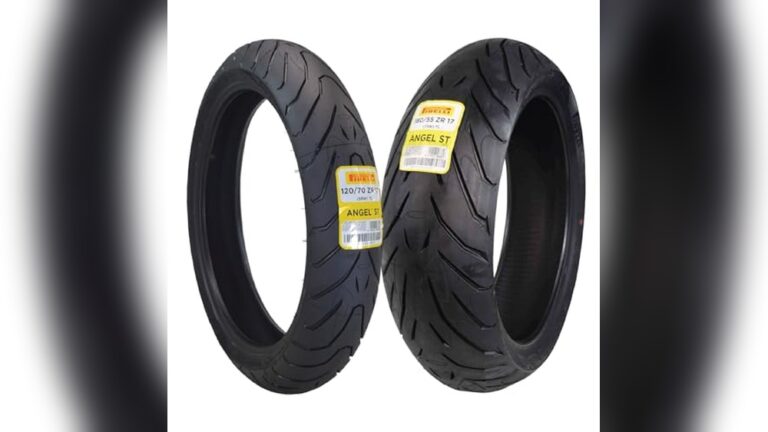
Directional tires (with a tread pattern that only works in one direction) must only be swapped side to side, not front to back.
Staggered wheels (wider wheels in the rear) cannot be swapped front to back. Ask your Hyundai service tech which pattern is best for your model.
What Happens If You Don’t Rotate Your Tires?
It’s easy to forget tire rotation. But the long-term effects can be costly and even dangerous:
- Uneven tread wear: Some tires will wear bald while others look almost new.
- Shorter tire life: You’ll need to buy new tires much more often.
- Poor handling: Your car may feel unstable, especially in wet or icy weather.
- Less braking power: Worn tires grip the road poorly, especially in emergencies.
- More noise and vibration: Uneven tires often cause annoying sounds and shakes.
- Risk of tire failure: Severely worn tires are more likely to blow out at high speeds.
Real-world example: A Hyundai Elantra owner who rotated their tires every 7,500 miles got 50,000 miles from a set. Another owner who skipped rotations replaced the front tires at just 25,000 miles—paying double for tires in the same time.
Signs Your Hyundai Needs A Tire Rotation
Even if you’re not counting miles, there are clear signs your Hyundai may need a tire rotation:
- Tread depth is lower on some tires than others.
- You hear a humming or thumping sound that changes with speed.
- Your steering wheel vibrates, especially at highway speeds.
- The car pulls to the left or right.
- You see unusual wear patterns (like bald spots or feathering).
Non-obvious insight: Sometimes, tire wear is hard to spot without taking the wheels off. Ask for a tire check at every oil change—it often costs little or nothing.
How To Keep Track Of Tire Rotations
Many drivers forget when their last rotation was done. Here are some practical ways to keep on schedule:
- Set a reminder on your phone for every 5,000 to 7,500 miles.
- Combine with oil changes. If you change your oil every 5,000 miles, do the rotation at the same visit.
- Record in your owner’s manual or a car maintenance app.
- Ask your shop for a sticker or reminder card.
Tip: Always ask the technician to mark which tires were moved where. This helps you spot any unusual wear later.
Can You Rotate Hyundai Tires Yourself?
If you have the right tools and some experience, you can rotate your Hyundai’s tires at home. You’ll need:
- A sturdy jack and jack stands (never use only the car’s spare jack)
- A lug wrench or impact wrench
- A torque wrench to tighten the lug nuts to the correct spec
Safety warning: Always work on a flat, solid surface and never go under a car supported only by a jack.
However, most people find it easier and safer to have the job done at a shop. Professional tire rotation is quick (about 30 minutes), usually costs $20–$50, and often includes a free inspection.

Credit: stivershyundai.com
How Tire Rotation Helps With Hyundai Warranty
Hyundai and most tire makers require proof of regular tire rotations to keep your warranty valid. If you have a tire problem and can’t show you rotated them on schedule, your claim may be denied.
- Keep your receipts from each rotation.
- Write down the date and mileage after each service.
This small habit can save you hundreds of dollars if you ever need a warranty replacement.
Tire Rotation And Other Maintenance
Many Hyundai owners find it easier to combine tire rotation with other basic services, like:
- Oil changes
- Brake inspections
- Alignment checks
- Tire balancing
Combining these saves time, and your mechanic can catch other problems early—like brake wear or suspension issues that can also affect your tires.
Hyundai Tire Rotation Costs
Here’s a quick look at what you can expect to pay for tire rotation at different places:
| Service Location | Average Cost per Rotation | Typical Wait Time |
|---|---|---|
| Hyundai Dealership | $30–$50 | 30–60 minutes |
| Tire Shop | $20–$40 | 20–40 minutes |
| Quick Lube/Oil Change | $15–$35 | 10–30 minutes |
| DIY (Home) | Free (tools needed) | 45–90 minutes |
Some shops include tire rotation free with tire purchase or oil change. Always ask before you pay.
Common Mistakes Hyundai Owners Make About Tire Rotation
Even experienced car owners make mistakes with tire rotation. Here’s what to avoid:
- Waiting too long: Skipping rotations or waiting 15,000 miles can ruin a set of tires.
- Rotating with uneven wear: If you already have uneven wear, rotating won’t fix the problem. The tires may need replacement or alignment.
- Forgetting about the spare: Some Hyundai models have a full-size spare. Rotate it in with the other tires if possible.
- Not checking air pressure: After rotation, always check and adjust the tire pressure. Different positions may require different PSI.
- Ignoring alignment and balance: If your car shakes or pulls, get alignment and balancing checked before or after rotation.

Credit: www.walserhyundai.com
Where To Find Official Hyundai Tire Rotation Info
Your Hyundai owner’s manual is the best source for your specific model’s rotation schedule and pattern. You can also check the official Hyundai website or ask your Hyundai dealer for advice.
If you want more detailed information about tire maintenance and rotation patterns, the Tire Rack Technical Resources site has trustworthy guides.
The Bottom Line
Tire rotation is one of the simplest ways to protect your Hyundai, make your tires last longer, and keep your car safe. For most Hyundai cars and SUVs, rotate your tires every 5,000 to 7,500 miles—or more often if you drive hard, carry heavy loads, or travel rough roads. Don’t wait for a problem. Regular rotation pays you back with longer tire life, better gas mileage, and peace of mind on the road.

Credit: www.edwardshyundai.com
Frequently Asked Questions
How Do I Know If My Hyundai Tires Need To Be Rotated?
Check your mileage since the last rotation. Also, look for uneven tread wear, vibrations, or if your car pulls to one side. If you notice these signs, it’s time to rotate.
Is Tire Rotation Covered Under Hyundai Warranty?
No, Hyundai’s warranty does not cover tire rotation as a free service. However, regular rotation is required to keep your tire warranty valid.
Can I Rotate Tires Myself On My Hyundai?
Yes, if you have the tools and follow the correct pattern. However, for most people, a professional rotation is safer and faster.
Does Tire Rotation Affect Alignment?
Tire rotation itself doesn’t change alignment. But if you notice uneven wear, ask for an alignment check at the same time.
How Long Does A Hyundai Tire Rotation Take?
A professional rotation usually takes 20–40 minutes. DIY at home may take longer, especially if you’re new to the process.