What Is The Correct Tire Pressure For A Ford F150
If you drive a Ford F150, you know it’s a reliable and powerful truck. But there’s one simple detail that many owners overlook: tire pressure. This small number affects your safety, fuel efficiency, and how your F150 handles every day. Getting it right is not just a technical issue—it’s about comfort, money, and even the life of your tires.
Many drivers guess the right tire pressure or trust what’s already in the tires. Others don’t check at all until a warning light appears. But tire pressure is not just a number printed on the tire. It depends on your truck, the load you carry, and even the weather.
The wrong pressure could make your F150 harder to drive, cause the tires to wear out faster, or even lead to dangerous blowouts.
This article explains everything you need to know about correct tire pressure for a Ford F150. You’ll find clear answers, practical tips, and real examples. By the end, you’ll understand why this topic matters—and how to set the right pressure for your truck.
Why Tire Pressure Matters For Your Ford F150
The Ford F150 is a versatile vehicle, used for work, family, or adventure. Each situation puts different stress on your tires. But tire pressure is always important for three main reasons:
- Safety: Low or high pressure affects how your truck handles. Too low, and tires can overheat or lose grip. Too high, and you may lose stability or control, especially in wet conditions.
- Fuel Efficiency: Underinflated tires increase rolling resistance, making your F150 use more fuel. Correct pressure reduces drag and saves money at the pump.
- Tire Life: Tires wear faster if pressure is wrong. Low pressure causes uneven wear on the sides. High pressure wears the center more. Both can shorten tire life, costing you more in the long run.
Many drivers miss these points. For example, low pressure doesn’t always show until it’s dangerously low. And overinflating tires to “improve gas mileage” may cause other problems like rough ride and poor braking.
Factory Recommendations: What Ford Says
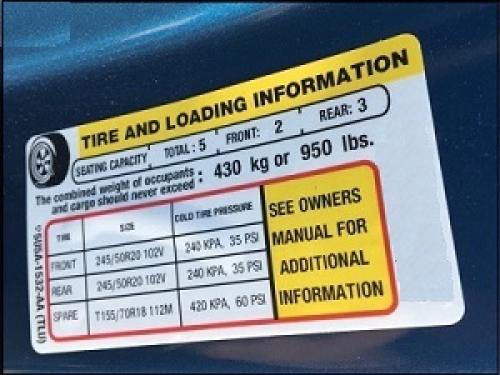
Every Ford F150 has an official tire pressure recommendation. You can find it in three places:
- On the sticker inside the driver’s door (often called the tire placard)
- In the owner’s manual
- Sometimes, on Ford’s website
For most recent F150 models (2015–2024), the recommended pressure is:
- 35 PSI (pounds per square inch) for both front and rear tires (standard size, unloaded truck)
Older models or trucks with heavy-duty packages may have different numbers. Always check your own sticker.
Important: The number on the tire sidewall is the *maximum* safe pressure, not the recommended one. The right number is usually lower.
Here’s a comparison table for some popular F150 models and years:
| Model Year | Recommended PSI | Tire Size | Notes |
|---|---|---|---|
| 2015-2024 | 35 PSI | 275/65R18, 265/70R17 | Standard load |
| 2010-2014 | 35 PSI | 255/70R17, 265/60R18 | Similar for most trims |
| 2004-2009 | 30-35 PSI | Various | Check sticker; some models differ |
If your truck has aftermarket tires or bigger wheels, the recommended pressure may change. Always use the pressure for your truck’s setup—not just what’s printed on the tire.
How To Check And Set Tire Pressure
Checking your tire pressure is easy and takes less than five minutes. Here’s how:
- Buy a simple tire pressure gauge. Digital or analog both work fine.
- Park your F150 on level ground, and let the tires cool for at least 30 minutes (pressure rises when tires are hot).
- Remove the valve cap and press the gauge onto the valve stem.
- Read the number, compare it to your recommended PSI.
- If too low, add air. If too high, let some air out.
- Replace the valve cap.
Many gas stations offer free air pumps, or you can use a home compressor. Make sure the gauge is accurate—cheap gauges can be off by several PSI.
Tip: Check all four tires. Even if three are fine, one could be low. Also check the spare tire; many drivers forget it.
Adjusting Tire Pressure For Different Loads
The Ford F150 is often used for carrying heavy loads or towing trailers. When you do this, tire pressure needs to change. Here’s what you should know:
- For heavy loads or towing, increase tire pressure by 3–5 PSI (but never above the maximum printed on the tire).
- After unloading, return to the recommended pressure.
- Uneven loads (like carrying tools only in the back) may require slightly higher pressure in rear tires.
Here’s a quick guide:
| Situation | Front Tires | Rear Tires | Notes |
|---|---|---|---|
| Standard Driving | 35 PSI | 35 PSI | Unloaded truck |
| Heavy Load/Towing | 38-40 PSI | 38-40 PSI | Adjust as needed |
| Off-Road | 25-30 PSI | 25-30 PSI | Lower pressure for grip |
Non-obvious insight: Many beginners don’t realize that tire pressure should be adjusted *back* after heavy use. Keeping high pressure all the time makes the truck ride harsh and increases tire wear.

Credit: www.reddit.com
Tire Pressure And Weather: What Changes
Temperature affects tire pressure. For every 10°F (6°C) change, tire pressure changes by about 1 PSI.
- In cold weather, pressure drops. You may need to add air.
- In hot weather, pressure rises. Don’t let air out if the tires are hot—wait until they cool.
This means you should check tire pressure at least once a month, and after big temperature swings. If you live somewhere with freezing winters and hot summers, this is especially important.
Common Mistakes F150 Owners Make
Many F150 drivers make these errors:
- Using tire sidewall pressure: This is a max number, not the normal pressure.
- Ignoring load changes: Carrying heavy cargo without adjusting pressure can cause tire damage.
- Checking pressure when tires are hot: Always check when tires are cold for accurate readings.
- Forgetting the spare tire: A flat spare is useless when you need it most.
- Skipping regular checks: Tire pressure changes slowly, so problems may not show until it’s too late.
Example: One owner noticed his truck felt unstable after a long drive. He checked tire pressure and found all four tires were at 28 PSI—much lower than recommended. The tires had slowly lost air over months.
How Tire Pressure Affects Driving Experience
The right tire pressure changes how your Ford F150 feels on the road:
- Comfort: Too much pressure makes the ride stiff. Too little makes it sloppy.
- Handling: Correct pressure gives steady steering and better braking.
- Noise: Low or high pressure can cause extra road noise.
If you notice your F150 feels rough, drifts in corners, or takes longer to stop, check your tire pressure. Many issues start here.
Tire Pressure Monitoring Systems (tpms) In F150
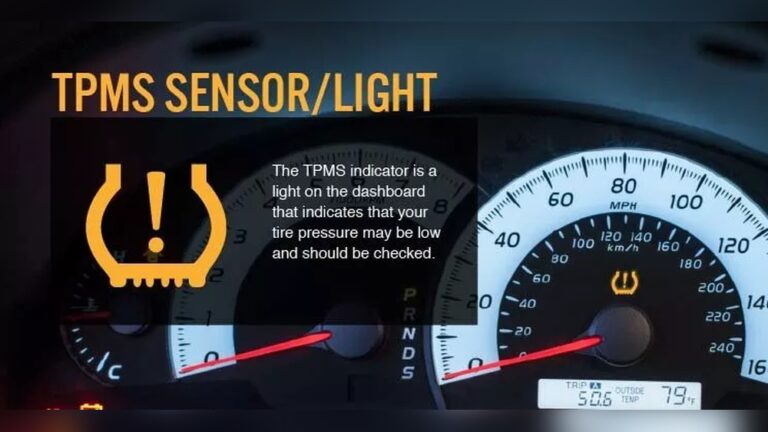
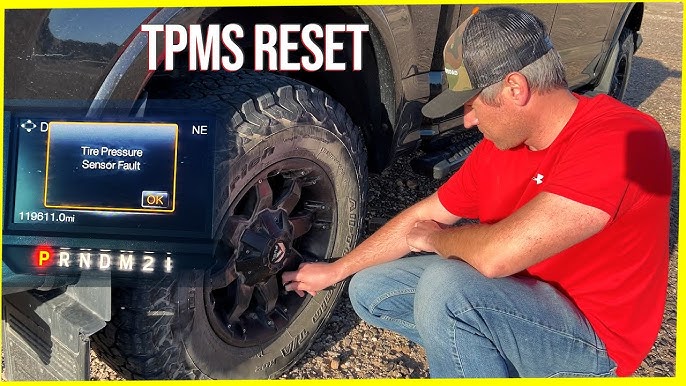
Most modern F150 trucks have TPMS—a system that warns you if tire pressure is too low. This is useful, but not foolproof.
- TPMS alerts only when pressure drops about 25% below recommended level.
- It may not warn about slow leaks or minor over-inflation.
- Always check manually, even if TPMS shows “OK”.
Non-obvious insight: TPMS sensors can fail or give false readings. If your warning light stays on after you fill tires, have the system checked.
Credit: www.ford.com
Choosing The Right Tires For Your F150
Tire pressure depends on tire type. If you change tires (for off-road, snow, or performance), check the recommended pressure for those tires. Use the pressure suggested for your F150, not just what the tire manufacturer says.
Example: If you switch to larger off-road tires, the recommended PSI may drop to 28–32 for grip, but only when driving off-road. For highway use, return to normal pressure.
If you’re unsure, ask your tire dealer or check the owner’s manual.
How Often Should You Check Tire Pressure?
Experts recommend checking tire pressure:
- Once a month
- Before long trips
- After big temperature changes
- Before and after carrying heavy loads
Regular checks help avoid surprises and keep your F150 running smoothly. Neglecting this simple task is a common reason for tire problems.
Real-life Example: The Cost Of Wrong Tire Pressure
Let’s look at a real scenario. An F150 owner in Texas ignored tire pressure checks. He drove daily with underinflated tires (28 PSI instead of 35). Result:
- Tires wore out in 22,000 miles (normal life: 40,000+ miles)
- Fuel economy dropped by 1.5 MPG
- Steering felt loose; braking distance increased
He spent $800 extra on new tires and more on gas. A few minutes a month could have saved him hundreds.
Comparing Ford F150 Tire Pressure With Other Trucks
How does F150 tire pressure compare to other popular pickups? Here’s a quick comparison:
| Truck Model | Recommended PSI | Tire Size |
|---|---|---|
| Ford F150 | 35 PSI | 275/65R18 |
| Chevrolet Silverado | 35 PSI | 255/70R17 |
| Ram 1500 | 36 PSI | 275/60R20 |
| Toyota Tundra | 32 PSI | 275/65R18 |
Notice: While numbers are similar, always use the pressure recommended for your own truck.
Practical Tips For Keeping Tire Pressure Correct
- Buy a reliable tire gauge—don’t trust only TPMS.
- Check pressure monthly and before trips.
- Adjust for heavy loads, but return to normal afterward.
- Track pressure during temperature changes.
- Keep your owner’s manual handy for quick reference.
Where To Find More Information
If you want detailed specs for your F150, visit Ford’s official site or read the owner’s manual. You can also check the tire placard inside your door for the exact number for your model. For deeper tire science, visit Tire Rack.
Credit: www.youtube.com
Frequently Asked Questions
What Is The Recommended Tire Pressure For A 2022 Ford F150?
For most 2022 F150s, the recommended tire pressure is 35 PSI for both front and rear tires (standard load, standard tires). Always confirm with your truck’s tire placard.
Does Tire Pressure Change With Bigger Tires Or Wheels?
Yes. If you switch to larger tires or different wheels, the recommended pressure may change. Check the new tire specs and consult the owner’s manual or your tire dealer.
Can I Use The Pressure Written On The Tire Sidewall?
No. The sidewall number is the maximum safe pressure, not the recommended one. Always use the number from your truck’s placard or manual.
How Do I Know If My Tire Pressure Is Too Low?
Common signs include a warning from TPMS, rough or sloppy handling, uneven tire wear, and lower fuel economy. It’s best to check with a gauge before these signs appear.
How Does Low Tire Pressure Affect My F150?
Low pressure can cause poor handling, increase fuel use, and make tires wear faster. In extreme cases, it can lead to tire failure or blowouts.
Keeping your Ford F150 tire pressure correct is easy and saves you money, improves safety, and makes every drive better. The right number is simple, but the benefits are huge. Take five minutes each month to check, and your F150 will thank you for years to come.