Driving a car should always feel smooth and safe. But sometimes, you start to notice small shakes in the steering wheel, a humming noise, or even uneven tire wear. These can all be signs that your tires are unbalanced. Many drivers wonder: How long can you drive on unbalanced tires before it becomes a real problem? Let’s explore why tire balance matters, the dangers of ignoring it, and what you can really expect if you keep driving with this issue.
What Does It Mean When Tires Are Unbalanced?
Tire balancing is making sure the tire and wheel weight is even all the way around. When tires are unbalanced, one section of the tire or wheel is heavier than the rest. This may seem like a small issue, but even a few grams of difference can cause big problems at high speeds.
Most new tires are balanced when they are installed. Over time, though, normal wear, hitting potholes, or even adding a new valve stem can cause imbalance. The result is usually a vibration that gets worse as you drive faster.
How Long Can You Drive On Unbalanced Tires?
There is no exact number of miles or days, because it depends on many factors. Some people drive a few days before fixing the problem, others may go for months. But here’s the reality: the longer you drive on unbalanced tires, the greater the risk to your car and your safety.
Experts generally agree that you should not drive more than a few hundred miles on unbalanced tires. In some cases, serious damage can start much sooner, especially if you drive fast or carry heavy loads.
Factors That Affect How Long You Can Drive
- Severity of Imbalance: A small imbalance may only cause minor discomfort, but a large one can quickly damage parts.
- Driving Habits: High speeds and rough roads make the problem worse, faster.
- Type of Vehicle: Lightweight cars may feel the vibration more than heavier vehicles.
- Tire Condition: Older, worn tires are more likely to be damaged by imbalance.
- Load: Heavier loads increase the stress on unbalanced tires.
In most cases, drivers start to notice symptoms within a few days or weeks. If you ignore these signs, you could face expensive repairs or, in the worst case, a dangerous accident.
Signs Your Tires Are Unbalanced
It’s important to spot the signs early. Here are some common symptoms:
- Vibration in the steering wheel, especially at higher speeds
- Uneven or rapid tire wear
- Strange noises coming from the tires or under your car
- Poor fuel efficiency
- Steering feels loose or shaky
If you notice any of these, it’s best to get your tires checked as soon as possible.
What Happens If You Ignore Unbalanced Tires?
Driving on unbalanced tires does not just affect comfort. It can cause real damage over time. Let’s look at some of the risks:
1. Tire Damage
Unbalanced tires wear unevenly. The tread can wear out much faster on certain parts of the tire, shortening its life. In some cases, you might see bald spots or even the tire’s metal cords showing, which is extremely unsafe.
2. Suspension And Steering Problems
The constant vibration from unbalanced tires puts extra stress on your suspension components (like shocks, struts, and bushings). Over time, these parts can wear out faster than normal, leading to expensive repairs.
3. Wheel Bearing And Hub Damage
Your wheel bearings and hubs are designed to spin smoothly. The vibration and wobbling from unbalanced tires can damage these parts, which are costly and time-consuming to replace.
4. Reduced Braking Efficiency
Unbalanced tires can also affect how evenly your car brakes. This can increase your stopping distance, especially in emergencies.
5. Safety Risks
Perhaps the most important issue is safety. An unbalanced tire can lose traction or even blow out if ignored for too long. This puts you and others at risk.
Credit: www.lesschwab.com
How Long Is Too Long? Real-world Examples
There is no one-size-fits-all answer, but here are a few real examples:
- Mild imbalance: Some drivers report driving for 500-1,000 miles with only minor vibrations, but their tires often show uneven wear after a few weeks.
- Severe imbalance: In cases where the steering wheel shakes badly, some people see tire and suspension damage within 100-200 miles.
- High speeds: On highways, damage and risk increase much faster. Many mechanics say even one long trip at high speed can cause significant harm if tires are badly unbalanced.
Here is a helpful table to show the possible effects over time:
| Time/Distance Driven | Typical Effects |
|---|---|
| 0-100 miles | Noticeable vibrations, minor discomfort |
| 100-500 miles | Uneven tire wear starts, more vibration, slight suspension stress |
| 500-1,000 miles | Significant tire wear, possible damage to suspension/steering parts |
| 1,000+ miles | High risk of tire failure, suspension damage, safety issues |
Why Do Tires Become Unbalanced?
Tires can go out of balance for several reasons:
- Normal wear and tear: As you drive, small changes in tire and wheel weight distribution happen.
- Hitting curbs or potholes: Sudden impacts can throw off the balance.
- Tire repairs: Patching a tire or changing a valve can affect balance.
- Manufacturing defects: Sometimes new tires are not perfectly balanced from the start.
Regular maintenance helps catch these problems early.
The Science Behind Tire Balance
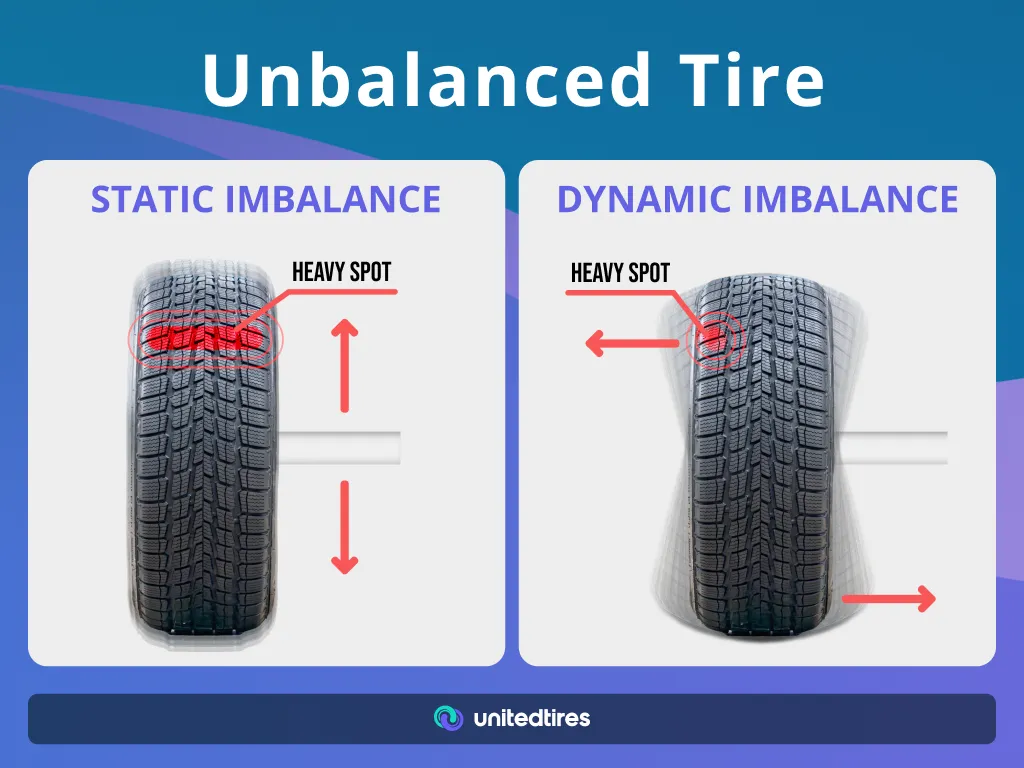
When a tire spins, any extra weight on one side creates a force that pulls the wheel away from the center. At low speeds, this force is small. But as speed increases, the force grows quickly. That’s why you may only notice vibrations at highway speeds.
For example, a tire imbalance as small as 0. 5 ounces (about 14 grams) can cause a strong vibration at 60 mph (96 kph). This shows why even small unbalances should not be ignored.
How To Fix Unbalanced Tires
Balancing tires is a quick and affordable process at most auto shops. Here’s what happens:
- The wheel and tire are removed from the car.
- They are placed on a balancing machine.
- The machine spins the wheel and finds where the weight difference is.
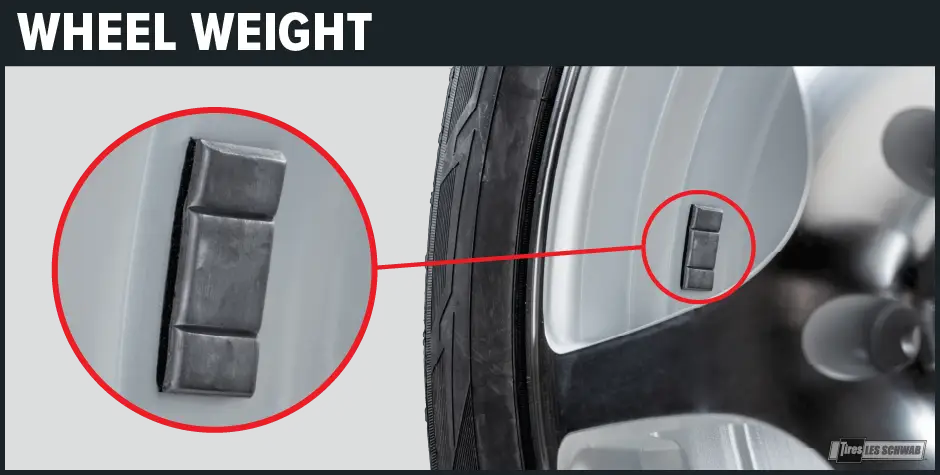
- Small weights are added to the rim to balance it.
Most balancing jobs take less than 30 minutes per tire and cost between $10–$20 per tire (as of 2024). This is a small price to pay compared to the cost of new tires or suspension repairs.
Comparing Balanced Vs. Unbalanced Tires
To help you understand the practical differences, here’s a table comparing what you can expect with balanced and unbalanced tires:
| Feature | Balanced Tires | Unbalanced Tires |
|---|---|---|
| Ride Comfort | Smooth, no vibration | Shaky, uncomfortable |
| Tire Wear | Even, long-lasting | Uneven, shortens lifespan |
| Suspension Health | Normal wear | Faster wear, possible damage |
| Fuel Economy | Optimal | Poor, wasted fuel |
| Safety | High | Lower, risk of blowout |
Cost Of Ignoring Unbalanced Tires
Many drivers try to save money by waiting to fix unbalanced tires. But this often leads to bigger costs later. Here are some real-world prices (2024 average US costs):
- New tires: $100–$300 each
- Suspension repairs: $500–$1,500
- Wheel bearing replacement: $300–$800
- Tire balancing: $10–$20 per tire
You can see that regular balancing is the cheapest option.
Non-obvious Insights Most Drivers Miss
Many car owners think tire balance is only about comfort. But two key points are often missed:
- Tire pressure and balance are linked. Low tire pressure can make imbalance symptoms worse, so always check both.
- Wheel alignment is different from balancing. Even after balancing, your car can pull to one side if alignment is off. It’s smart to check both if you notice strange behavior.
Another insight: Unbalanced tires can actually damage your car’s electronic systems. Some modern vehicles have sensors in the suspension and steering. Constant vibration can make these sensors fail earlier, leading to warning lights or false alerts.
How To Prevent Tire Imbalance
You can reduce the risk of unbalanced tires by following these tips:
- Rotate your tires every 5,000–7,000 miles
- Avoid potholes and curbs when possible
- Check tire pressure monthly
- Inspect tires for unusual wear
- Get your tires balanced whenever you buy new ones or feel vibration
Most manufacturers recommend balancing tires every 12,000 miles or once a year, whichever comes first.
When Is It Safe To Drive To A Shop?
If you notice small vibrations but must drive to a repair shop, it’s usually okay to go a short distance (under 20 miles) at moderate speeds. But avoid highways and heavy loads. If the vibration is severe, the steering feels loose, or you hear loud noises, it’s safer to call a tow truck.
More Data: How Quickly Do Problems Develop?
Let’s look at how fast issues can appear with unbalanced tires:
| Symptom | Possible Onset | Consequences |
|---|---|---|
| Vibration | Immediately to 100 miles | Driver discomfort |
| Uneven tire wear | 100–500 miles | Reduced tire life |
| Suspension damage | 500–2,000 miles | Expensive repairs |
| Potential blowout | 1,000+ miles | Safety risk |
Credit: www.utires.com
When Should You Get Your Tires Balanced?
- When you buy new tires
- After hitting a pothole or curb
- If you feel vibrations at certain speeds
- If you see uneven tire wear
- After a tire repair
For more detailed information about tire maintenance and safety, you can visit the National Highway Traffic Safety Administration.
Frequently Asked Questions
How Can I Tell If My Tires Are Unbalanced?
Look for vibration in the steering wheel at certain speeds, uneven tire wear, or strange noises. If you notice any of these, have your tires checked right away.
Is It Dangerous To Drive With Unbalanced Tires?
Yes, it can be. Besides discomfort, unbalanced tires can lead to tire blowouts, poor handling, and even accidents if ignored for too long.
How Often Should I Balance My Tires?
Most experts recommend balancing your tires every 12,000 miles or once a year. Always balance new tires and after any major impact or repair.
Can Unbalanced Tires Affect Gas Mileage?
Absolutely. Unbalanced tires cause more rolling resistance and make your engine work harder, leading to poor fuel economy.
What Is The Difference Between Wheel Alignment And Balancing?
Wheel alignment adjusts the angle of the wheels for straight tracking. Balancing corrects weight distribution around the tire and wheel. Both are important for safety and smooth driving.
Driving on unbalanced tires may seem harmless at first, but the risks grow quickly. Don’t ignore the early signs. A small fix today can save you money, time, and stress in the future. For the safest and smoothest ride, keep your tires balanced and your car happy.

Credit: abcbalancingbeads.com