Do You Balance Utv Tires
If you own a UTV (Utility Task Vehicle), you know how much fun and freedom these machines offer. UTVs can travel across mud, sand, rocky trails, or open fields. But as you push your vehicle, you may notice vibrations or an odd shaking, especially at higher speeds. This brings up a common question: Do you balance UTV tires?
Many UTV owners are unsure if tire balancing is necessary. Some think it only matters for cars and trucks. Others believe big off-road tires are too tough or that balancing makes no difference. The truth is, balancing your UTV tires can make a big difference in how your ride feels, how long your parts last, and how safe you are on the trail.
Let’s explore the complete story, including when and how to balance, the effects of not balancing, and expert advice for every UTV driver.
Why Utv Tire Balance Matters
Balancing means making sure the tire and wheel spin evenly around the axle, without wobbling or hopping. Every tire and wheel has tiny weight differences. When these are not balanced, they cause vibrations as you drive. This is true for UTVs as well as cars.
What Happens If You Don’t Balance?
- Steering vibration: Unbalanced tires make the steering wheel or handlebars shake, especially at speeds above 20–25 mph.
- Faster wear: Your tires can wear unevenly and wear out sooner than they should.
- Parts damage: Vibrations put stress on suspension, bearings, and axles. You may find yourself replacing parts sooner.
- Rough ride: The UTV feels less stable, making it harder to control, especially on hard surfaces or gravel roads.
- Fatigue: Longer rides become tiring if you constantly fight vibration.
When Is Tire Balance Most Important?
Balancing matters most if you:
- Drive at higher speeds (over 20 mph)
- Ride on hard surfaces (pavement, gravel)
- Use your UTV for long distances
If you only drive slowly over deep mud or soft sand, tire balance may matter less. But for many UTV owners, balancing is a smart choice for comfort and safety.
How Utv Tires Are Balanced
You might wonder if balancing UTV tires is the same as for cars. The answer: almost, but with some differences.
Static Vs. Dynamic Balancing
- Static balancing: Weights are added to the wheel to stop it from spinning or hopping on a balancing stand. This is good for most UTV tires, especially larger off-road types.
- Dynamic balancing: More advanced, used for high-speed vehicles. The wheel is spun and weights added for both vertical and side-to-side balance. Less common for UTVs.
Most UTV shops use static balancing. Some bigger dealers can do dynamic balancing, but it’s not usually needed unless your UTV is set up for racing or high-speed use.
Balancing Tools And Methods
- Balancing machine: Looks like a small car tire balancer. The wheel is spun, and the machine shows where to add weights.
- Bubble balancer: Simple tool. The wheel sits on a cone and you check if it’s level.
- On-the-vehicle balancer: Rare, but balances the tire while mounted on your UTV.
Example Balancing Process
- The tire and wheel are mounted together.
- They’re placed on a balancer.
- The heavy spot is found.
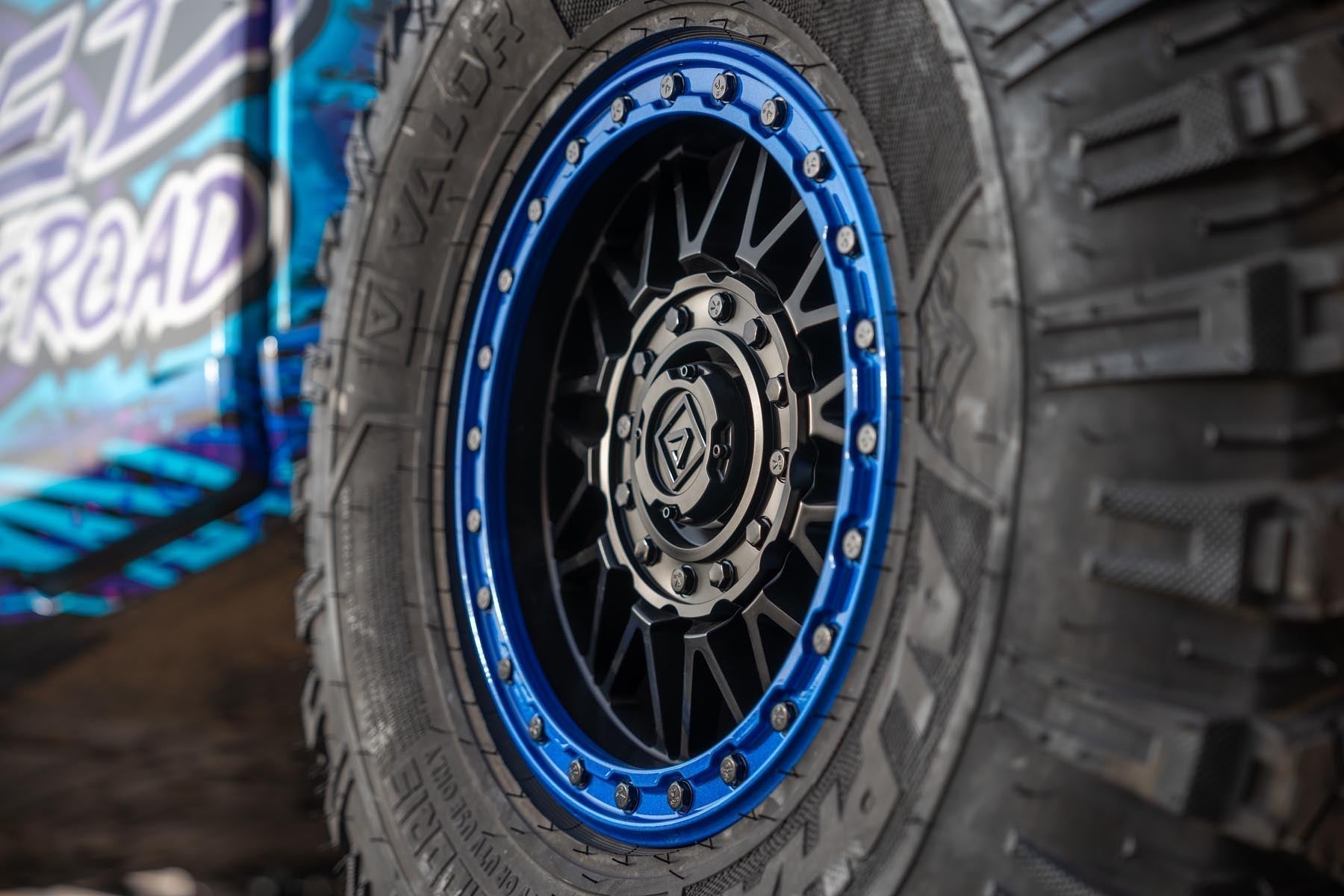
- Small wheel weights are attached to the rim (usually 0.25–2 oz each).
- The process is repeated until the wheel spins evenly.
Credit: www.valoroffroad.com
When Should You Balance Utv Tires?
Balancing isn’t always needed every time you change something, but there are key moments when you should:
- New tire installation: Always balance when you get new tires.
- After a repair: Patches or plugs can change the weight of the tire.
- After a hard impact: Hitting a big rock or curb can bend a rim or shift weights.
- If you notice vibration: If the ride feels rough, check the balance.
Most UTV owners balance their tires when buying new ones. It’s a good habit to check balance once a year or after any hard hits.
Are All Utv Tires Balanced From The Factory?
No, most UTV tires are not balanced by the factory. When you buy a new UTV, the tires are mounted quickly for shipping. Manufacturers expect dealers or owners to balance tires during setup.
Some high-end UTVs or street-legal models may have balanced tires, but this is rare. Always check with your dealer.
Types Of Wheel Weights For Utvs
There are a few kinds of wheel weights used for balancing:
- Clip-on weights: Attach to the edge of a steel wheel.
- Stick-on (adhesive) weights: Stick to the inside of aluminum rims, common for UTVs.
- Bead balancing: Small ceramic or glass beads poured inside the tire. They move to balance as the tire spins.
Stick-on weights are most popular for UTVs because most have aluminum wheels. Bead balancing is sometimes used for large, aggressive mud tires where standard weights may fall off.
Quick Comparison Of Weight Types
| Type | Best For | Pros | Cons |
|---|---|---|---|
| Clip-on weights | Steel wheels | Easy to apply, cheap | Can damage finish, not for alloys |
| Stick-on weights | Aluminum wheels | Won’t scratch, hidden inside | Can fall off if not applied well |
| Bead balancing | Large off-road tires | Self-adjusting, no visible weights | More expensive, can be noisy |
Common Myths About Utv Tire Balancing
Many riders believe myths that can cost them money and comfort. Let’s look at the most common:
1. “big Tires Don’t Need Balancing.”
All tires, big or small, can have balance problems. In fact, larger off-road tires often have bigger weight differences.
2. “i Only Drive Off-road, So It Doesn’t Matter.”
Even on dirt, vibration can damage suspension and bearings.
3. “beads Are Always Better Than Weights.”
Beads work well for some setups, but not all. They can clog valves or make noise.
4. “utv Tires Are Too Tough To Balance.”
Most tire shops can balance UTV tires with the right tools.
Real-world Examples
To see the impact of tire balancing, consider these situations:
- Case 1: A farmer noticed his UTV’s steering shook at 30 mph after installing bigger tires. The shop had skipped balancing. After balancing, the shake disappeared, and tire wear improved.
- Case 2: A group of racers used bead balancing in their sand UTVs. They found less vibration on the track compared to stick-on weights, which often flew off.
- Case 3: A hunter ignored tire balance. After a year, his wheel bearings failed early from vibration stress. Balancing would have saved money and downtime.
These cases show that balancing isn’t just for comfort—it saves money and extends the life of your UTV.
Cost And Time: Is It Worth It?
Balancing UTV tires is not expensive. Most shops charge $5–$15 per tire. The process takes about 10–20 minutes per wheel. Compare this to the price of new tires or repairing suspension, and it’s a small investment.
Balancing Cost Comparison
| Item | Average Cost (USD) | Frequency |
|---|---|---|
| UTV tire balancing | $5–$15/tire | When new or as needed |
| New tire | $80–$250 each | Every 2–5 years |
| Wheel bearing repair | $100–$300 per wheel | As needed |
In most cases, balancing pays for itself by reducing wear and tear.
Diy Vs. Professional Balancing
Some UTV owners want to balance their own tires. This is possible, but there are risks:
- DIY methods: Bubble balancers, bead kits, or home-made stands.
- Challenges: You need time, patience, and the right weights. Mistakes can lead to more vibration.
- Professional shops: Have the right equipment and experience. If you ride fast or on pavement, professional balancing is best.
When Diy Makes Sense
- If you live far from a shop
- If you change tires often for racing or mudding
- If you understand how to use balancing tools
Otherwise, a tire shop will give you the best results.
Signs Your Utv Tires Need Balancing
Watch for these clues:
- Steering wheel or handlebars shake at higher speed
- Unusual tire wear (cupping or flat spots)
- Rattling or vibration in the floorboard
- You recently changed tires or hit something hard
If you notice these, check your tire balance soon.

Credit: www.superatv.com
How Tire Pressure And Balance Work Together
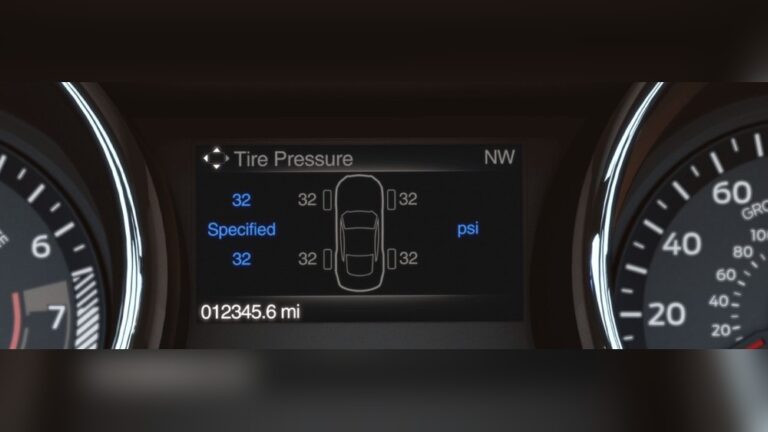
Many people forget that tire pressure affects balance, too. If one tire is under-inflated, it can feel like a balance problem. Always check tire pressure before balancing.
- Keep all tires at the recommended PSI.
- Check after every ride, especially if you change terrain.
- Over- or under-inflated tires wear unevenly.
Mistakes To Avoid
Even experienced UTV owners make mistakes when it comes to tire balance:
- Skipping balance on new tires: Always balance new tires, even if they look fine.
- Ignoring small vibrations: Small shakes get worse over time.
- Using car weights on UTV wheels: Use weights made for your wheel type.
- Forgetting to re-balance after a repair or impact: Tire repairs can change balance.
These mistakes can cost time and money later.

Credit: tiresupplynetwork.com
The Future: Smart Balancing And Technology
Technology is changing how tires are balanced. Some shops now use laser balancing or computer-aided machines for more precise results. There are even smart sensors that tell you when a tire is out of balance.
For most UTVs, traditional balancing methods work well. But if you’re a high-performance rider, ask your shop about the latest options.
Where To Learn More
For detailed information on UTV tire maintenance, the Wikipedia entry on All-terrain vehicles is a good place to start.
Frequently Asked Questions
Do All Utvs Need Tire Balancing?
Not every UTV needs balancing for low-speed, mud, or sand use, but for higher speeds or frequent hard-surface riding, balancing is important for comfort and vehicle health.
Can I Use Car Wheel Weights On Utv Tires?
It’s best to use weights designed for your wheel type. Car weights may not fit or could damage UTV wheels, especially aluminum rims.
How Often Should I Balance My Utv Tires?
Balance when installing new tires, after repairs, or if you notice vibration. For regular use, checking once a year is a good habit.
Are Balancing Beads Better Than Stick-on Weights?
Beads are good for large off-road tires and adjust as you ride. Stick-on weights are best for standard aluminum wheels. The right choice depends on your tire and riding style.
What Happens If I Never Balance My Utv Tires?
You’ll likely feel more vibration, have faster tire and part wear, and risk damaging your suspension or bearings. For most riders, balancing is a smart, low-cost step.
Balancing your UTV tires is a small task with big benefits. It keeps your ride smooth, extends the life of parts, and can save money and frustration. Don’t overlook this simple maintenance step—your UTV and your body will thank you.