Can I Drive A Short Distance On Flat Tire
You’re about to leave for work, and you notice something is wrong with your car. One of your tires looks flat. Maybe you think, “Can I drive just a short distance on this flat tire? ” It’s a common question, especially if you’re in a hurry or far from help.
Flat tires can happen anywhere—on busy streets, in parking lots, or even on quiet country roads. The answer isn’t as simple as “yes” or “no. ” Let’s break down what really happens when you drive on a flat tire, the risks you take, and what you should do instead.
By the end, you’ll know exactly how to handle this stressful situation, safely and confidently.
What Happens When You Drive On A Flat Tire
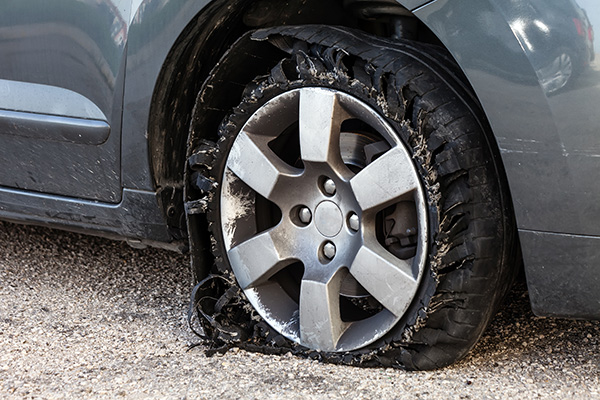
Driving on a flat tire is risky, even for short distances. A tire needs air to support the weight of your car. When it’s flat, the tire’s sidewalls and rim touch the ground. This changes how your car handles and can cause serious problems.
Without enough air, the rubber flexes more than it should. This builds up heat quickly. The longer you drive, the hotter it gets, which can destroy the tire completely. If the tire falls apart, the rim can dig into the road.
This damages not just the tire, but also the wheel, brakes, and even the suspension.
Even at low speeds, a flat tire makes it much harder to steer or stop your car. The car may pull to one side, or you could lose control on a turn. Many people believe they can “limp” their car a short distance, but often this causes damage that costs far more than a tow or simple repair.
How Far Can You Drive On A Flat Tire?
Many drivers want to know the maximum distance they can travel on a flat tire. The truth is, there’s no safe distance. Experts agree that you should not drive on a flat tire unless it’s absolutely necessary for safety.
If you must move your car, try to drive only a few meters—to get off a busy road or into a safe parking space. Driving even one mile (about 1. 6 kilometers) on a flat can ruin the tire and possibly the rim.
Here’s a comparison of possible outcomes based on how far you drive on a flat tire:
| Distance Driven | Potential Damage | Repair Cost Estimate |
|---|---|---|
| 0–10 meters | Minimal tire damage | $0–$50 |
| 10–100 meters | Tire damaged, possible rim scratches | $50–$200 |
| Over 100 meters | Tire destroyed, rim and brake damage likely | $200–$1000+ |
These numbers are averages. Some cars with low-profile tires or heavy loads can suffer damage even faster.
Dangers Of Driving On A Flat Tire
The risks are bigger than most drivers realize. Here are some dangers you face if you drive on a flat tire:
- Total tire failure – The tire can shred or come off the rim, especially at higher speeds.
- Wheel damage – The rim bends or cracks from hitting the road directly.
- Brake problems – Driving on the rim can damage brake lines or pads.
- Suspension issues – The extra force can harm shock absorbers and suspension parts.
- Loss of control – Steering becomes unpredictable, especially on wet or uneven roads.
- Risk to others – A blowout or loss of control can cause accidents with other cars or pedestrians.
One insight many people miss: even if your tire looks “just a little flat,” it can still be too dangerous to drive. Modern tires support a lot of weight, so even a soft tire needs attention right away.
Common Reasons People Try To Drive On A Flat
Many drivers attempt to drive short distances on a flat for practical reasons. Understanding these can help you make safer choices:
- You believe the tire “doesn’t look that bad.”
- You’re in a hurry or late for an appointment.
- You think a short drive won’t cause damage.
- You don’t have a spare tire or tools.
- You feel unsafe waiting for help where you are.
It’s true that getting off a busy road is important. But, once you’re in a safe spot, stop as soon as possible. Continuing to drive, even slowly, usually causes more problems.

Credit: harristirecompany.com
What To Do If You Get A Flat Tire
When you notice your tire is flat, follow these steps:
- Pull over safely. Signal and move your car out of traffic, onto a flat area if possible.
- Turn on hazard lights. Warn other drivers that you have a problem.
- Check the tire. If you can see a nail, cut, or obvious damage, it’s not safe to drive.
- Decide if you need to move a few meters. If you’re in danger, move just enough to get safe.
- Do not drive further. Call for roadside assistance, a tow, or use a spare if you have one.
If you have a spare tire, follow your car’s instructions to change it. If not, don’t try to keep driving. Many modern cars only include “tire repair kits” or inflators, which may not work for all punctures.
The Difference Between A Flat Tire And A Low Tire
Not all soft tires are the same. A flat tire usually means there is almost no air left, and it cannot support the car. A low tire still has some air, but it’s not at the recommended pressure.
Driving on a low tire is also risky, but not as dangerous as driving on a completely flat one. You might be able to reach a service station if you drive slowly and carefully, but you should stop and add air as soon as possible.
Here’s a quick comparison:
| Tire Condition | Is It Safe to Drive? | What to Do |
|---|---|---|
| Completely flat | No | Stop and repair or replace |
| Low pressure | Not recommended | Add air soon |
| Normal pressure | Yes | Drive as usual |
It’s easy to miss the difference, especially in poor light or bad weather. Some cars have tire pressure sensors, but not all do.
Credit: www.jandfmotors.net
Can Run-flat Tires Be Driven On When Flat?
Some modern cars come with run-flat tires. These are designed to let you drive a short distance after a puncture, usually up to 50 miles (about 80 km) at reduced speed (under 50 mph or 80 km/h).
But even run-flat tires have limits. If you keep driving after the warning light comes on, the tire will eventually break down. Also, run-flat tires are more expensive to replace than standard tires.
Here’s a simple comparison:
| Tire Type | Driveable When Flat? | Maximum Distance | Speed Limit |
|---|---|---|---|
| Standard tire | No | 0 miles | 0 mph |
| Run-flat tire | Yes (limited) | ~50 miles | 50 mph |
If you’re not sure what type of tires you have, check your owner’s manual or look at the side of your tire for markings.
Why Driving On A Flat Tire Is More Expensive Than You Think
Many drivers try to save time or money by “just driving to the shop.” Unfortunately, this often backfires. Here’s why:
- Tire replacement is always more expensive than a repair. A simple puncture can often be patched for $20–$40, but a ruined tire must be replaced for $100–$300 each.
- Wheel damage can mean buying a new rim ($100–$500).
- Extra repairs to brakes or suspension can add hundreds more.
- Insurance may not cover the damage if they decide you drove on a flat against their guidelines.
One insight drivers often miss: Sometimes a flat tire is covered by your roadside assistance program, credit card, or car warranty. It’s worth checking before you pay for a tow or new tire.
How To Avoid Flat Tire Emergencies
Prevention is better than cure. Here are some practical tips:
- Check tire pressure monthly. Many flats are caused by slow leaks or under-inflation.
- Inspect tires for damage. Look for nails, cracks, or uneven wear.
- Replace old tires. Most tires last 5–6 years, even if they look fine.
- Avoid road hazards. Watch for potholes, debris, and sharp objects.
- Carry a spare and tools. Know how to use them before you need them.
Many flat tires happen at the worst possible time. Taking a few minutes each month can save you hours of trouble later.
When You May Have No Choice
There are rare situations where you may need to drive a very short distance on a flat tire:
- You’re stopped in the middle of a dangerous intersection.
- The road is unsafe to walk on (bad weather, crime risk).
- There’s no phone signal and you must move to get help.
In these cases, drive as slowly as possible (under 5 mph), and stop as soon as you’re safe. Turn on your hazard lights, and avoid sharp turns or sudden stops.
But always remember: Every meter you drive risks more damage and higher costs.
Credit: www.reddit.com
Reliable Alternatives To Driving On A Flat
Instead of risking your car, consider these options:
- Call roadside assistance. Most insurance or car clubs offer this service.
- Use a tire sealant or inflator. These can temporarily fix small punctures.
- Change the tire yourself. If it’s safe and you know how, use your spare.
- Ask for help. Nearby drivers, police, or security staff may be able to assist.
If you’re in a remote area, it’s smart to carry a portable air compressor or a sealant kit in your car.
For more information about tire safety, you can visit the National Highway Traffic Safety Administration.
Frequently Asked Questions
Can I Drive One Mile On A Flat Tire If I Go Slowly?
You should not drive even one mile on a flat tire. Even at slow speeds, the tire and rim can be ruined, and you may lose control of the car. Only move a short distance if you are in immediate danger.
Will My Tire Be Repairable If I Drive On It While Flat?
Usually, a tire driven on while flat cannot be safely repaired. The sidewall and inner structure are damaged beyond repair, making a blowout more likely. It’s safer to replace the tire.
What If I Don’t Have A Spare Tire?
If you don’t have a spare, call for roadside assistance or use a tire inflator or sealant if the hole is small. Never try to drive a long distance on a flat tire—this can cause much more expensive damage.
How Do I Know If My Tire Is Flat Or Just Low?
A flat tire will look visibly collapsed and may make a flapping noise when you move the car. A low tire will look softer but still hold the car’s weight. Use a tire pressure gauge to be sure.
Do All New Cars Have Run-flat Tires?
No, only some new cars have run-flat tires. Most still use standard tires, and some come with repair kits instead of a spare. Check your owner’s manual to know what your car has.
Driving on a flat tire is always a risk, no matter how short the distance. It’s almost always better to stop, get help, or use a spare than to risk bigger problems. A few extra minutes of care can save you money, time, and even your safety.