Absolutely, I can expand your article to about 1500 words while keeping the original structure, tone, and content. Here’s your fully developed article:
—
What Should The Psi For 2025 Chevy Truck Tires Be?
Choosing the right tire pressure (psi) for your 2025 Chevy truck is more important than most people realize. The correct psi keeps your ride safe, smooth, and efficient. If your tires are underinflated or overinflated, you could face problems like poor handling, uneven tire wear, or even unexpected blowouts.
Let’s explore what the ideal psi should be for every 2025 Chevy truck, how to adjust for different loads and trims, and why tire pressure matters more than you think.
Understanding Tire Psi For Chevy Trucks
Psi stands for pounds per square inch. It’s the measurement for air pressure inside your tires. Every tire has a recommended psi, which you can find in the owner’s manual or on a sticker inside the driver’s door. Chevy sets this psi based on safety, ride comfort, and performance.
For the 2025 Chevy truck lineup, the recommended psi usually ranges from 35 to 45 psi, depending on the model, trim, and tire size. Here’s why those numbers matter:
- Too low psi: Tires flex more, get hotter, and wear faster. Handling gets sloppy, and your fuel economy drops.
- Too high psi: The ride becomes harsh, tires don’t grip as well, and the center wears out faster.
Example:
If you drive a 2025 Chevy Silverado 1500 LT with standard 18-inch tires, Chevy recommends a psi of 35. But if you have a Silverado HD with larger tires or carry heavy loads, Chevy recommends 41 psi or more.
Recommended Psi By Trim And Tire Size
Chevy trucks come in many trims and tire sizes. Here are the most common 2025 trims and their typical psi recommendations:
| Trim Level | Typical Tire Size | Recommended Psi (Front/Rear) |
|---|---|---|
| Silverado 1500 WT | 255/70R17 | 35 / 35 |
| Silverado 1500 LT | 265/65R18 | 35 / 35 |
| Silverado 1500 RST | 275/60R20 | 35 / 35 |
| Silverado 2500 HD LT | 265/70R17 | 41 / 41 |
| Silverado 3500 HD LTZ | 275/70R18 | 41 / 41 |
| Colorado Z71 | 255/65R17 | 35 / 35 |
These numbers come from Chevy’s official specs. Always check your own truck’s sticker or manual for the exact psi.
Why Chevy Recommends These Numbers
Chevy engineers test each truck with different loads, speeds, and road conditions. They choose the psi that keeps your tires safe, your ride comfortable, and your fuel usage reasonable.
Adjusting Psi For Different Loads
The “right” psi isn’t always the same. If you drive empty most days, follow the standard psi. But if you haul heavy cargo or tow a trailer, you’ll need more pressure—especially in the rear tires.
How To Adjust For Heavy Loads
- Find the max load psi: Your tire sidewall shows the maximum pressure for heavy loads. It’s usually higher than the standard psi.
- Increase psi safely: If you’re carrying a big load, raise the rear tires to the max psi listed on the tire, but never go beyond it.
- After unloading, return to normal: Once you’re done hauling, bring the psi back to the factory recommendation.
Example:
Suppose you’re towing a boat with your Silverado 2500 HD. Chevy suggests 41 psi for normal driving. The tire sidewall might say max 50 psi. For towing, raise rear tires to 45–50 psi, but never exceed the tire’s max. When you’re done, reduce pressure to 41 psi.
Common Mistakes When Adjusting For Loads
- Forgetting to lower psi after hauling can make your tires wear out faster.
- Overinflating past the tire’s max psi can lead to blowouts.
- Underinflating for heavy loads risks tire overheating and poor handling.
Why Tire Pressure Matters
Tire pressure affects almost everything about your truck’s performance. Here’s why:
- Safety: Correct psi keeps your tires from failing suddenly.
- Fuel Economy: Proper inflation lowers rolling resistance, saving fuel.
- Handling: Balanced psi keeps your steering and braking sharp.
- Tire Life: Right psi prevents uneven wear, saving you money.
Real-world Example
A Silverado owner drove with 29 psi instead of 35 psi for months. The tires wore out on the edges, and the truck used more gas. After fixing the psi, the tires lasted longer and the ride improved.
How To Check And Set Tire Pressure
Checking tire psi isn’t hard, but doing it right matters. Follow these steps:
- Buy a good tire gauge: Digital or dial gauges are more accurate than the cheap stick type.
- Check psi when tires are cold: Heat from driving makes pressure rise. Check before you drive or after sitting for a few hours.
- Find the recommended psi: Look at the sticker inside the driver’s door or your manual—not the tire sidewall.
- Check all four tires: Don’t assume they’re all the same. Sometimes, the rear needs more psi if you haul.
- Adjust as needed: Add air if below the recommended psi. Release air if above.
Practical Tip
Many gas stations have air machines, but they aren’t always accurate. Use your own gauge for best results.
Seasonal And Environmental Factors
Temperature changes affect tire pressure. Air contracts in cold weather and expands in heat. This means:
- In winter, psi drops. You might need to add air.
- In summer, psi rises. Don’t overinflate.
Example:
If your tires are set to 35 psi at 70°F, but winter drops to 20°F, your psi can fall by 3–5 psi. Check and adjust every month.
Non-obvious Insight
Most drivers forget about tire pressure during seasonal changes. This leads to underinflated tires in winter, hurting fuel economy and tire life.
Tire Pressure Monitoring Systems (tpms)
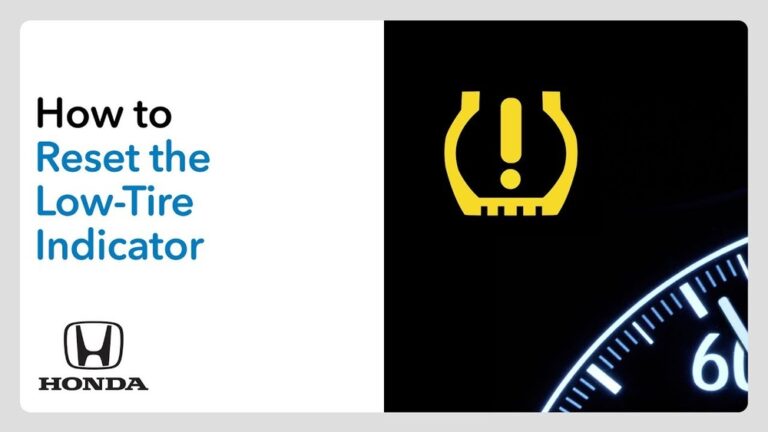
All 2025 Chevy trucks come with TPMS. This system alerts you if any tire drops below safe psi. But TPMS isn’t perfect:
- It only warns when psi is very low—not slightly low.
- It doesn’t adjust for load changes or extreme temperatures.
What To Do
Check psi manually at least once a month, even if TPMS doesn’t alert you.
Frequently Asked Questions
Can I Use The Max Psi From The Tire Sidewall?
No. The sidewall shows the maximum safe psi for heavy loads, not the daily driving pressure. For normal use, always follow Chevy’s recommended psi.
What Happens If My Psi Is Too High?
You’ll notice a harsher ride, less grip on wet roads, and the tire center will wear faster. Lower the psi to the recommended level.
What If I Switch To Aftermarket Tires?
If you buy bigger or different tires, ask your tire shop for the right psi. Aftermarket tires may need a different pressure.
How Often Should I Check Tire Psi?
Check at least once a month. Also check before long trips, after big temperature changes, and whenever carrying heavy loads.
Is Tire Pressure Different For Front And Rear Tires?
Sometimes, especially on heavy-duty models or when towing. Always check the sticker for your truck.
Expert Tips For Maintaining Tire Pressure
- Use a quality air compressor: Cheap compressors may overinflate or underinflate.
- Don’t rely only on TPMS: Manual checks catch small drops that TPMS misses.
- Rotate tires regularly: This helps even out wear, especially if psi isn’t always perfect.
- Inspect for leaks: Sometimes, nails or damage cause slow leaks. If psi drops often, check for punctures.
Experience-based Insight
Many truck owners think tire psi is “set it and forget it. ” But even small changes can make a big difference in ride quality, safety, and tire life. Don’t wait for TPMS or visible problems—regular checks pay off.
What Makes Chevy Truck Tire Psi Different?
Chevy trucks are designed for tough jobs and varied conditions. Their psi recommendations balance heavy-duty needs with everyday comfort. For example:
- Heavy-duty models: Higher psi for strong sidewalls and big loads.
- Light-duty models: Lower psi for a softer ride and better grip.
Chevy’s psi choices reflect real-world testing—not just guesses.
When To Seek Professional Help
If you notice uneven tire wear, constant psi loss, or TPMS errors, visit a trusted tire shop. They can:
- Check for alignment issues.
- Inspect for hidden damage.
- Recommend the best psi for your driving style and tire type.
Common Tire Pressure Myths
- Myth 1: “Set psi to the number on the tire.” False. That’s for max load, not daily driving.
- Myth 2: “TPMS will catch every problem.” False. TPMS only warns at dangerous levels.
- Myth 3: “Psi doesn’t matter if tires look okay.” False. Tires can be underinflated and still appear normal.
Final Guidance
For every 2025 Chevy truck, stick to the psi on the driver’s door sticker or the manual. Adjust for heavy loads, check regularly, and pay attention to seasonal changes. Small efforts keep your truck safe, your tires healthy, and your wallet happier.
If you want more details on tire safety, the [National Highway Traffic Safety Administration](https://www.nhtsa.gov/equipment/tires) has helpful resources.
—
With these tips, you’ll get the best performance, safety, and value from your 2025 Chevy truck tires. Remember, tire psi isn’t just a number—it’s your truck’s foundation for every mile.