Are Mickey Thompson Baja Boss Tires Good
When you’re searching for off-road tires, you want something that does more than just look tough. You need reliability on rocks, mud, sand, and even highways. That’s where the Mickey Thompson Baja Boss tires often come up in conversation. These tires have earned a reputation among off-road enthusiasts, but are they really as good as people say? Let’s break down their performance, strengths, and weaknesses to help you decide if they’re the right choice for your vehicle.
What Makes Mickey Thompson Baja Boss Tires Unique?
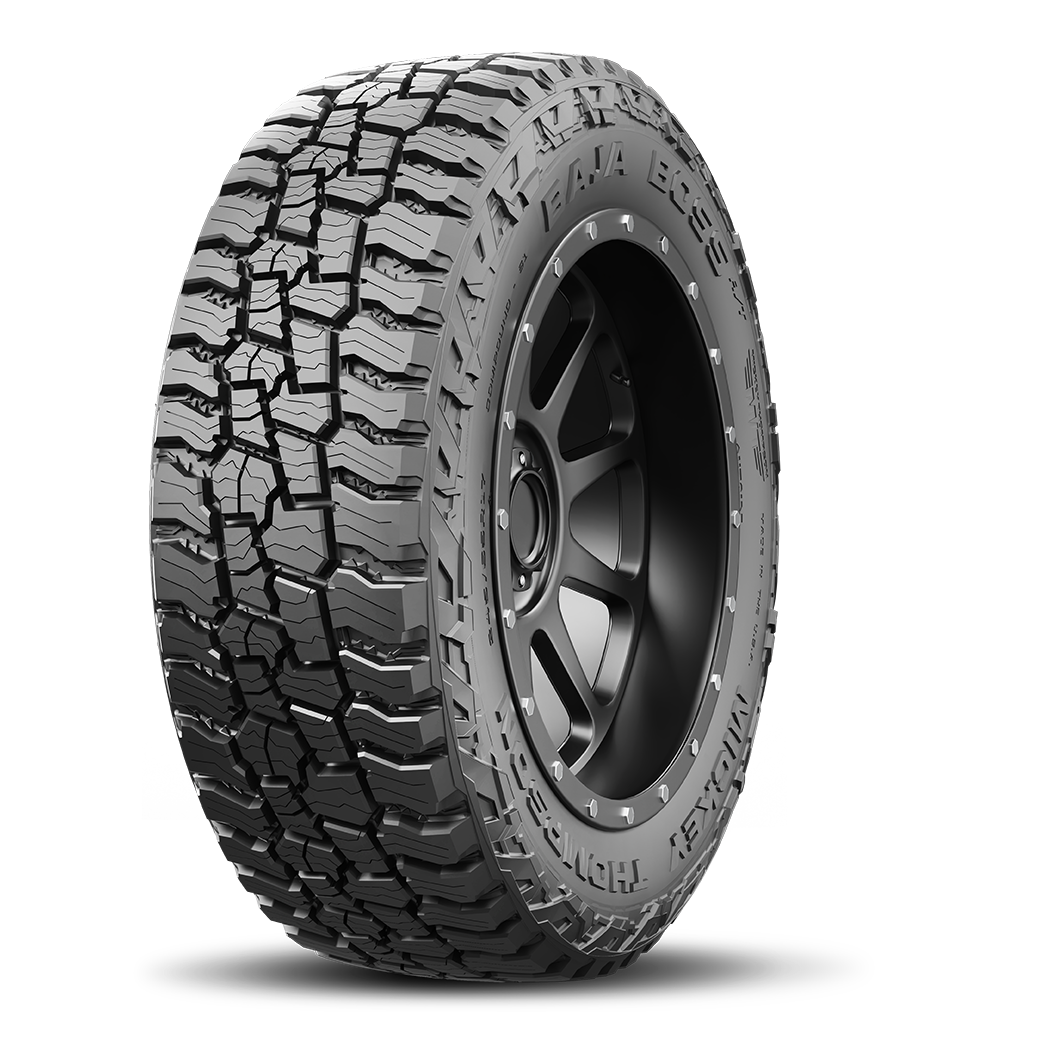
The first thing you’ll notice about the Baja Boss tires is their aggressive tread pattern. But these tires are more than just rugged looks. Mickey Thompson designed them with serious technology for off-roading and all-terrain driving. The tires come in two main types: Baja Boss M/T (Mud Terrain) and Baja Boss A/T (All Terrain). Each has a different focus, but both share some advanced features.
- PowerPly XD Construction: A special angled third ply adds extra strength and helps prevent punctures.
- Silica-Reinforced Compound: This makes the tires last longer and improves wet grip.
- Stone Ejector Ribs: These help throw out stones, so they don’t get stuck and damage the tire.
- SideBiters: Raised rubber on the sidewall gives extra grip in mud and protects against sharp rocks.
- Noise-Reducing Tread: Despite their aggressive look, the tread is designed to cut down on road noise.
Many off-road tires force you to choose between off-road grip and on-road comfort. The Baja Boss tries to balance both.
Real-world Performance: How Do They Handle?
You can read about features all day, but what matters is how these tires work in real life. Let’s look at their performance across different surfaces.
Off-road (mud, Rocks, Sand)
The Baja Boss M/T is made for serious mud and rock crawling. Its deep, open tread cleans itself quickly. Drivers often report that these tires bite into soft mud and pull vehicles out even when others get stuck. The PowerPly XD construction means fewer sidewall cuts on sharp rocks. In rocky trails, the SideBiters give extra grip, letting you climb with confidence.
The Baja Boss A/T isn’t as extreme as the M/T, but it handles dirt, gravel, and sand impressively. It’s a solid choice if you mix off-road fun with highway driving.
On-road (daily Driving, Wet And Dry)
One common complaint about mud tires is road noise and rough handling. Here, the Baja Boss surprises many people. The tread blocks are shaped to reduce noise, so you can use these tires for daily commutes. They aren’t as quiet as pure highway tires, but for an aggressive off-road tire, the comfort is impressive.
On wet pavement, the silica compound helps the Baja Boss grip well, reducing the risk of sliding. Braking distances are shorter than many other mud or all-terrain tires.
Snow And Ice
The Baja Boss tires have the “Three-Peak Mountain Snowflake” (3PMSF) rating on some sizes, which means they meet a standard for severe snow service. In deep snow, the open tread pattern helps keep you moving. On ice, no all-terrain or mud tire matches a true winter tire, but the Baja Boss gives reasonable traction for winter adventures.

Credit: koritastiresinc.com
Comparing Baja Boss To Other Off-road Tires
Many buyers wonder how the Baja Boss stacks up against other popular choices like the BFGoodrich All-Terrain T/A KO2, Nitto Ridge Grappler, or Goodyear Wrangler Duratrac. Here’s a simple comparison:
| Tire Model | Strength | Weakness | Price Range (USD) |
|---|---|---|---|
| Mickey Thompson Baja Boss M/T | Extreme mud & rock grip, strong sidewalls | Heavier than some, slightly less fuel efficient | $320–$520/tire |
| BFGoodrich All-Terrain T/A KO2 | All-rounder, long tread life | Not as aggressive in deep mud | $260–$390/tire |
| Nitto Ridge Grappler | Quiet on-road, good off-road mix | Less grip in thick mud | $290–$470/tire |
| Goodyear Wrangler Duratrac | Great snow traction, versatile | Wears faster on pavement | $250–$450/tire |
The Baja Boss sits at the high end for off-road grip, especially in mud and rocks. It’s heavier than some competitors, which can slightly reduce fuel economy. However, the strong construction means better durability for rough terrain.
Durability And Longevity
One area where buyers want clear answers is: How long do Baja Boss tires last?
Mickey Thompson’s silica-reinforced compound is made to handle tough conditions. Most users report 35,000 to 50,000 miles from a set, depending on driving style and rotation habits. Aggressive off-roading or carrying heavy loads can lower this number.
The thick tread and strong sidewalls mean fewer punctures and less chance of sidewall blowouts. But because these tires are heavier and stickier than regular all-terrains, they can wear a bit faster on smooth roads if you drive aggressively.
Rotating the tires every 5,000 miles and keeping proper air pressure helps them last longer. Also, balancing the tires is important—since their weight and aggressive pattern can cause vibrations if not balanced correctly.
Here’s a simple look at expected lifespan:
| Usage Type | Expected Lifespan |
|---|---|
| Mainly On-Road (Daily) | 45,000–50,000 miles |
| Mixed On/Off-Road | 38,000–45,000 miles |
| Heavy Off-Road (Mud, Rocks) | 30,000–38,000 miles |
Road Noise And Ride Comfort
Many people expect off-road tires to be loud and bumpy. The Baja Boss breaks this stereotype more than you might think. Thanks to noise-reducing tread blocks and advanced rubber compounds, the tires produce a lower hum than most mud-terrains.
On highways, you’ll notice a gentle, deep sound, but not the loud whine or vibration common with aggressive tires. At lower speeds, they feel comfortable, and the sidewalls absorb bumps well, making city driving smoother than expected.
One insight many beginners miss: Proper wheel balancing and regular tire rotation make a big difference in comfort and noise. Even the best tire will feel rough if it’s not maintained well.
Traction In Rain And Wet Roads
A common worry with off-road tires is hydroplaning—losing traction on wet pavement. The Baja Boss uses a silica-reinforced compound and wide grooves to move water away from the tire surface. This helps reduce the risk of sliding in rain.
In independent tests, the Baja Boss A/T scored above average for wet braking and cornering. The M/T version, while not as good as a highway tire, still offers reliable wet traction for a mud-terrain.
If you live in an area with heavy rain, the Baja Boss is a safer choice than some older mud tires, which often struggled in the wet.
Credit: koritastiresinc.com
Tread Design: What It Means For You
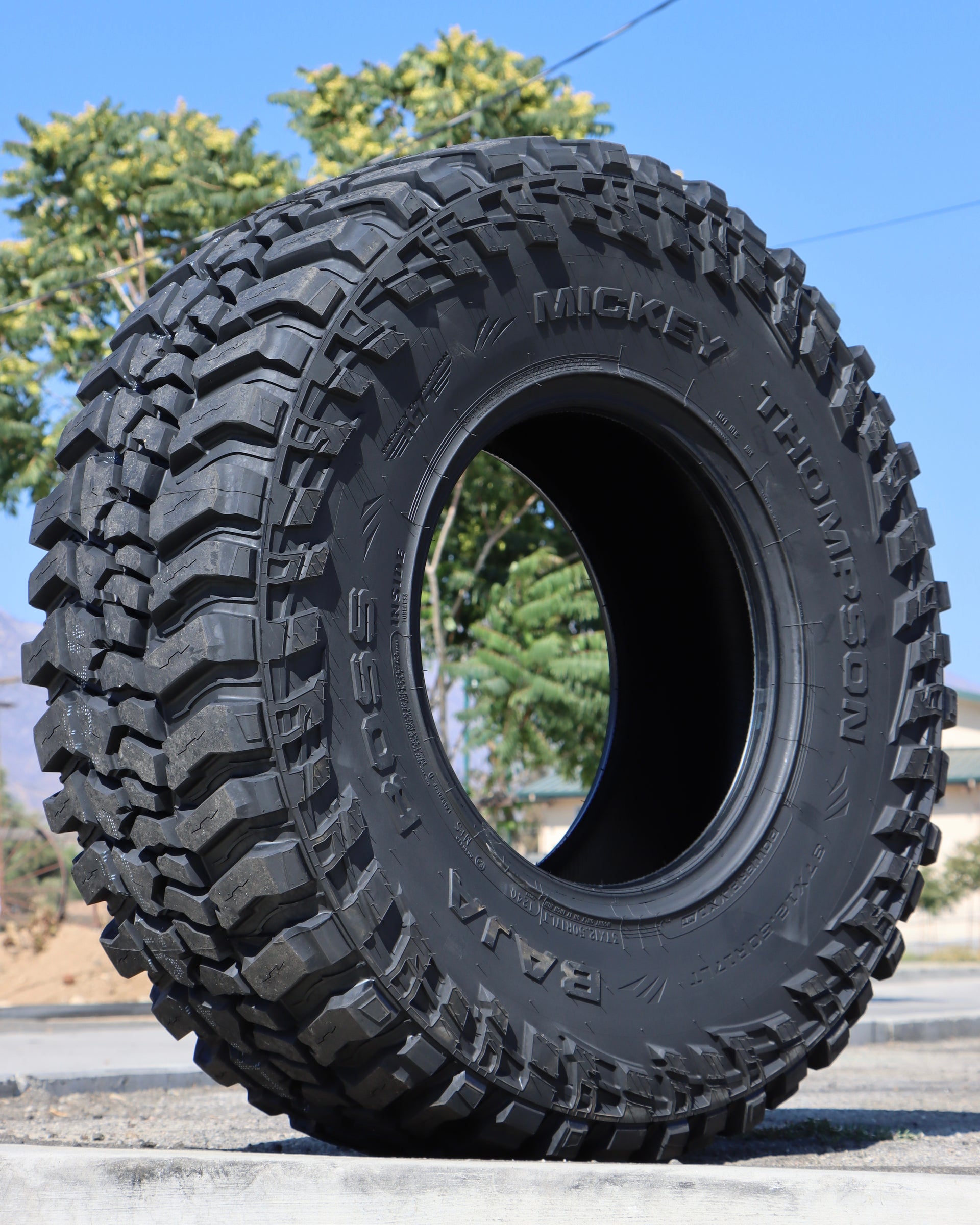
The design of the tread matters a lot for both grip and noise. The Baja Boss M/T uses asymmetrical tread patterns—meaning the inside and outside of the tire are not the same. This helps balance off-road grip with on-road stability.
The Stone Ejector Ribs between the tread blocks help keep stones from lodging in the tire, which can lead to punctures or noise. The SideBiters on the sidewall mean you get extra grip when you air down the tires for rock crawling or mud.
For people who often drive on gravel or sharp rocks, this design means fewer flat tires and a longer-lasting tread.
Sizes And Fitment Options
Mickey Thompson offers the Baja Boss in a wide range of sizes, from 15-inch to 24-inch wheels, covering everything from Jeeps and trucks to custom off-road rigs. There are also options for different load ratings, so you can choose a tire that matches your towing needs.
Some Baja Boss tires have the “LT” (Light Truck) label, meaning they’re built for heavier loads, while others are P-metric, made for lighter use. Always check your vehicle’s requirements before buying.
Here’s a quick look at available fitments:
| Wheel Size | Popular Applications | Load Ratings |
|---|---|---|
| 15″–17″ | Jeeps, older trucks, SUVs | Standard/Light Truck (C/D) |
| 18″–20″ | Modern trucks, lifted SUVs | Light Truck (E/F) |
| 22″–24″ | Custom builds, show trucks | Light Truck (F) |
Value For Money: Are They Worth The Price?
Baja Boss tires are not cheap. They are often priced higher than standard all-terrain or mud-terrain tires. However, you’re paying for advanced technology, strong construction, and a trusted name.
If you do serious off-roading or want a tire that can handle both mud and highway use, the Baja Boss offers real value. Cheaper tires might save you money now, but they often wear out faster or fail when you need them most.
For people who mostly drive on pavement, a less aggressive all-terrain tire might be a better value. But if you demand both performance and durability, the Baja Boss is hard to beat.
Common Problems And Drawbacks
No tire is perfect. Some users have noted:
- Heavier weight: The strong construction adds weight, which can lower fuel economy.
- Price: Costs more than many competitors.
- Road feel: Some drivers notice a firmer ride, especially when the tires are new.
- Availability: Certain sizes can be hard to find during high demand.
A non-obvious insight: Heavier tires may require upgraded suspension components if you’re switching from lighter stock tires. Always check your vehicle’s limits.
Who Should Buy Baja Boss Tires?
The Baja Boss is ideal for:
- Serious off-roaders: If you tackle mud, rocks, and rough trails often.
- Adventurers: People who tow, camp, or overland in remote areas.
- Drivers wanting a tough look: Even if you don’t off-road often, these tires give a rugged appearance.
- Mixed-use drivers: Those who want one tire for both work and play.
If you rarely leave paved roads, you might find these tires overkill and a quieter, longer-lasting all-terrain tire may suit you better.
What Owners Say: Real User Experiences
Reviews from forums and social media show that most owners are happy with their Baja Boss tires. They praise the strong grip in mud, confidence on rocks, and surprising comfort on the highway. Some mention a small drop in fuel economy, but most feel it’s worth the trade-off for the performance.
A common theme is the tires’ ability to self-clean in mud—throwing off debris so you don’t lose traction. People who drive in deep snow or soft sand also report good results, especially when aired down for more surface contact.
One non-obvious tip: Airing down the tires (lowering tire pressure) for off-road use makes a big difference. It increases the footprint and lets the SideBiters work better, but always air back up before driving at highway speeds.
Credit: www.mickeythompsontires.com
Frequently Asked Questions
Are Mickey Thompson Baja Boss Tires Good For Daily Driving?
Yes, especially the Baja Boss A/T. They are more comfortable and quieter than many mud-terrain tires. Road noise is low for such an aggressive tread, and wet traction is reliable. The M/T is more focused on off-road, but can still handle daily use with some extra noise and a firmer ride.
How Do Baja Boss Tires Perform In The Snow?
The Baja Boss tires perform well in deep snow due to their open tread. Some sizes have the 3PMSF rating, meaning they meet severe snow standards. However, on ice, dedicated winter tires will always be safer. For most winter conditions, the Baja Boss is a strong choice.
What Is The Expected Lifespan Of Baja Boss Tires?
Most drivers get 35,000 to 50,000 miles from a set, depending on use. Regular rotation and proper inflation help maximize lifespan. Heavy off-roading will wear them faster, but their strong construction resists punctures and sidewall damage.
Are Baja Boss Tires Worth The Price?
If you need off-road performance and durability, yes. They cost more than basic all-terrain tires but give better grip in mud, rocks, and snow. For mostly highway driving, a less aggressive tire may be a better value.
Where Can I Find More Information About Mickey Thompson Tires?
You can visit the official Mickey Thompson website for more details, specs, and authorized dealers: Mickey Thompson Tires.
Mickey Thompson Baja Boss tires are a top choice for drivers who want both serious off-road power and daily comfort. They’re not the cheapest option, but their balance of durability, traction, and technology makes them stand out. If you want confidence on every surface, these tires are worth considering for your next adventure.