Choosing the right tire size for your vehicle is not a simple decision. When you compare 33-inch, 35-inch, and 37-inch tires, it’s easy to get lost in numbers, specs, and opinions. Each tire size brings changes to how your vehicle looks, drives, and handles different terrains. Whether you are thinking about off-roading, daily driving, or a mix of both, understanding the real impact of each tire size is crucial before you spend your money and time.
This guide breaks down the differences between 33, 35, and 37-inch tires in detail. We’ll look at 33 specific factors, from ground clearance to handling, fuel economy, and cost, to help you make a confident decision. You’ll also find insights most beginners miss—like how tire size affects your transmission or insurance—and practical examples from real-world drivers.
By the end, you’ll know exactly what to expect from each tire size, and which one fits your needs best.
1. Ground Clearance
Ground clearance is the distance between the lowest part of your vehicle and the ground. Bigger tires, like 35-inch and 37-inch, raise your vehicle higher. This is helpful when driving over rocks or deep ruts. For example, 33-inch tires might add about 1 inch of clearance over factory tires, while 37-inch tires can add up to 2 inches more. However, too much lift can make your vehicle less stable on the road.
2. Off-road Performance
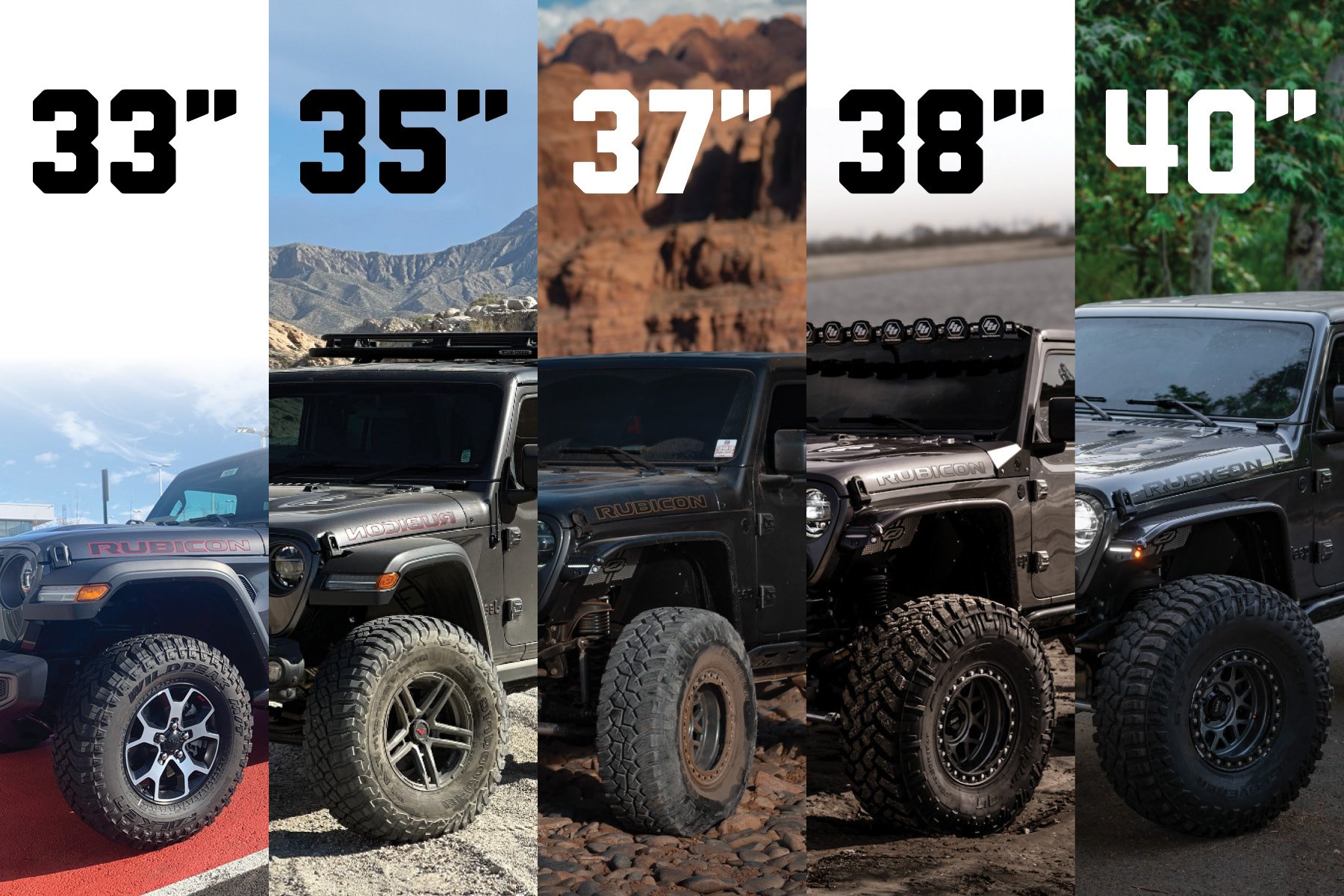
Off-road enthusiasts often choose larger tires for better traction and ability to handle rough terrain. 37-inch tires roll over obstacles more easily than 33-inch tires, which can get stuck more often. But, bigger tires may require suspension modifications to avoid rubbing against the fenders.

Credit: www.discountedwheelwarehouse.com
3. On-road Comfort
33-inch tires usually offer the best on-road comfort. They keep the ride smooth, steering light, and road noise low. 35-inch and 37-inch tires are heavier and can make the ride stiffer, especially if your vehicle’s suspension isn’t upgraded to match the larger size.
4. Fuel Economy
Bigger tires are heavier and have more rolling resistance. This means your engine works harder, and fuel economy drops as tire size increases. Many drivers report a loss of 2-4 miles per gallon (mpg) when moving from 33s to 37s. For daily drivers, this can add up to hundreds of extra dollars spent each year.
5. Speedometer And Odometer Accuracy
When you install larger tires, your speedometer and odometer will show lower numbers than your real speed and distance. This happens because the bigger tires cover more ground with each rotation. For example, if you switch from 33s to 37s, your speed could be off by as much as 10%. You can recalibrate your speedometer using a tuner or programmer.
6. Acceleration And Braking
33-inch tires are lighter and easier to spin, giving you faster acceleration and shorter braking distances. 37-inch tires are heavier and take more effort to turn, slowing your acceleration and making your brakes work harder. This is especially important if you carry heavy loads or tow trailers.
Credit: metalcloak.com
7. Transmission And Gearing
Larger tires put more strain on your transmission and change your vehicle’s gear ratio. This can cause your engine to work outside its optimal range, leading to sluggish performance. If you upgrade to 35-inch or 37-inch tires, you may need to re-gear your axles to restore lost power and efficiency.
8. Tire Wear And Lifespan
Heavier tires, like 37-inch models, tend to wear out faster if your suspension and alignment aren’t set up correctly. 33-inch tires usually last longer because they put less stress on your vehicle’s components. Rotating your tires often can help extend their life, especially with bigger sizes.
9. Suspension And Lift Requirements
You can often fit 33-inch tires with little or no suspension lift. Moving to 35s may require a 2-3 inch lift, while 37s often need 4 inches or more. Lifting your vehicle adds cost and complexity, and may affect handling. Always check your vehicle’s specs before choosing a tire size.
10. Wheel Well Clearance
Wheel wells are the spaces above your tires. Bigger tires need more room to move, especially when turning or going over bumps. 37-inch tires can rub against fenders or suspension parts if your wheel wells aren’t modified, leading to damage or unsafe driving.
11. Turning Radius
Larger tires can reduce your turning radius, making your vehicle less agile in tight spaces. 33-inch tires usually keep your original turning ability, but 35s and 37s might require more steering effort and wider turns, especially in parking lots or on narrow trails.
12. Steering Components
Heavier tires add stress to your steering system. 37-inch tires can cause premature wear on tie rods, ball joints, and the steering box. Upgrading these components is often necessary for reliability and safety with bigger tires.
13. Insurance Impacts
Some insurance companies consider larger tires a modification that increases risk. 37-inch tires may raise your premiums or require you to declare the upgrade. Failing to notify your insurer can lead to denied claims after an accident.
14. Legal And Inspection Issues
In some states or countries, installing tires larger than a certain size is illegal or requires an inspection. 37-inch tires are more likely to attract attention from law enforcement or fail annual safety checks. Always check local laws before making changes.
15. Cost Of Tires
The price of tires increases with size. 33-inch tires typically cost less, often around $150-200 each. 35-inch tires can range from $250-350, while 37-inch tires may cost $400 or more per tire. The total cost for a set of four 37s can easily exceed $1,600.
16. Availability And Selection
You’ll find a wider selection of brands, treads, and prices in the 33-inch size. As you go up to 35s and 37s, options become more limited and prices climb. Some tire shops may have to special-order 37-inch tires, leading to longer wait times.
17. Wheel Size Compatibility
Larger tires often require bigger or wider wheels. 33-inch tires can fit most factory wheels, but 35s and 37s may need aftermarket wheels with different offsets to prevent rubbing. This adds to the overall cost and complexity of the upgrade.
18. Ride Quality
33-inch tires offer the smoothest ride on pavement, with less vibration and noise. 37-inch tires can feel bumpy, especially at highway speeds. If comfort is a priority, stick with 33s or choose softer suspension components with bigger tires.
19. Road Noise
Road noise increases with tire size and tread aggressiveness. 37-inch mud-terrain tires are the loudest, which can be tiring on long drives. 33-inch all-terrain tires are quieter and better for daily driving.
20. Load Capacity
Bigger tires usually have a higher load rating, which is good for heavy vehicles or towing. However, just installing larger tires does not increase your vehicle’s legal carrying capacity. Always check the load index on the tire sidewall.
21. Towing Performance
Towing with bigger tires can be challenging. 37-inch tires reduce torque at the wheels, making it harder to pull trailers or boats. You may need to re-gear your axles to restore lost towing power.
22. Appearance And Style
Many people choose larger tires for their aggressive look. 37-inch tires fill the wheel wells and give your vehicle a tough, off-road-ready stance. 33-inch tires look closer to stock and are less attention-grabbing.
23. Mud, Sand, And Snow Performance
Bigger tires offer more surface area, helping you float over mud, sand, or snow. 37-inch tires excel in deep mud and loose sand, while 33-inch tires can dig in and get stuck more easily. However, tire tread design matters as much as size for these conditions.
24. Spare Tire Storage
A larger spare tire can be difficult to store. 37-inch spares may not fit in the stock location and can be very heavy to lift. Some drivers use a smaller spare and drive carefully to the nearest shop if needed.
25. Axle And Drivetrain Stress
Heavier tires increase stress on your axles, driveshafts, and differentials. 37-inch tires can cause premature failure if your drivetrain isn’t upgraded. 33-inch tires are less likely to cause problems with factory parts.
26. Speed And Highway Driving
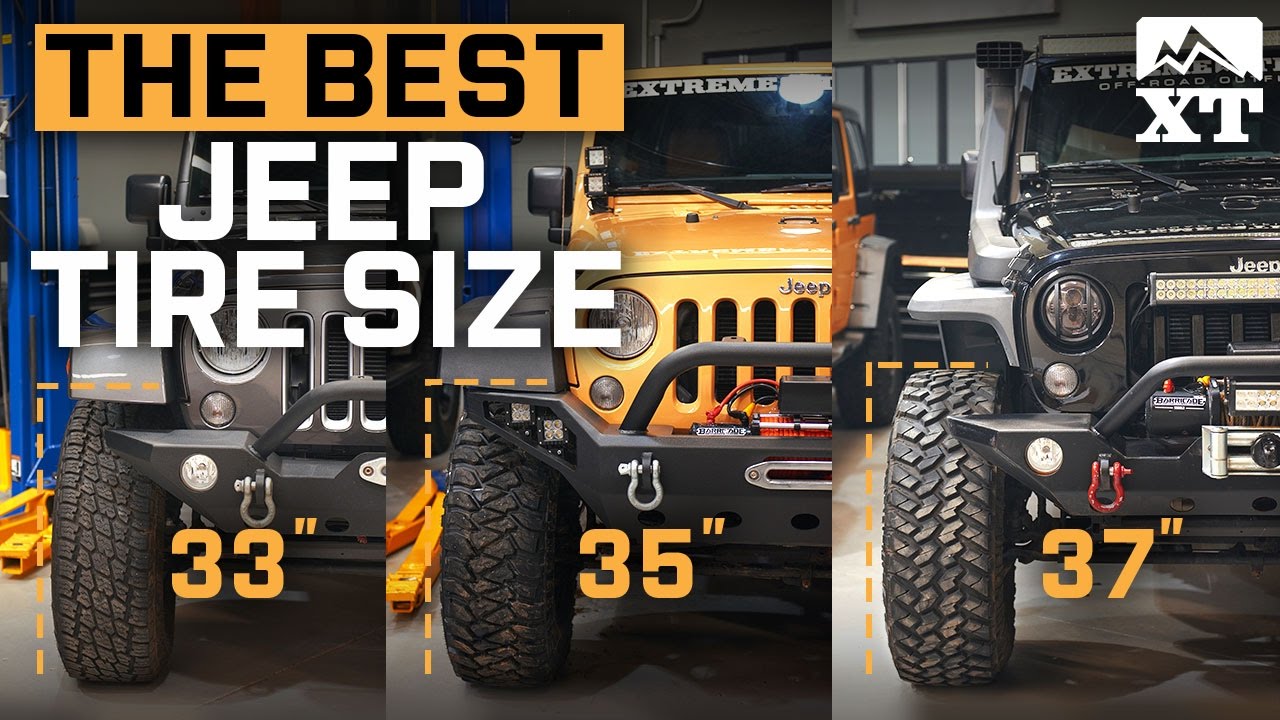
33-inch tires are best for highway speeds. 37-inch tires can cause vibrations and make your vehicle feel unstable at 70 mph or faster, especially if not balanced correctly. If you do a lot of highway driving, 33s or 35s are a safer choice.
Credit: www.youtube.com
27. Gas Mileage Example
A real-world example: A Jeep Wrangler with 33-inch tires averages about 18 mpg. Upgrading to 35s drops this to around 16 mpg, and 37s can bring it down to 14 mpg or less, depending on driving style and gearing.
28. Tpms (tire Pressure Monitoring System)
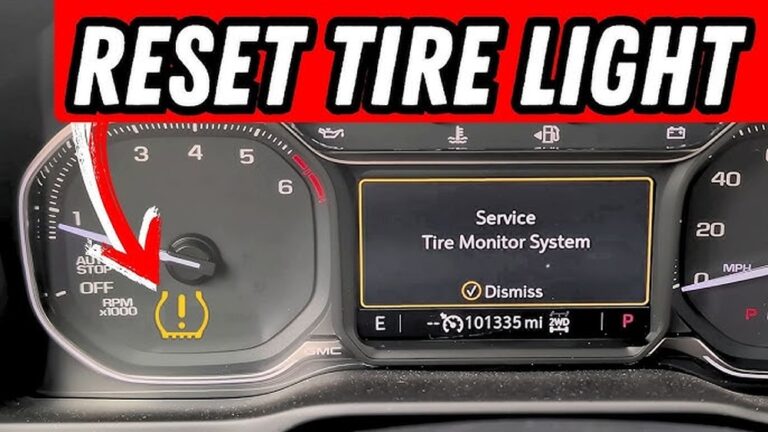
Some vehicles’ TPMS sensors may not work correctly with larger tires. You might get constant warning lights or need to reprogram the system. This is more common with 37-inch tires.
29. Warranty Issues
Some car manufacturers may void parts of your warranty if you install tires larger than recommended. 37-inch tires are especially likely to cause warranty headaches, so check your owner’s manual or ask your dealer.
30. Off-road Recovery
Heavier, bigger tires are harder to change if you get a flat. You’ll need a stronger jack and better recovery equipment to handle 37-inch tires on the trail. 33-inch tires are easier to manage in emergencies.
31. Weight And Unsprung Mass
Bigger tires add unsprung weight—mass not supported by your suspension. This can make your vehicle feel less responsive and cause parts to wear faster. 33-inch tires are lighter and easier on your suspension.
32. Tire Balancing
Larger tires are harder to balance. 37-inch tires often require more weights and may never run as smoothly as smaller tires. This can lead to vibrations at certain speeds, affecting comfort and safety.
33. Resale Value
Tire size changes can affect your vehicle’s resale value. Some buyers prefer factory specs, while others want an off-road setup. Going to 35s or 37s may narrow your pool of buyers and lower your resale price if the modifications aren’t done professionally.
—
Comparing 33 Vs 35 Vs 37 Inch Tires
To make things clear, here are three data tables comparing the main differences:
| Feature | 33-inch Tires | 35-inch Tires | 37-inch Tires |
|---|---|---|---|
| Ground Clearance | +1 inch (approx.) | +2 inches (approx.) | +3 inches (approx.) |
| Fuel Economy | Best | Moderate | Lowest |
| Cost per Tire | $150–$200 | $250–$350 | $400+ |
| Lift Needed | 0–2” | 2–3” | 4”+ |
| Suspension Wear | Low | Medium | High |
| Best Use | Daily driving | Mixed use | Extreme off-road |
Key Tip: Upgrading to larger tires is not just about ground clearance. Consider all related costs and modifications.
—
| Factor | 33″ | 35″ | 37″ |
|---|---|---|---|
| Speedometer Error | Minimal | Noticeable | Significant |
| Handling | Best | Good | Reduced |
| Braking Distance | Shortest | Longer | Longest |
| Legal Issues | Rare | Possible | Likely |
| Noise | Lowest | Moderate | Highest |
| Load Capacity | Standard | Higher | Highest |
—
| Upgrade Need | 33″ | 35″ | 37″ |
|---|---|---|---|
| Re-Gearing | No | Recommended | Essential |
| Steering Upgrades | No | Maybe | Yes |
| Suspension Mods | Minimal | Moderate | Major |
| TPMS Adjust | Rare | Possible | Likely |
| Insurance Impact | None | Possible | Likely |
| Warranty Risk | Low | Medium | High |
—
Which Tire Size Is Right For You?
Choosing between 33, 35, and 37-inch tires depends on your needs, driving habits, and budget. Here’s a quick summary:
- Choose 33-inch tires if you want a balance of comfort, fuel economy, and easy maintenance. They’re best for daily drivers who do occasional off-roading and don’t want to modify their suspension much.
- Pick 35-inch tires if you want more off-road ability but still drive on pavement often. Plan for some upgrades, like a small lift and possible re-gearing.
- Go for 37-inch tires only if you’re serious about off-roading and ready to spend on suspension, gearing, and steering upgrades. They look impressive and perform well in tough terrain but come with the highest costs and most changes to your vehicle.
Non-obvious insight: Many beginners focus only on tire size, forgetting the hidden costs—like new wheels, gear ratios, and insurance. Always budget at least 25% more than the tire price for these extras.
Another important tip: If you plan to sell your vehicle soon, stick with 33s or 35s. Extreme modifications like 37-inch tires can scare away buyers and lower resale value.
For more technical details on tire sizing and vehicle compatibility, visit the Wikipedia Tire Code Guide.
Frequently Asked Questions
What Is The Biggest Tire Size I Can Fit Without A Lift?
Most vehicles can fit 33-inch tires without a lift, depending on the make and model. Some trucks and SUVs can handle 35s with minor trimming, but 37s almost always require a lift and wheel well modifications.
Do Larger Tires Affect My Vehicle’s Warranty?
Yes, installing tires larger than what your manufacturer recommends can void parts of your warranty. Always check with your dealer before making upgrades, especially with 35-inch and 37-inch tires.
How Do I Fix My Speedometer After Installing Larger Tires?
You can recalibrate your speedometer using a programmer or tuner. Some shops offer this service. It’s important to do this to avoid speeding tickets and keep your odometer accurate.
Are Bigger Tires Better For Snow And Mud?
Bigger tires can help in deep snow and mud by offering more surface area. However, the tire tread pattern is just as important. A well-designed 33-inch mud-terrain tire may perform better than a bald 37-inch tire in tough conditions.
Will 37-inch Tires Ruin My Gas Mileage?
Yes, 37-inch tires almost always lower your gas mileage. You can expect to lose 2-4 mpg or more, depending on your vehicle, driving style, and whether you re-gear your axles.
—
Choosing the right tire size is about more than just looks. Take time to understand how each option changes your vehicle, budget for all the extras, and plan upgrades carefully. With the right setup, your vehicle will handle the trails—and the road—just the way you want.