Atlas Tires Vs Michelin
Choosing the right tire brand is one of the most important decisions you can make for your vehicle. Whether you drive daily or take long road trips, your tires affect safety, comfort, and fuel economy. When people compare Atlas Tires vs Michelin, they often look for the best value, performance, and reliability. But these two brands are very different in many ways. If you’re not a tire expert, it can be tough to know which one is right for you.
This article will give you a clear, honest comparison of Atlas Tires and Michelin. We will look at their history, product range, performance, price, and real-world user experience. You’ll also learn some facts that many beginners miss, like how tire warranties work and why tire compound matters.
By the end, you’ll have the knowledge to choose with confidence, not guesswork.
Brand Backgrounds And Reputation
Understanding where each brand comes from helps you see their strengths and focus.
Atlas Tires
Atlas Tires has a long history. The brand started in the United States in 1935 under the Atlas Supply Company. For decades, Atlas was known for making affordable, reliable tires, often sold at gas stations. In the 1990s, the brand was sold and later relaunched as a global tire company. Today, Atlas Tires are made by Linglong Tire, a large Chinese manufacturer with factories in China, Thailand, and Serbia.
Atlas offers a wide range of tires for passenger cars, SUVs, and light trucks. The brand targets drivers who want budget-friendly options. While Atlas is not as famous as Michelin, it’s popular in markets looking for value over premium features.
Michelin
Michelin is one of the world’s oldest and most respected tire companies. Founded in France in 1889, Michelin is known for innovation and high-quality products. The company has invented major technologies, like the radial tire and the run-flat tire. Michelin also owns other brands, such as BFGoodrich and Uniroyal.
Michelin’s reputation is built on performance, safety, and durability. Their tires are often used as original equipment by top carmakers, and they’re famous for winning races like Le Mans. Michelin is a truly global brand, selling in over 170 countries and manufacturing in several continents.
Key insight: Many drivers believe only expensive tires can be high-quality. In reality, both Atlas and Michelin can meet your needs—it depends on your priorities.
Product Range And Options
Atlas and Michelin both offer many types of tires, but their focus is different.
Atlas Tires Lineup
Atlas mainly sells all-season, all-terrain, and high-performance tires. Their products are divided into:
- Passenger Car Tires: Atlas Force HP, Atlas Green 4S
- SUV/Crossover Tires: Atlas Paraller 4×4, Atlas Force UHP
- Light Truck Tires: Atlas Priva M/T, Atlas Priva A/T
Atlas often uses basic but proven tread patterns. The goal is to provide reliable everyday performance at a lower cost.
Michelin Lineup
Michelin’s product range is much broader and includes:
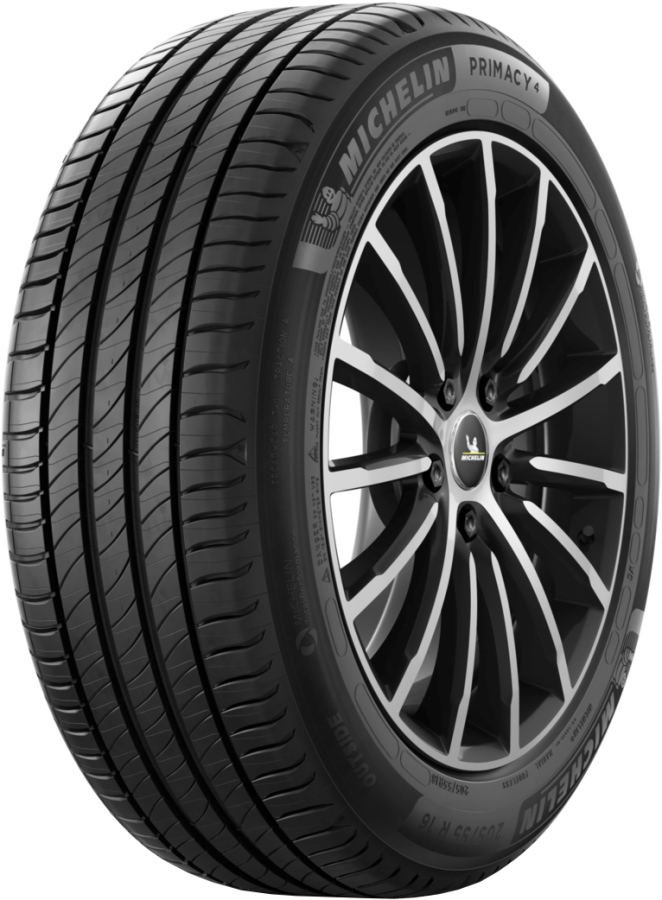
- Touring tires: Michelin Defender T+H, Michelin Primacy MXM4
- Performance tires: Michelin Pilot Sport series
- All-terrain and off-road tires: Michelin LTX A/T2, Michelin X-Ice Snow (winter tire)
- Fuel-efficient tires: Michelin Energy Saver A/S
- Specialty tires: Run-flat, racing, and even aircraft tires
Michelin focuses on new technologies, such as EverGrip (for wet traction) and Green X (for fuel savings). Their products are often updated with the latest tread compounds and design.
Non-obvious insight: Some Atlas tires are made with older tread designs that were once used by other brands. Michelin invests heavily in new technology every few years.

Credit: www.discountedwheelwarehouse.com
Performance: Grip, Handling, And Safety
Tire performance is more than speed—it’s about how the tire behaves in different situations. Let’s compare Atlas and Michelin in key areas.
Dry Road Performance
- Atlas tires usually provide adequate grip and cornering for normal city and highway driving.
- Michelin tires are known for precise handling and strong grip, even at higher speeds or during sudden turns.
Wet And Snow Performance
- Most Atlas tires are designed for general use. They work well in light rain but can lose grip in heavy storms or snow.
- Michelin uses advanced rubber compounds and tread patterns. Many Michelin models, like the CrossClimate2, are top-rated for wet and snow traction.
Braking Distance
Braking is a key safety factor. According to independent tests, Michelin tires often stop several feet shorter than budget brands like Atlas, especially on wet roads. This can mean the difference between stopping safely or hitting another car.
Comfort And Noise
Atlas tires are usually comfortable enough for daily driving. However, some models can get noisy as they wear down. Michelin invests in quiet ride technology, making their tires among the quietest on the market. This is important if you do a lot of highway driving.
Longevity And Wear
Michelin tires often last 50,000 to 80,000 miles (80,000–130,000 km), depending on the model. Atlas tires usually last 35,000 to 50,000 miles (56,000–80,000 km). Proper rotation and alignment matter for both brands.
Key insight: Some buyers focus only on initial grip and forget about how tires perform after 20,000 miles. Michelin’s premium compounds help the tire maintain performance as it wears.
Price: Value For Money
Cost is a big factor for many drivers. Atlas and Michelin are priced very differently.
Atlas Tires Pricing
Atlas targets the budget market. For most passenger cars, an Atlas tire costs $60–$90 per tire. For SUVs or light trucks, prices range from $80–$120. This makes them attractive if you need four new tires but have a tight budget.
Michelin Pricing
Michelin tires are in the premium price segment. For passenger cars, expect to pay $120–$180 per tire. SUV and truck tires can go from $150–$250 each. The higher price comes with better materials and technology.
Cost Comparison Table
Here’s a simple price comparison for popular models:
| Brand | Model | Type | Average Price (USD) |
|---|---|---|---|
| Atlas | Force HP | All-Season | $70 |
| Atlas | Priva M/T | All-Terrain | $110 |
| Michelin | Defender T+H | Touring | $150 |
| Michelin | Pilot Sport 4 | Performance | $200 |
Non-obvious insight: The cheapest tire is not always the most affordable over time. Michelin’s longer tread life can make it cheaper per mile, especially if you drive a lot.
Warranty And Support
Warranties show how much confidence a brand has in its product.
Atlas Tires Warranty
Atlas usually offers a limited mileage warranty of 40,000 to 50,000 miles on most passenger tires. Some models have road hazard protection, but coverage is basic. Warranty service depends on the retailer, and claims may require more paperwork.
Michelin Warranty
Michelin provides comprehensive warranties. Most passenger tires come with a 60,000–80,000 mile warranty and a 30-day satisfaction guarantee. Michelin also includes roadside assistance for flat tires in the first few years.
Warranty Comparison Table
Take a look at the differences:
| Brand | Mileage Warranty | Satisfaction Guarantee | Roadside Assistance |
|---|---|---|---|
| Atlas | 40,000–50,000 miles | No | Varies by dealer |
| Michelin | 60,000–80,000 miles | 30 Days | Yes (limited time) |
Key tip: Always check the fine print. Some warranties require you to rotate the tires at certain intervals to stay valid.
User Reviews And Real-world Experience
What Do Real Drivers Say About Atlas And Michelin Tires?
Atlas Tires Reviews
Most Atlas users praise the affordable price and decent performance for everyday driving. They work well for short commutes or as a quick replacement if you’re on a budget. Some users report faster tread wear and more noise after 20,000 miles.
A common comment is: “Atlas tires got me through two years without issues, but they were noisier as they aged.”
Michelin Reviews
Michelin users are often very loyal. They highlight the quiet ride, excellent grip in all conditions, and long tread life. Many say their Michelin tires lasted much longer than expected and performed well even with heavy use.
A typical review: “Michelin tires cost more up front, but I saved money because I didn’t need replacements as often. The ride comfort is the best I’ve tried.”
Real-world Example
Imagine a driver who commutes 40 miles per day, mostly on highways. If they buy Atlas tires, they might pay $320 for four tires, replacing them every 2–3 years. With Michelin, they’d pay $600–$700 but likely get 4–5 years of use, plus better ride quality and safety.
Over 8 years, the total cost could be very similar.
Non-obvious insight: Tire rotation, alignment, and keeping the right air pressure affect tire life more than brand alone. Many users blame the tire, but sometimes poor maintenance is the real problem.
Technology And Innovation
Michelin is famous for leading in tire technology. Atlas, while reliable, usually adopts older tech.
Michelin Innovations
- Radial tire: Invented by Michelin, now the world standard.
- EverGrip: Tread design that keeps wet grip as the tire wears down.
- Self-sealing tires: For small punctures, air loss is stopped automatically.
- Eco-friendly compounds: Some tires use sunflower oil and recycled materials.
Michelin also invests in research for electric cars and sustainable rubber.
Atlas Technology
Atlas focuses on tried-and-true designs. They use modern materials, but most technologies are second-generation—meaning they follow what brands like Michelin developed first. This helps keep costs low.
Key point: If you want the latest technology for safety, fuel economy, or electric vehicles, Michelin is ahead.
Environmental Impact
Today, many drivers care about the environment.
- Michelin is recognized for sustainable practices. They work to reduce carbon emissions in factories and use eco-friendly materials.
- Atlas follows industry standards but does not lead in green technology.
Michelin’s “Green X” tires are designed to lower rolling resistance, improving fuel economy and reducing emissions. This is important for hybrid and electric car owners.
Where Are They Made?
- Atlas Tires: Mainly made in China, Thailand, and Serbia. Some buyers prefer US-made products; Atlas is a global brand but not American-made anymore.
- Michelin: Factories in the USA, France, Spain, Thailand, and more. If “Made in USA” matters to you, Michelin has some options.
Non-obvious insight: Tire quality depends more on the company’s quality control than the country of origin.
Availability And Dealer Network
- Michelin is sold almost everywhere—major tire shops, car dealerships, online stores, and big retailers.
- Atlas is available at select dealers and online. You may need to check local shops or order online for the best price.
Michelin’s wide dealer network makes it easier to find service, support, and warranty help.
Credit: e-catalog.com
Common Mistakes When Choosing Between Atlas And Michelin
- Focusing only on price: Cheap tires can cost more in the long run if you replace them often or get poor fuel economy.
- Ignoring your driving style: If you drive fast or on rough roads, premium tires like Michelin may be safer.
- Not checking warranty details: Some warranties require specific maintenance or registration.
- Buying without checking tire date codes: Old stock can dry out and become unsafe, even if unused.
- Skipping professional installation: Proper mounting and balancing matter for safety and tire life.
Who Should Buy Atlas? Who Should Buy Michelin?
Atlas Is Best For:
- Drivers on a tight budget
- Cars used for short, low-speed trips
- Vehicles near the end of their life (not worth expensive tires)
- People who change cars often
Michelin Is Best For:
- Drivers who value safety and performance
- Long-distance commuters
- Families or people driving in tough weather
- Owners of newer or high-value vehicles
Key advice: Think about how you use your car, not just the brand name.
Expert Recommendations
If you have the budget and drive regularly, Michelin is the better long-term investment. You get safety, comfort, and peace of mind. However, Atlas is a solid choice for drivers who need affordable, no-frills tires for everyday use.
Before buying, always check:
- Your car’s recommended tire size and speed rating
- The type of driving you do (city, highway, off-road)
- Local weather conditions
- Warranty and service options from your dealer
If you want more technical details, visit the official Michelin website for the latest research and product releases.
Frequently Asked Questions
Which Brand Lasts Longer, Atlas Or Michelin?
Michelin generally lasts longer due to higher-quality rubber and better tread design. Many Michelin models last 60,000 miles or more, while Atlas tires average 40,000–50,000 miles.
Are Atlas Tires Safe?
Yes, Atlas tires meet safety standards for the US and Europe. They are safe for everyday driving if you maintain them properly. However, they may not perform as well as Michelin in extreme conditions like heavy rain or snow.
Do Michelin Tires Improve Fuel Economy?
Some Michelin tires are designed for better fuel efficiency, such as the Energy Saver or Green X series. Lower rolling resistance can add 1–2 mpg, especially on hybrids and small cars.
Is The Higher Price Of Michelin Justified?
For most drivers, the higher price of Michelin is justified by longer life, better safety, and more comfort. Over time, the extra cost can pay off through fewer replacements and better fuel economy.
Where Can I Buy Atlas And Michelin Tires?
Michelin tires are available at most tire shops, big retailers, and online. Atlas tires are less common but can be found at select dealers and online tire stores.
Making the right choice between Atlas Tires and Michelin depends on your budget, driving needs, and priorities. By understanding the real differences, you can choose the tire that fits both your car and your life. Safe travels!

Credit: www.youtube.com