When you look at tires, you might notice special letters on the sidewall. Two common ones are BSW and OWL. These letters are not random. They show the style of the tire’s lettering. It may seem like a small detail, but this choice can affect how your car looks, how easy the tires are to clean, and even resale value. If you’re buying new tires, understanding BSW vs OWL tires will help you make a smart choice. Let’s break down everything you need to know.
What Do Bsw And Owl Mean?
If you see BSW or OWL on a tire, it tells you about the color and style of the writing on the tire’s sidewall.
- BSW stands for Black Sidewall. This means the letters and numbers are the same color as the tire—black.
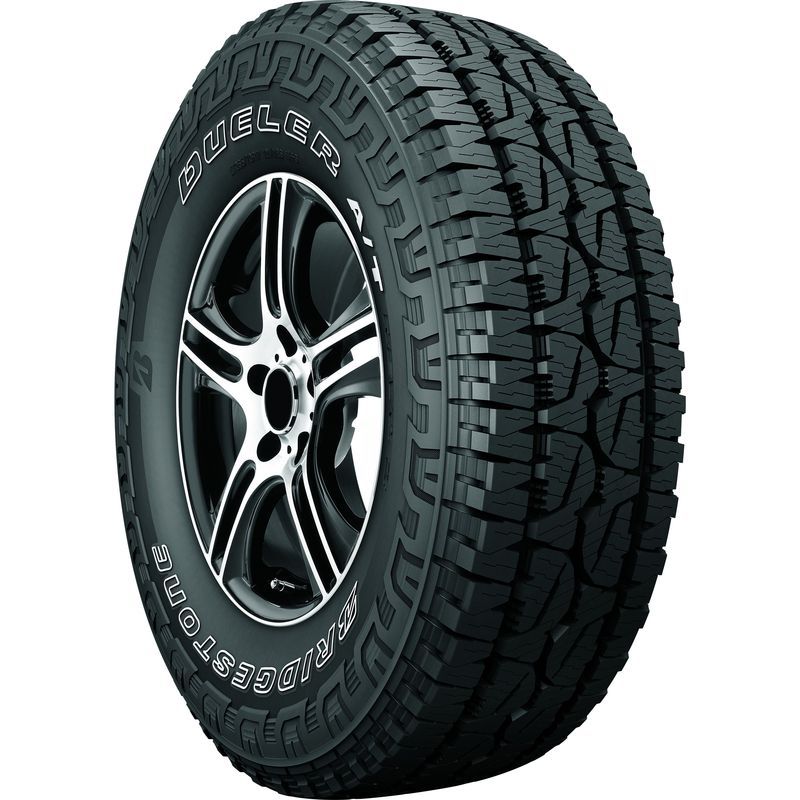
- OWL stands for Outline White Letters. Here, the letters (usually the brand or model) are white, but only the outline is colored, not the whole letter.
These styles are not just for looks. They can change how your car feels, how you maintain your tires, and even how your car is valued.
The History And Popularity Of Bsw And Owl Tires
The story of tire lettering goes back almost a century. In the early days, most tires had plain black sidewalls. As cars became more of a lifestyle statement, manufacturers started adding whitewall and white letter styles.
OWL tires became popular in the 1960s and 1970s, especially on muscle cars and trucks. The white letters helped brands stand out and gave vehicles a sporty look. Today, OWL tires are still seen on trucks, SUVs, and some performance cars.
BSW tires are more common now, especially for sedans and modern cars. Most people prefer the clean, understated look of black sidewalls. Luxury cars almost always use BSW.
How Bsw And Owl Tires Are Made
The manufacturing process for both types is similar, but the finishing steps are different.
- BSW tires: The rubber is molded and cured. The sidewall is smooth, with raised letters made from black rubber.
- OWL tires: The tire is made with a layer of white rubber under the black. During production, part of the black layer is removed to expose a thin white outline around the letters.
The OWL process is more complex and can cost a bit more. It’s also easier to damage the white outline during manufacturing or installation.
Visual Appeal: Which Looks Better?
The choice between BSW vs OWL tires is mostly about style. Each gives a different look.
- BSW tires: Clean, simple, and modern. They don’t draw attention. Most luxury and economy cars use BSW.
- OWL tires: Bold and sporty. The white outlines pop, especially on darker cars. Trucks, muscle cars, and SUVs often use OWL for a rugged or performance look.
If you want your vehicle to stand out, OWL is a good choice. If you prefer a subtle style, BSW is better.
Cleaning And Maintenance Differences
One detail many people miss is how tire style affects cleaning.
- BSW tires: Easy to clean. Dirt doesn’t show as much. You can use regular tire cleaners and brushes.
- OWL tires: White outlines attract dirt, brake dust, and road grime. Cleaning takes more effort. You need special cleaners for the white rubber, and sometimes scrubbing is required.
If you drive in muddy or dusty areas, OWL tires will need more attention. Not cleaning them well can cause the white outline to turn yellow or brown.
Tips For Cleaning Owl Tires
- Use a non-abrasive cleaner made for whitewalls or white letters.
- Scrub gently with a soft brush, focusing on the white outline.
- Avoid harsh chemicals—they can damage the rubber and fade the white color.
- Clean regularly, at least once a month, to keep the white outline bright.
Cost And Availability
Price is important for many buyers. OWL tires often cost a bit more because of extra materials and manufacturing steps. However, the price difference is usually small—often $10–$30 more per tire.
Availability depends on your vehicle type:
- BSW tires: Available for nearly all vehicles—sedans, hatchbacks, minivans, trucks, SUVs.
- OWL tires: Usually found on larger vehicles (trucks, SUVs, muscle cars) and some performance tires.
If you drive a common car, you’ll have more BSW options. For trucks and off-road vehicles, OWL choices are more common.
Performance Differences: Is There Any?
A big question: Do BSW vs OWL tires perform differently? The answer is no. The lettering style does not affect grip, handling, or safety. Performance depends on the tire’s tread, compound, and construction—not the sidewall lettering.
However, there are some practical points:
- OWL tires are often used on performance or off-road models, so they may have more aggressive tread patterns.
- BSW tires are common on highway or touring models, which focus on quiet ride and comfort.
It’s important to look at the tire’s specs, not just the sidewall style.
Resale Value And Market Trends
Some buyers care about how tires affect resale value. Here are some insights:
- BSW tires: Most used car buyers prefer them. They look clean, and appeal to a broad market.
- OWL tires: Appeal to niche buyers—truck lovers, muscle car fans, off-roaders. If your car is in this category, OWL tires may help resale. For regular cars, OWL can make resale harder.
Market trends show that BSW is the standard for most new cars. OWL is popular for trucks and specialty vehicles.
Bsw Vs Owl Tires: Which Vehicles Suit Each Style?
Choosing the right tire style depends on your vehicle and how you use it.
- Sedans and hatchbacks: BSW is almost always the best choice.
- Luxury vehicles: BSW for a clean look.
- Trucks and SUVs: OWL is common, especially on 4×4 and off-road models.
- Muscle cars: OWL for sporty appeal.
- Classic cars: Depends on the era. Many classics used OWL or full whitewall tires.
Some tire models offer both options, so you can match your style to your vehicle.
Comparison Table: Bsw Vs Owl Tires
Here’s a side-by-side look at the key differences.
| Feature | BSW (Black Sidewall) | OWL (Outline White Letters) |
|---|---|---|
| Appearance | Simple, modern | Sporty, bold |
| Maintenance | Low effort | Requires regular cleaning |
| Cost | Standard pricing | Slightly higher |
| Availability | Very common | Mainly for trucks, SUVs |
| Performance | No difference | No difference |
| Resale Value | Broad appeal | Niche appeal |
Credit: www.bigotires.com
Common Myths About Bsw And Owl Tires
Many people believe things about tire lettering that aren’t true. Let’s clear up some confusion.
- Myth 1: OWL tires are better for performance.
Fact: The lettering does not affect performance. It’s just style.
- Myth 2: BSW tires are always cheaper.
Fact: Sometimes the price is the same. It depends on the brand and model.
- Myth 3: OWL tires are only for trucks.
Fact: You can find OWL tires for muscle cars and some sports cars.
- Myth 4: BSW tires stay cleaner forever.
Fact: They hide dirt better, but still need cleaning.
- Myth 5: You can turn BSW tires into OWL by painting the letters.
Fact: Painting does not last long and can damage the tire.
How To Choose Between Bsw And Owl Tires
If you’re ready to buy new tires, here’s a step-by-step guide to help you decide:
- Check your car type. Sedans and luxury cars usually look best with BSW. Trucks, SUVs, and muscle cars often suit OWL.
- Think about your lifestyle. If you drive in dirty or muddy areas, BSW is easier to maintain.
- Consider resale value. If you plan to sell your car soon, BSW is safer.
- Match tire style to your vehicle’s color. OWL tires stand out on dark vehicles. On light cars, BSW looks cleaner.
- Check your tire options. Not all tire models come in both styles. Ask your dealer or check online catalogs.
- Look at price. Decide if the small extra cost for OWL is worth it for you.
Real-world Examples And Case Studies
Let’s look at how real drivers use BSW and OWL tires.
- Case 1: A Ford F-150 owner wanted a rugged look for his truck. He chose OWL tires. The white outline gave the truck a bold appearance, and he got compliments at off-road events. He had to clean the tires every week to keep the white outlines bright.
- Case 2: A Toyota Camry owner switched from OWL to BSW tires. She found the black sidewalls were easier to maintain, and her car looked more modern. When she sold the car, buyers liked the clean look.
- Case 3: A classic Mustang owner restored his car with OWL tires, matching the original style. This helped increase the car’s value, as collectors prefer authentic details.
These examples show how the tire lettering choice can impact both style and maintenance.
Environmental Impact Of Bsw Vs Owl Tires
Most people don’t realize that OWL tires require more materials and energy to make. The process of adding the white outline means extra layers of rubber and more steps in manufacturing. However, the difference is small. Both tire types are recyclable, and most manufacturers follow environmental standards.
If you care about sustainability, choose brands that use eco-friendly processes. This matters more than the lettering style.
Bsw And Owl Tires In Motorsports
Motorsports often use OWL tires for branding. Racing teams want their sponsors visible, so white letters help. But for everyday driving, the choice is personal.
Some tire manufacturers offer special OWL versions for race cars and off-road competitions. These tires are not different in performance, just in appearance.
Top Brands Offering Bsw And Owl Tires
Some brands are famous for their tire lettering styles. Here are a few:
- BFGoodrich: Known for aggressive OWL tires for trucks and SUVs.
- Goodyear: Offers both BSW and OWL options, especially for performance cars.
- Michelin: Mostly BSW, focusing on luxury and touring tires.
- Cooper: Makes OWL tires for off-road vehicles.
- Firestone: Both BSW and OWL, with classic styles.
If you want a specific style, check the brand’s catalog or ask your dealer.
Table: Popular Tire Models With Bsw And Owl Options
Here’s a look at some popular tire models and which sidewall styles they offer.
| Tire Model | BSW Option | OWL Option |
|---|---|---|
| BFGoodrich All-Terrain T/A KO2 | Yes | Yes |
| Goodyear Wrangler Duratrac | Yes | Yes |
| Michelin Defender LTX M/S | Yes | No |
| Cooper Discoverer AT3 | Yes | Yes |
| Firestone Destination A/T | Yes | Yes |
| Hankook Dynapro ATM | Yes | Yes |
| Pirelli Scorpion All Terrain Plus | Yes | Yes |
| Continental TerrainContact A/T | Yes | No |
Data Table: Bsw Vs Owl Tire Market Share (2023 Estimate)
To give you an idea of popularity, here’s an estimate of market share for each style in the US in 2023.
| Tire Type | Market Share (%) | Common Vehicles |
|---|---|---|
| BSW | 78% | Sedans, hatchbacks, luxury cars |
| OWL | 22% | Trucks, SUVs, muscle cars |
Credit: www.discountedwheelwarehouse.com
Two Non-obvious Insights Beginners Usually Miss
- Tire rotation can change the look: Some tires have OWL lettering on one side only. If you rotate tires and switch sides, your vehicle’s look can change. Plan your rotation so all OWL lettering faces outward if you want a consistent appearance.
- Lettering can affect tire warranty claims: Damaged white outlines (due to harsh cleaning or curb damage) may void the cosmetic part of your tire warranty. Always check warranty details before aggressive cleaning.
How To Care For Bsw And Owl Tires For Maximum Life
Proper care helps your tires last longer and look better.
- BSW tires: Wash with regular soap and water. Dry thoroughly to avoid water spots.
- OWL tires: Use a cleaner made for white rubber. Clean often, and avoid oily dressings that can stain the white outline.
- Avoid parking near chemicals: Oils or harsh cleaners can damage both BSW and OWL tires.
- Check tire pressure: Proper inflation keeps tires from wearing unevenly, which can damage sidewalls.
Can You Switch Between Bsw And Owl Tires?
You can switch styles if your tire model offers both. It’s important to:
- Match the tire size and model.
- Ask your dealer if your wheels and car can accept the new style.
- Remember that switching may change the look but not the performance.
Some drivers buy OWL tires and mount them with the white outline facing inward, making them look like BSW. This is a personal choice, but it’s best to ask a professional installer.
Bsw Vs Owl Tires: Final Recommendations
If you value easy maintenance, broad appeal, and a modern look, BSW tires are the best choice for most drivers. If you want a sporty, bold appearance, and don’t mind extra cleaning, OWL tires offer personality.
The most important factors are your vehicle type, local conditions, and personal style. Don’t forget to check tire specs, warranty, and ask about cleaning tips.
If you want more technical details on tire manufacturing and design, you can visit the Wikipedia Tire page.

Credit: thecarstuff.com
Frequently Asked Questions
What Is The Main Difference Between Bsw And Owl Tires?
The main difference is the sidewall lettering style. BSW tires have black letters and numbers, blending with the tire. OWL tires have white outlines around the letters, making them stand out.
Do Owl Tires Need Special Cleaning Products?
Yes. The white outline on OWL tires attracts dirt and stains. Use cleaners made for whitewalls or white letter tires. Avoid harsh chemicals, as they can damage the rubber and fade the white color.
Can I Switch From Bsw To Owl Tires On My Car?
Yes, if your tire model offers both options and fits your vehicle. Check with your dealer or installer to make sure switching is safe and won’t affect performance.
Are Owl Tires More Expensive Than Bsw Tires?
Usually, OWL tires cost a bit more because of extra materials and manufacturing steps. The difference is small—often $10–$30 more per tire.
Does The Tire Lettering Affect Performance Or Safety?
No. The lettering style (BSW or OWL) does not change how the tire handles, grips, or wears. Performance comes from the tire’s tread, compound, and build, not the sidewall letters.
Making the right tire choice is about matching your needs and style. Whether you pick BSW or OWL, focus on quality, proper care, and safety. Your tires are the only part of your vehicle touching the road—so choose wisely.