Choosing the right tires for your vehicle is more than just picking a brand or size. For many truck owners, RV drivers, and people hauling heavy loads, the ply rating is a critical factor. When you see terms like 10 ply or 12 ply tires, it can be confusing. What do these numbers really mean? And most important—how do they affect your safety, performance, and budget?
Many drivers believe more plies always mean better tires. But that’s not always true. Ply ratings today don’t directly refer to the number of physical layers in a tire. Instead, they are about strength and load-carrying ability. This article will break down the differences between 10 ply and 12 ply tires, cover ten essential aspects for comparing them, and help you decide which is best for your needs.
What Does Ply Rating Mean?
Before diving into 10 ply vs 12 ply, it’s important to understand ply rating. Originally, tires were made with multiple layers (or plies) of cotton fabric. More plies meant a stronger tire. Modern tires use stronger materials, so they need fewer layers, but the industry kept the old naming system. Now, ply rating is mostly about the load range and the tire’s ability to handle air pressure and weight.
For example, a 10 ply tire is usually a “Load Range E” tire, while a 12 ply tire is often called “Load Range F.” It’s more about the strength and durability than the actual layers inside.
Why Ply Rating Matters
Ply rating matters for several reasons:
- Carrying Capacity: Higher ply ratings mean the tire can carry more weight safely.
- Durability: More robust tires are less likely to be damaged by rough roads or heavy loads.
- Inflation Pressure: Higher ply tires can be inflated to higher pressures, giving more stability under load.
Choosing the wrong ply rating can lead to tire failure, unsafe driving, or unnecessary expense. Now, let’s look at the ten key areas where 10 ply and 12 ply tires differ.
1. Load Carrying Capacity
One of the main differences between 10 ply and 12 ply tires is how much weight they can safely carry. This is critical for trucks, trailers, and RVs.
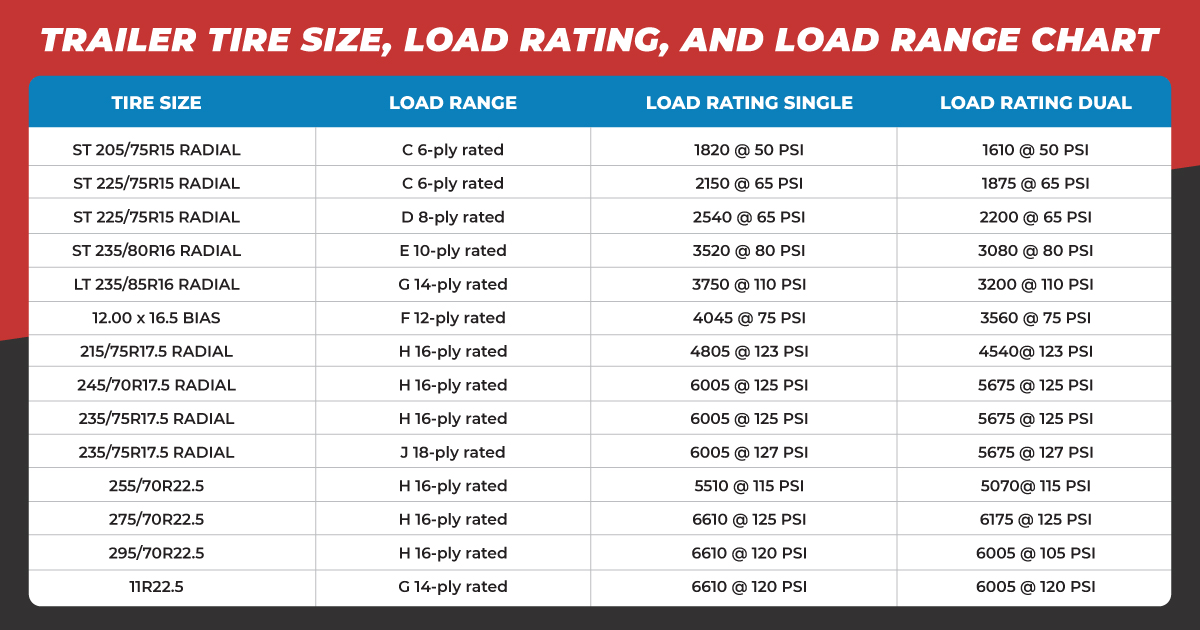
- 10 Ply (Load Range E): Usually supports up to 3,000–3,500 pounds per tire at maximum pressure.
- 12 Ply (Load Range F): Can handle about 3,750–4,100 pounds per tire.
This might sound like a small difference, but if you have a heavy trailer or a truck full of equipment, those extra pounds add up. For example, a dual rear wheel truck with 12 ply tires can safely carry an extra 1,200–2,400 pounds compared to 10 ply tires, depending on the setup.
Non-obvious insight: The stated load rating applies only at the maximum cold inflation pressure. If you run tires at lower pressure, their load capacity drops sharply.
2. Maximum Inflation Pressure
Another key difference is maximum inflation pressure.
- 10 Ply Tires: Typically rated for a maximum of 80 psi (pounds per square inch).
- 12 Ply Tires: Usually allow up to 95 psi.
Why does this matter? Higher pressure means the tire can support heavier loads without bulging or getting too hot. It also means stiffer sidewalls, which can improve stability, especially on tall vehicles like RVs.
However, higher inflation also means a harsher ride, as the tire absorbs less shock from bumps.
Practical tip: Always check the wheel’s maximum pressure rating. Some wheels cannot handle 95 psi, even if the tire can.
3. Tread Life And Durability
People often assume more plies mean a longer-lasting tire. That’s not always the case, but 12 ply tires are generally tougher.
- 10 Ply: Durable for most standard loads and regular driving.
- 12 Ply: Designed for more demanding conditions—heavy loads, rough roads, or commercial use.
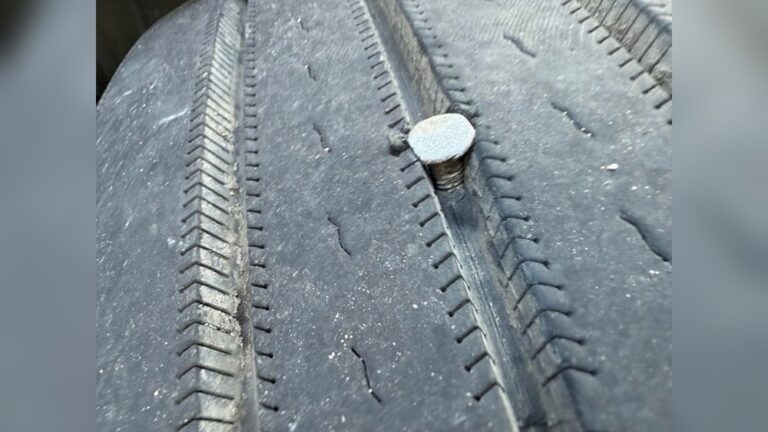
The thicker construction of 12 ply tires resists punctures and cuts better. For example, if you drive on gravel, construction sites, or off-road, 12 ply tires are less likely to suffer sidewall damage.
However, tread life depends more on the rubber compound, driving habits, and maintenance than just ply rating.
Beginner mistake: Assuming a higher ply rating automatically means a longer-lasting tire. Treadwear ratings are more relevant for daily driving.
4. Ride Comfort
Tire stiffness affects how your vehicle feels on the road.
- 10 Ply Tires: Offer a more comfortable, softer ride. They flex a bit more, which helps absorb bumps.
- 12 Ply Tires: Stiffer sidewalls and higher pressure mean a firmer, sometimes harsher ride.
If you drive mostly on highways and care about comfort, 10 ply tires are often better. For commercial trucks, where load stability is more important than comfort, 12 ply tires make sense.
Non-obvious insight: Vehicles with empty beds (like unloaded trucks) can feel especially rough with 12 ply tires.
5. Fuel Efficiency
Heavier, stiffer tires require more energy to roll. This is known as rolling resistance.
- 10 Ply: Lower rolling resistance, which may help slightly with fuel economy.
- 12 Ply: Slightly higher rolling resistance, especially when under heavy load.
The difference isn’t huge, but over thousands of miles, it adds up. If you drive mostly empty or carry light loads, 10 ply tires can help save fuel.
Practical example: A fleet study found that switching from 12 ply to 10 ply tires in light-duty trucks improved fuel economy by about 2–3%.
6. Tire Weight
The number of plies affects the physical weight of the tire.
- 10 Ply Tires: Lighter, easier to handle, and often cheaper to ship or install.
- 12 Ply Tires: Heavier by 5–8 pounds per tire, depending on size and brand.
Heavier tires add to your vehicle’s unsprung mass, which can affect acceleration, braking, and ride quality. For sports or light trucks, this extra weight may be a downside.
Key tip: When replacing tires, check if your spare tire carrier can handle the heavier 12 ply tire.

Credit: www.tirebuyer.com
7. Cost And Value
Price is a big factor for most buyers.
- 10 Ply Tires: Generally cost less, often $20–$50 cheaper per tire.
- 12 Ply Tires: More expensive due to extra materials and higher load rating.
But value is more than just price. If you need the extra load capacity, a blowout from overloading a 10 ply tire can end up costing much more in repairs and downtime.
Beginner mistake: Choosing the cheapest tire without considering load needs. Under-spec’d tires can lead to accidents or fines.
8. Common Applications
Where are 10 ply and 12 ply tires most often used?
- 10 Ply (Load Range E): Light trucks, ¾-ton pickups, many RVs, and utility trailers.
- 12 Ply (Load Range F): Medium-duty trucks, heavy equipment trailers, some large RVs, and commercial vehicles.
If you’re towing a small boat or moving furniture, 10 ply is usually enough. If you haul heavy machinery or a large fifth-wheel RV, 12 ply tires are a safer bet.
Practical example: Many travel trailer owners upgrade to 12 ply tires after experiencing repeated blowouts on 10 ply tires, especially on long cross-country trips.
9. Safety And Handling
Safety is a top concern when choosing tires. Higher ply ratings can mean better resistance to blowouts under heavy loads, but they also change how the vehicle handles.
- 10 Ply: Safe for moderate loads and normal driving conditions.
- 12 Ply: Safer for maximum loads, high temperatures, or rough conditions.
However, 12 ply tires can make steering feel heavier and less responsive, especially if you’re not carrying much weight. They also take longer to heat up, which can affect grip in cold weather.
Key safety tip: Never exceed the rated load or pressure of your tires. Always follow the manufacturer’s recommendations.
10. Availability And Sizing
Not all tire shops carry 12 ply tires, especially in less common sizes.
- 10 Ply Tires: Very widely available in most truck and trailer sizes.
- 12 Ply Tires: Fewer options, often special order, but becoming more common as heavy trailers and RVs get more popular.
Before you buy, check what sizes and brands are available for your vehicle. Some vehicles cannot fit 12 ply tires due to wheel width or fender clearance.
Non-obvious insight: Some tire brands label their heavy-duty tires with a “Load Range” letter instead of ply rating, so check the specs closely.
10 Ply Vs 12 Ply: Feature Comparison
To make the differences clearer, here’s a direct comparison of key features:
| Feature | 10 Ply (Load Range E) | 12 Ply (Load Range F) |
|---|---|---|
| Load Capacity (per tire) | 3,000–3,500 lbs | 3,750–4,100 lbs |
| Max Pressure | 80 psi | 95 psi |
| Ride Comfort | Softer | Firmer |
| Price (per tire) | Lower | Higher |
| Weight | Lighter | Heavier |
| Availability | High | Moderate |
Choosing The Right Ply Rating For Your Needs
Selecting between 10 ply and 12 ply tires depends on your specific needs. Here’s a practical way to decide:
- Check your vehicle’s gross vehicle weight rating (GVWR). Add up the maximum weight your vehicle and cargo can reach.
- Divide GVWR by the number of tires (for dual rear wheels, count both sides).
- Choose a tire with a load rating above this number for a safety margin.
- Consider your driving conditions. Off-road or rough roads? Lean toward 12 ply. Mostly smooth highways? 10 ply may be sufficient.
- Factor in frequency of heavy loads. If you carry maximum loads only rarely, 10 ply may be fine, but frequent heavy hauling justifies 12 ply.
Real-world Scenarios
Let’s look at how these choices play out in real life.
Towing A Medium-sized Boat
A typical boat trailer and boat weigh about 5,000 lbs. With two tires, each must handle at least 2,500 lbs. A 10 ply tire is usually enough, but if you occasionally load more gear, a 12 ply tire gives extra peace of mind.
Full-time Rv Living
If you live in a large fifth-wheel RV, loaded with water, supplies, and gear, you might be pushing the limits of 10 ply tires. Many full-time RVers upgrade to 12 ply tires to avoid blowouts, especially on long, hot road trips.
Construction Trucks
Trucks carrying heavy building materials or equipment often need the highest load rating available. 12 ply tires are common, and some trucks may even use higher ratings.
Light Commercial Vans
For delivery vans that rarely reach max payload, 10 ply tires provide a good balance of comfort, cost, and performance.
Common Myths About Ply Ratings
There are several myths about tire ply ratings:
- Myth: Higher ply rating always means a stronger tire.
- Fact: Tread design, material quality, and brand matter as much as ply rating.
- Myth: You should always upgrade to the highest ply available.
- Fact: Over-spec’d tires can give a harsh ride, cost more, and may not fit your wheels.
- Myth: All 10 ply tires are created equal.
- Fact: Actual load ratings can vary by brand and size, so check the sidewall.
The Impact Of Temperature And Terrain
Heat and road conditions can affect tire performance.
- High Temperatures: 12 ply tires handle heat better under heavy load.
- Rough Terrain: More plies mean better resistance to cuts and punctures.
But remember, even the toughest tire can fail if overloaded, underinflated, or damaged.
Maintenance Tips For High Ply Tires
To get the best life from your tires:
- Check air pressure regularly—at least once a month, and before long trips.
- Rotate tires every 5,000–7,000 miles.
- Inspect for damage after driving on rough roads.
- Don’t overload—even the strongest tire has limits.
Environmental Considerations
Heavier, higher-ply tires require more resources to make and recycle. If you rarely need the extra capacity, 10 ply tires may be a greener choice. Some brands offer low-rolling-resistance tires to help offset this.
The Role Of Tire Technology
Modern tires use advanced materials like nylon, polyester, and steel belts. This means even 10 ply tires are much stronger than older designs. Always check the tire’s manufacturing date—newer models often include safety upgrades.
For more on how tire technology has evolved, see Wikipedia’s Tire article.
Credit: www.tires-easy.com
Popular Brands And Models
Some well-known brands for high-ply tires include:
- Michelin Defender LTX M/S
- Goodyear Endurance
- Bridgestone Duravis
- Firestone Transforce
- BFGoodrich All-Terrain T/A KO2
Each offers both 10 and 12 ply options in popular truck and trailer sizes.
How To Read A Tire Sidewall
If you’re unsure about your tire’s ply rating, check the sidewall. Look for:
- Load Range Letter (E or F)
- Maximum Load (in pounds or kilograms)
- Maximum Pressure (in psi or kPa)
For example, a sidewall may read: “LT245/75R16 Load Range E, Max Load 3042 lbs at 80 psi.”
Comparison Table: When To Choose Each Ply Rating
Here’s a quick reference for common uses:
| Use Case | 10 Ply Recommended? | 12 Ply Recommended? |
|---|---|---|
| Light Towing (boats, small trailers) | Yes | Optional |
| Heavy Towing (large RVs, machinery) | Sometimes | Yes |
| Daily Driving (unloaded trucks) | Yes | No |
| Commercial/Construction | Sometimes | Yes |
| Off-Road or Rough Terrain | Sometimes | Yes |
Frequently Asked Questions
What Does ‘ply Rating’ Actually Mean In Modern Tires?
Ply rating is a measure of a tire’s strength and load-carrying ability, not the number of physical layers. Modern materials allow fewer layers to provide the same strength as older, higher-ply tires. For example, a 10 ply rating means the tire can handle as much pressure and weight as a 10-layer cotton tire from the past.
Can I Replace My 10 Ply Tires With 12 Ply Tires?
Yes, if your wheels and vehicle allow it. Make sure your wheels are rated for the higher pressure (usually 95 psi), and that the extra tire weight and size fit your vehicle. Always match or exceed the vehicle manufacturer’s recommendations.
Are 12 Ply Tires Always Better For Heavy Towing?
Not always. While 12 ply tires carry more weight safely, they ride firmer and cost more. For occasional heavy towing, 10 ply tires may be fine if you stay below the maximum load. For frequent or maximum loads, 12 ply tires add safety.
How Do I Know If My Vehicle Needs 10 Ply Or 12 Ply Tires?
Check the vehicle’s door sticker or owner’s manual for the recommended tire load rating. Consider your typical cargo, trailer weight, and driving conditions. If you’re near the limit with 10 ply tires, upgrading to 12 ply is wise.
Do Higher Ply Tires Last Longer?
Not always. Tread life depends on the rubber compound, driving style, and maintenance. While 12 ply tires may resist punctures better, they don’t automatically last longer than 10 ply tires in daily use.
The choice between 10 ply and 12 ply tires comes down to your vehicle, load needs, and driving style. Understanding these differences helps you make a safer, more cost-effective decision—whether you drive for work or adventure.
Credit: opplehouse.com