How Fast Do Tires Wear Down? A Complete Guide
Most drivers don’t think about how quickly their tires wear down until there’s a problem—like slipping in the rain or failing a safety check. Yet, understanding tire wear is critical for safety, fuel efficiency, and saving money. If you’ve ever wondered how long your tires really last, what affects their lifespan, or how to slow down wear, you’re in the right place. Let’s break down this topic in clear, simple language, with helpful facts and real-world advice.
What Is Tire Wear And Why Does It Matter?
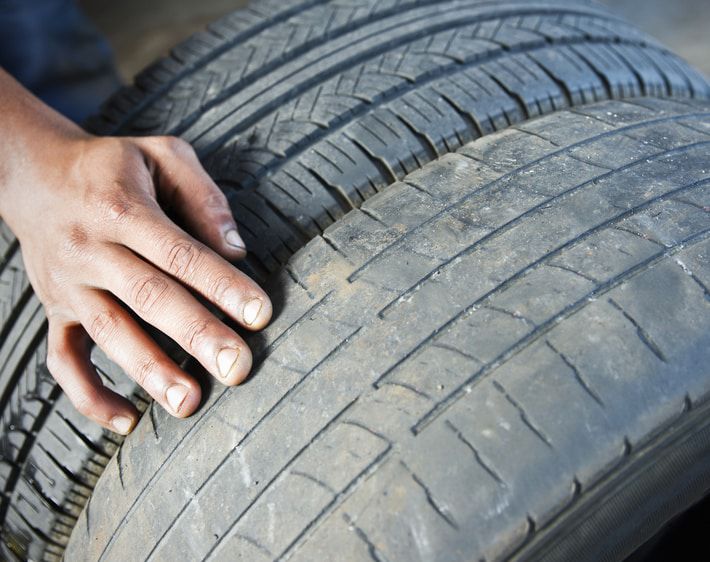
Tire wear refers to the gradual loss of tread on a tire. The tread is the patterned rubber part that touches the road. As you drive, friction causes the tread to get thinner. When it becomes too thin, your car loses grip, especially on wet roads. Worn tires can lead to longer stopping distances, more risk of blowouts, and even accidents.
Tires aren’t cheap, so knowing how fast they wear down helps you plan for replacements and avoid surprises. You’ll also drive safer and maybe even save on fuel.
Average Tire Lifespan: What Do The Numbers Say?
On average, most tires last between 40,000 and 60,000 miles (about 64,000–96,000 km). However, this is just a rough estimate. Some tires wear out in as little as 20,000 miles, while others can last over 80,000 miles. It depends on several key factors, including:
- Tire type (all-season, performance, winter, etc.)
- Driving habits
- Road conditions
- Maintenance (like tire rotation and balancing)
- Vehicle type and weight
Let’s look at some common tire lifespans based on type:
| Tire Type | Typical Lifespan (miles) | Notes |
|---|---|---|
| All-season | 50,000–70,000 | Balanced for daily use |
| Performance/Sport | 20,000–40,000 | Softer compound, more grip, wears faster |
| Winter/Snow | 30,000–50,000 | Special tread for cold, wears faster on dry roads |
| Truck/SUV | 40,000–60,000 | Heavier vehicles may reduce lifespan |
These are averages. Some drivers get more, some less. The real answer depends on how and where you drive.
Credit: www.tiresplus.com
Key Factors That Affect Tire Wear Speed
Many things change how fast your tires wear down. Some you can control; others, you can’t.
1. Driving Habits
How you drive makes a huge difference. Fast starts, hard braking, and quick turns all wear tires faster. If you drive gently—slow acceleration, smooth braking, careful cornering—your tires will last longer.
2. Road Surface
Smooth, paved roads are easy on tires. Rough, broken roads, gravel, or potholes speed up wear. If you often drive on poor roads, expect to replace tires more often.
3. Tire Pressure
Both overinflation and underinflation cause problems. Too much air makes the center wear out faster. Too little air means extra wear on the edges. Always check and keep the tire pressure at the level your car’s manual suggests.
4. Wheel Alignment And Balance
If your wheels are out of alignment, your tires will wear unevenly and much faster. The same goes for unbalanced tires—they cause vibrations and uneven tread loss. Regular alignment and balancing helps tires last their full lifespan.
5. Tire Type And Quality
Not all tires are equal. Premium tires often use better materials and last longer. Cheaper tires might save money at first, but can wear faster. Also, tires designed for performance or special conditions (like racing or winter) usually wear out quicker.
6. Load And Vehicle Type
Heavy vehicles or frequently carrying heavy loads puts more pressure on your tires. This extra weight speeds up the wear process, especially if you exceed your tire’s load rating.
7. Climate And Temperature
Heat is tough on tires. Hot climates or long highway drives in summer can make tires wear faster. Cold weather affects rubber too, but not as quickly as heat. Sunlight (UV rays) can also break down rubber over time, even if the car is parked.
8. Tire Rotation
Rotating tires (changing their position on the car) every 5,000–8,000 miles helps all four wear evenly. Skipping rotation usually means front tires wear out much sooner.
9. Driving Speed
The faster you drive, the hotter your tires get. This heat increases wear. High speeds also make small alignment or balance issues worse.
10. Tire Age
Even if you don’t drive much, tires age. Most experts suggest replacing tires every 6 to 10 years, no matter the tread depth, because rubber breaks down over time.
How To Measure Tire Wear
You don’t need to be a mechanic to check your tires. Here’s how to measure tire tread wear yourself:
Tread Depth Gauge
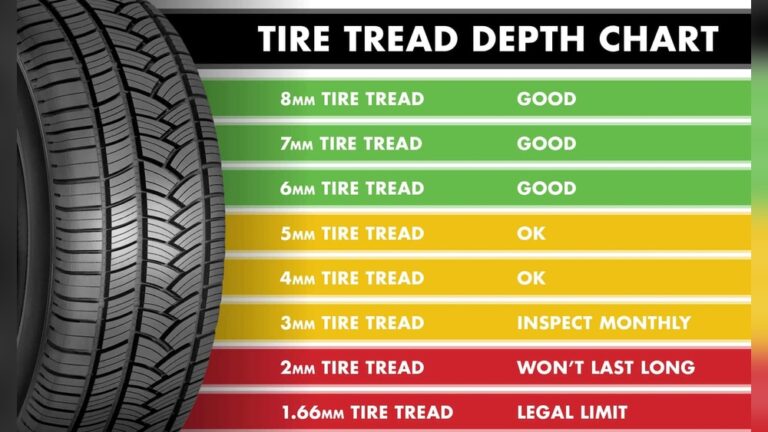
A simple tool called a tread depth gauge tells you exactly how much tread is left. New tires usually start with 10/32″ or 11/32″ (about 8–9 mm). When tread reaches 2/32″ (1.6 mm), it’s legally worn out in most places.
The Penny Test
A quick trick: put a penny into the tread, with Lincoln’s head upside down. If you see all of Lincoln’s head, your tread is too low—replace the tire.
Wear Bars
Most modern tires have small raised bars in the tread grooves. When the tread is worn down to these bars, it’s time for new tires.
How Fast Do Tires Wear Down In Real Life?
Let’s turn theory into reality with some real-world numbers.
Imagine you drive 12,000 miles per year (the US average). If your tires last 50,000 miles, you’ll need new ones every four years or so. But if you drive aggressively, skip rotations, or have alignment problems, you might only get two years.
Here’s a breakdown of how different factors can change tire lifespan:
| Condition | Estimated Lifespan (miles) | Notes |
|---|---|---|
| Gentle driver, regular maintenance | 60,000–80,000 | Maximizes tire life |
| Aggressive driver, no rotation | 20,000–30,000 | Very fast wear |
| Heavy loads, rough roads | 30,000–40,000 | Extra stress on tires |
| Perfect conditions (rare) | 80,000+ | Only with top tires and best care |
Signs Your Tires Are Wearing Out
Don’t wait until a tire fails. Watch for these warning signs:
- Low tread depth (less than 2/32″ or 1.6 mm)
- Uneven wear patterns (bald spots, one side worn more)
- Cracks, splits, or bulges in the sidewall
- Vibration while driving, especially at higher speeds
- Car pulls to one side (could mean alignment issue)
If you notice any of these, check your tires or ask a professional.
Common Mistakes That Make Tires Wear Faster
Many people accidentally shorten their tire’s life. Here are mistakes to avoid:
- Ignoring tire pressure: Even a small drop below recommended pressure can speed up wear.
- Skipping rotations: Always rotate tires on schedule, or you’ll replace them sooner.
- Overloading the car: Too much weight strains tires and can cause blowouts.
- Delaying alignments: Driving with bad alignment causes quick, uneven wear.
- Using the wrong tire type: For example, using winter tires all year makes them wear out fast in warm weather.
- Neglecting visual checks: Waiting too long to look at tires can lead to dangerous surprises.
A less obvious tip: Mixing old and new tires can lead to uneven wear and unpredictable handling, especially on all-wheel-drive vehicles. Always follow your car maker’s advice.
How To Make Your Tires Last Longer
You can’t stop tires from wearing out, but you can slow the process. Try these proven tips:
- Keep tires inflated to the recommended pressure (check monthly).
- Rotate every 5,000–8,000 miles.
- Balance and align wheels at least once a year or if you notice vibrations.
- Drive gently: Avoid hard starts, stops, and sharp turns.
- Avoid heavy loads unless necessary.
- Store unused tires in a cool, dry place out of direct sunlight.
- Check tread and sidewalls regularly for damage.
It’s smart to record when you buy new tires and note rotations or alignments. This helps spot patterns or problems early.

Credit: rnrtires.com
Myths And Non-obvious Insights About Tire Wear
Most people believe that tire wear is the same for everyone, but that’s not true. Here are a few less obvious facts:
- Front tires wear faster on front-wheel-drive cars because they handle both steering and most of the driving force. Rear tires usually last longer.
- Driving with low tread is riskier in rain than in dry weather. Hydroplaning (losing grip in water) happens much sooner with worn tires.
- Tire warranties don’t always match real life. Even if a tire has a 60,000-mile warranty, you may not get that much if you don’t follow the brand’s required maintenance (rotations, alignments, etc. ).
- Tire wear can reveal car problems. Uneven tread can signal suspension or alignment issues before you notice anything else.
When Should You Replace Your Tires?
Replace your tires when:
- Tread is 2/32″ or less (check with a penny or gauge)
- You see deep cracks, cuts, or bulges
- Tires are 6–10 years old (check sidewall date code)
- You notice persistent vibration or uneven wear, even after alignment
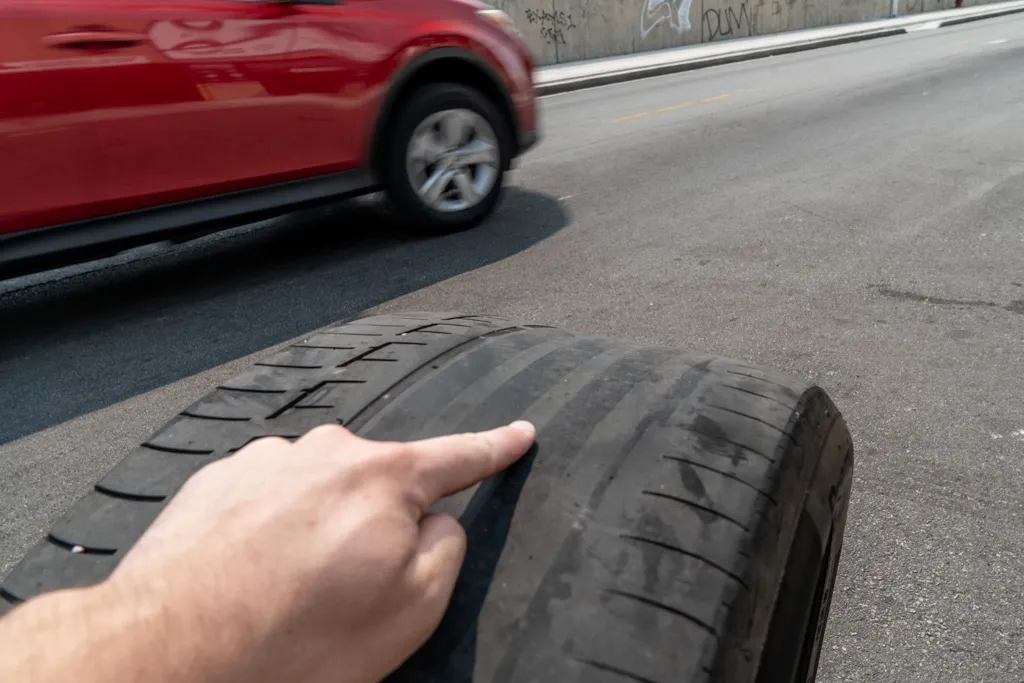
Never wait until a tire blows out. Worn tires are a risk to you and everyone on the road.
Credit: www.utires.com
Frequently Asked Questions
How Often Should I Check My Tires For Wear?
Check your tires at least once a month. Look for low tread, cracks, or bulges. Also, check before long trips.
Can Tire Wear Affect Fuel Efficiency?
Yes. Worn or underinflated tires increase rolling resistance, making your engine work harder. This means you burn more fuel.
Is It Safe To Drive On Worn Tires In Dry Weather?
Even in dry weather, worn tires have less grip, especially during emergency stops. It’s always safer to replace them before they reach the legal limit.
Do Expensive Tires Last Longer Than Cheaper Ones?
Often, premium tires use better materials and advanced designs, so they can last longer. But proper care is just as important as price.
Where Can I Find More Detailed Information On Tire Safety And Maintenance?
You can visit the National Highway Traffic Safety Administration for trusted advice on tire care, safety, and choosing the right tires.
Driving with good tires is one of the best ways to stay safe and save money. Knowing how fast tires wear down—and what you can do about it—means fewer surprises and more confident driving. Check your tires today, and take action if you see signs of wear.
Your car, your wallet, and your safety will thank you.