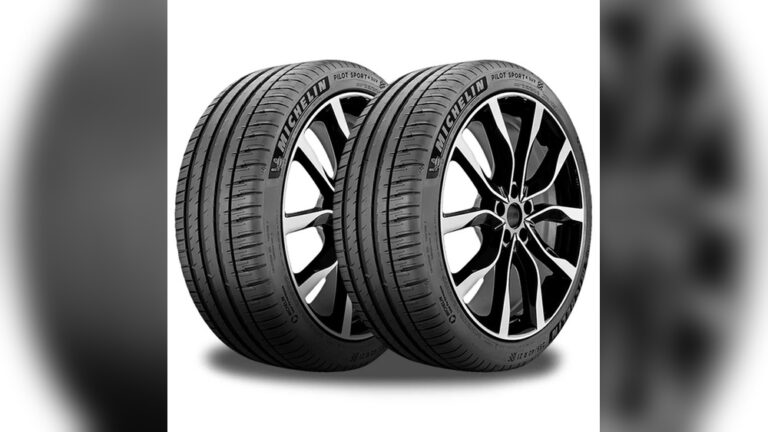
If you just bought new motorcycle tires, you might wonder if they feel slippery. Many riders talk about “breaking in” new tires. But is there a real risk? Or is it just a myth? Let’s look closely at why new motorcycle tires sometimes seem slippery, what causes this feeling, and how you can ride safely with fresh rubber.
Why Do New Motorcycle Tires Feel Slippery?
When you first install new tires, they often feel less stable than old ones. This is not just your imagination. New tire slipperiness is a real experience, especially for those who ride aggressively or lean hard into turns. The main reasons are:
- Mold release agents: Manufacturers use a chemical layer to help tires release from molds during production. This layer can stay on the surface when you get your tires.
- Smooth surface: Brand-new tires are very smooth, with no micro-abrasions. This means less grip compared to tires that have been used.
- Temperature sensitivity: New tires may not reach optimal temperature as quickly, especially on cold days.
These factors combine to create a slightly slippery feeling, especially in the first 50–100 kilometers (30–60 miles).
What Causes New Tire Slipperiness?
Let’s break down the main causes more deeply:
Mold Release Compounds
During manufacturing, tires are formed in molds. Mold release compounds are chemicals sprayed onto the mold to prevent the rubber from sticking. After production, a thin film stays on the tire. This film reduces friction, making the tire slippery at first.
Tire Surface Texture
A new tire is very smooth. Used tires develop a rough surface from contact with the road. This roughness improves grip. With new tires, the lack of roughness means less traction. This is especially noticeable when leaning or accelerating.
Tire Rubber Composition
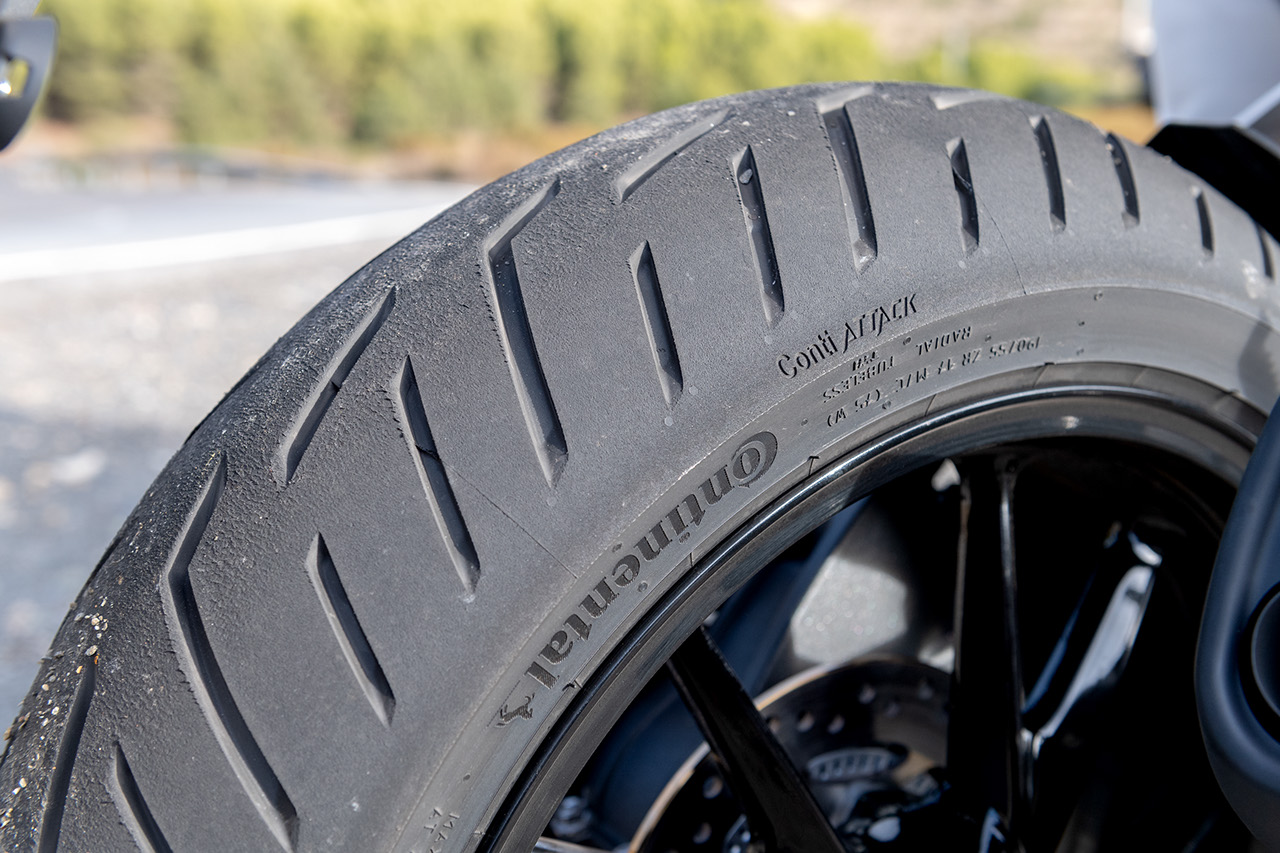
Motorcycle tires are designed to be sticky, but the sticky layer sits just below the surface. The top layer may be slightly harder or less grippy until it’s worn away. This is why some riders report a “greasy” feeling during the first few rides.
Environmental Factors
Temperature, humidity, and road conditions can make new tires feel even more slippery. Cold weather makes rubber stiffer. Wet roads also reduce grip, so new tires can feel extra slick in these conditions.
How Long Are New Tires Slippery?
Most experts recommend riding carefully for the first 100–200 kilometers (60–120 miles). After this, the tire surface becomes rougher, and mold release agents wear off. However, the exact distance depends on:
- Tire brand and model
- Riding style
- Road conditions
Some sport tires “break in” faster, while touring tires may need more time. If you notice your tire still feels slippery after 200 km, check for unusual wear or manufacturing defects.
| Tire Type | Break-In Distance | Grip Improvement |
|---|---|---|
| Sport | 50–100 km | Quick |
| Touring | 100–200 km | Moderate |
| Dual-sport | 120–200 km | Slow |
How To Safely Break In New Motorcycle Tires
Breaking in your tires is not complicated, but doing it right makes a big difference. Here are practical steps to follow:
- Ride gently: Avoid hard acceleration, sudden braking, or sharp leaning for the first 100–200 km.
- Vary your speed: Change your pace often. This helps the tire heat up evenly and wear off the slippery layer.
- Avoid wet or cold conditions: If possible, break in your tires on dry, warm days. This improves grip and speeds up the process.
- Check tire pressure: Make sure your tires are inflated to the recommended pressure. Under-inflated or over-inflated tires can be more slippery.
- Inspect tires regularly: Look for uneven wear, bubbles, or defects. If something looks wrong, consult a mechanic.
Example: Breaking In A Sport Tire
Suppose you just installed a Michelin Pilot Road 5 sport tire. For the first 80 km, you ride on city streets, avoid quick turns, and check your tire pressure before each ride. After 80 km, the tire feels grippier, and you can lean with more confidence.
Credit: www.continental-tires.com
Can You Remove Mold Release Agents Yourself?
Some riders try to remove the slippery layer manually. Here are common methods:
- Rubbing with sandpaper: Lightly sanding the tire surface removes the top film.
- Cleaning with alcohol: Wiping with isopropyl alcohol can reduce slipperiness.
- Using tire cleaners: Commercial products claim to remove mold release compounds.
However, these methods are not always recommended. You can damage the tire or reduce its lifespan. Manufacturers suggest letting the tire wear naturally.
| Method | Effectiveness | Risk |
|---|---|---|
| Sandpaper | Medium | Possible tire damage |
| Alcohol wipe | Low | Minimal |
| Tire cleaner | Medium | Depends on product |
Real-world Data: Accident Risk With New Tires
Studies show that accident risk is higher during the first few kilometers on new tires. In one survey, 12% of riders reported sliding or unstable handling after installing new tires. Most incidents happened during the first 50 km.
A famous example is the MotoGP racing world. Riders always “scrub in” tires before a race. They do this by riding gently on practice laps to prepare tires for maximum grip. This shows even professional racers take new tire slipperiness seriously.
Common Mistakes When Breaking In New Motorcycle Tires
Many riders make mistakes when handling new tires. Here are some to avoid:
- Riding aggressively from the start: This increases risk and can cause accidents.
- Ignoring tire pressure: Incorrect pressure can make tires feel slippery even after break-in.
- Breaking in on wet roads: Water reduces friction, so new tires take longer to become grippy.
- Overloading the bike: Carrying heavy loads makes tires work harder, slowing the break-in process.
- Skipping inspection: New tires can have defects. Always check for damage or uneven wear.
Comparison: New Vs. Used Motorcycle Tires
Let’s compare the grip and safety differences between new and used motorcycle tires:
| Feature | New Tires | Used Tires |
|---|---|---|
| Surface Texture | Smooth | Rough |
| Grip | Low (initially) | High |
| Accident Risk | Higher (first 100 km) | Lower |
| Reliability | High (after break-in) | Varies (wear dependent) |
Tips To Improve New Tire Grip Faster
If you want to speed up the break-in process, here are some proven tips:
- Ride on varied surfaces: Asphalt, concrete, and gravel all help roughen tire surfaces.
- Do gentle turns: Leaning gently increases surface abrasion without risking safety.
- Keep tires clean: Dirt or oil can reduce grip. Wash new tires with mild soap and water if needed.
- Avoid extreme heat: Riding aggressively in hot weather can damage tires before they break in.
Remember, grip improves naturally with careful riding. There’s no need to rush the process.
Are All New Motorcycle Tires Equally Slippery?
Not all new tires are equally slippery. Some brands use less mold release compound or rougher finishes. Premium sport tires often have special surface treatments. Budget tires may feel slicker for longer.
Factors that affect slipperiness:
- Brand and model
- Rubber compound
- Tread pattern
- Production method
If you buy tires from a trusted brand, you might notice less slipperiness. Always check reviews and ask other riders about their experiences.
Safety Precautions For Riding With New Tires
Here are essential safety tips:
- Increase following distance: Give yourself extra space to brake and maneuver.
- Avoid sudden moves: Be gentle with throttle, brakes, and steering.
- Watch for road hazards: Oil, sand, and water are more dangerous with new tires.
- Wear protective gear: Helmets, gloves, and jackets help reduce injury risk.
If you feel the bike sliding or unstable, slow down and check your tires. It’s better to be safe than sorry.
Should You Replace Both Tires At Once?
Many riders ask if they should replace both tires together. If one tire is much older than the other, the difference in grip can surprise you. Ideally, replace both tires to keep balanced traction.
However, if only one tire is worn, you can replace just that tire. Be extra careful during the break-in period, as grip will differ front to back.

Credit: www.rideapart.com
Expert Advice And Research
Motorcycle safety organizations recommend breaking in new tires gently. According to the Motorcycle Industry Council, “New tires require a break-in period of at least 100 miles to achieve full grip. ” This advice is backed by testing and accident statistics.
If you want to read more about tire safety and manufacturing, visit Wikipedia for detailed information.
Frequently Asked Questions
What Makes New Motorcycle Tires Slippery?
Mold release compounds and a smooth surface are the main causes. These factors reduce friction and grip until the tire is broken in.
How Long Should I Ride Carefully After Installing New Tires?
Most experts recommend at least 100–200 kilometers (60–120 miles) of gentle riding. After this, tires will offer better grip and performance.
Can I Speed Up The Break-in Process?
Yes, by riding gently on varied surfaces and avoiding extreme conditions. Do not use aggressive methods like sanding, as these can damage the tire.
Is It Dangerous To Ride Aggressively With New Tires?
Yes, accident risk is higher during the first few rides. Sudden moves or hard leans can cause sliding or loss of control.
Should I Replace Both Tires At The Same Time?
It’s safer to have matching tires with similar grip. If replacing only one tire, be cautious during the break-in period as grip levels will differ.
—
New motorcycle tires can feel slippery, but this is normal. The slipperiness comes from manufacturing processes and smooth surfaces. With careful riding, the grip improves quickly. Understanding the risks and following expert advice makes your ride safer and more enjoyable.
If you treat your new tires gently for the first few rides, you’ll enjoy confident handling and better performance for thousands of kilometers.

Credit: www.rideapart.com