Choosing the right tires for your vehicle is more important than most people realize. Tires are the only part of your car that actually touches the road. They affect not just how your car looks, but how it handles, how comfortable your ride is, how safe you are, and even how much you spend on gas. When shopping for tires, you will often see the terms low profile tires and high profile tires. These two types look and perform differently, and each has its own strengths and weaknesses. Understanding the differences can help you make a smart choice that fits your driving needs, your car, and your budget.
Many people get confused by the words “profile” or “aspect ratio” when talking about tires. Simply put, the tire profile is the height of the tire’s sidewall (the part between the rim and the tread) compared to the width of the tire. A low profile tire has a shorter sidewall, while a high profile tire has a taller one. This small difference can have a big impact on your driving experience.
In this article, you’ll discover how low and high profile tires compare in style, performance, comfort, safety, cost, and more. We’ll also cover which type works best for different driving situations, explain what really matters when choosing, and answer common questions.
By the end, you’ll be able to decide with confidence which tire profile is right for your car and your life.
What Are Low Profile And High Profile Tires?
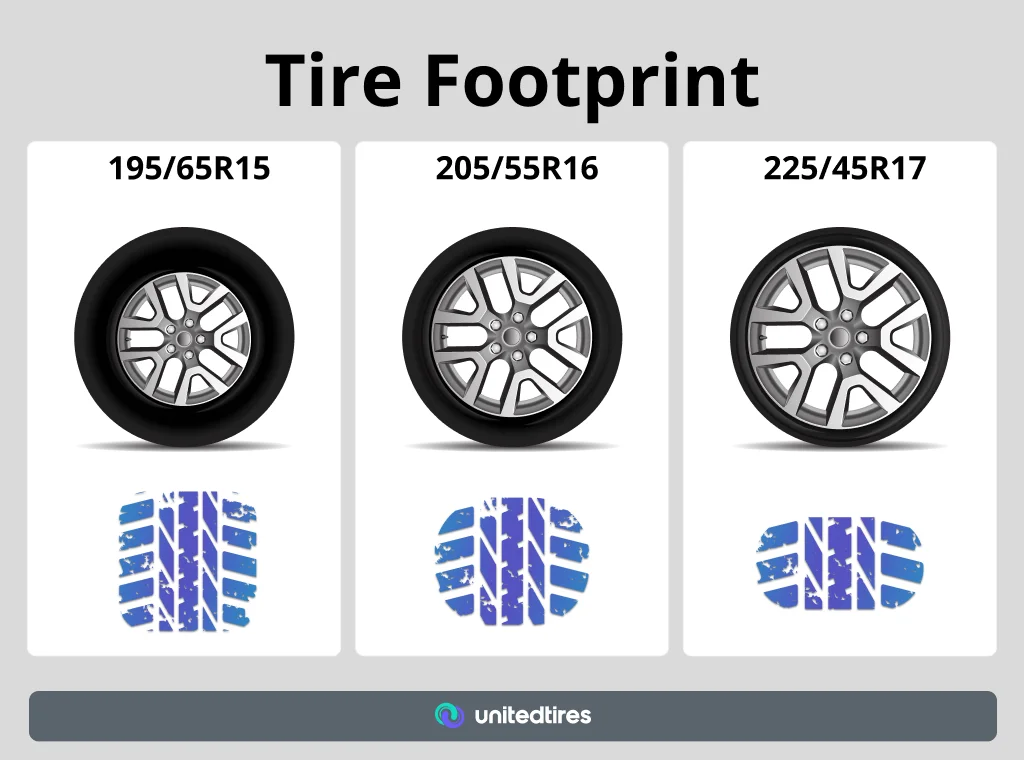
Let’s start with the basics. Every tire has numbers on its side, like 205/55R16. These tell you the tire’s width, aspect ratio (profile), and rim size. The aspect ratio is the second number and shows the height of the sidewall as a percentage of the tire’s width. For example, a 205/55R16 tire is 205 mm wide and the sidewall is 55% of that width.
- Low profile tires have an aspect ratio of 50 or less (for example, 225/40R18).
- High profile tires have an aspect ratio of 60 or more (for example, 205/70R15).
In simple words: lower numbers = shorter sidewalls (low profile), higher numbers = taller sidewalls (high profile).
Quick Visual Comparison
- Low profile: Short sidewall, big rim, sporty look.
- High profile: Tall sidewall, smaller rim, classic or utility look.
Key Differences: Low Profile Tires Vs High Profile Tires
The main differences between these tire types go far beyond just appearance. They can change the way your car feels, sounds, and performs on the road.
1. Appearance And Style
Low profile tires are popular for their modern, aggressive look. They fill out the wheel arch and make the rim look larger, which is why you’ll see them on sports cars and luxury sedans. Many car enthusiasts choose low profile tires mainly for visual impact. The design looks high-tech and can give even an ordinary car a more expensive, performance-oriented appearance.
High profile tires look more traditional and functional. The taller sidewall gives the tire a “meaty” look, often seen on older vehicles, SUVs, pickups, and off-road vehicles. They may not turn heads like low profile tires, but they send a message of durability and practicality.
2. Ride Comfort
This is where the difference becomes very noticeable. The tall, flexible sidewalls of high profile tires absorb bumps, potholes, and rough roads better. They act like natural shock absorbers, protecting you and your car from hard impacts. If you drive on rough or uneven roads, high profile tires will keep the ride smoother and less tiring.
Low profile tires have less rubber between the rim and the road, so they can’t cushion bumps as well. The ride may feel harsher, and you’ll feel more vibrations from the road. This is one reason why some people with low profile tires complain about comfort, especially in cities with bad roads.
3. Handling And Performance
If you value precise steering and cornering, low profile tires have a clear advantage. Their short, stiff sidewalls don’t flex much, so the car responds quickly to your steering. This gives better “feedback” and makes the car feel more connected to the road. That’s why performance cars almost always use low profile tires.
High profile tires flex more when you turn or brake hard. This can make the steering feel less sharp and the car less stable at high speeds or in fast turns. But for normal, everyday driving, most people will not notice a problem.
4. Road Noise
Low profile tires have less air and rubber to block sound from the road, so they tend to be noisier—especially on highways or rough pavement. That “sporty” sound can get annoying on long trips.
High profile tires, with their thicker sidewalls, are usually quieter. They soak up road noise and make the cabin a more peaceful place. If you do a lot of highway driving or value a quiet ride, high profile tires have the edge.
5. Safety And Damage Protection
One of the biggest risks with low profile tires is rim damage. Because the sidewall is short, there’s less protection for the rim (the metal part of the wheel). Hitting a pothole or curb can easily dent or crack the rim, which can be expensive to repair.
High profile tires give your wheels more protection. The tall sidewall can compress and absorb impacts, which helps prevent rim damage and even tire blowouts. This is a big reason why trucks and SUVs, which often face rough conditions, use high profile tires.
6. Fuel Economy
Surprisingly, tire profile can also affect your fuel consumption. Low profile tires are often wider, which means more rubber touches the road. This increases “rolling resistance,” so the engine has to work a bit harder. The result? Slightly worse fuel economy.
High profile tires are usually narrower and lighter, which can help you squeeze out a bit more mileage from each tank. The difference is not huge, but over thousands of miles, it can add up.
7. Tire Lifespan And Wear
Low profile tires tend to wear out faster for several reasons:
- They often use softer rubber for better grip.
- The short sidewall means more stress on the tread, especially during hard cornering.
- They’re more likely to get damaged by potholes or road hazards.
High profile tires usually last longer, especially for regular driving. Their sidewalls protect them better, and they don’t face as much stress in normal use.
8. Cost: Purchase And Replacement
Low profile tires usually cost more to buy and replace. This is partly because they use special materials for performance, and also because they’re often matched with larger, more expensive rims.
High profile tires, especially in standard sizes, are usually cheaper. They fit smaller rims, which also cost less to replace if damaged.
9. Off-road Vs. On-road Use
If you plan to drive off-road, in snow, or on gravel, high profile tires are clearly the better choice. Their tall, flexible sidewalls help them “float” over rough surfaces and get better grip in mud or sand.
Low profile tires are designed for smooth, paved roads. They’re not built for off-road adventures, and using them in rough conditions can lead to quick damage.
10. Winter And All-season Performance
High profile tires are better for winter conditions, especially in deep snow or slush. Their narrow tread can “cut” through snow more easily, and the soft sidewall keeps the tire in contact with the road.
Low profile tires can struggle in winter, especially if they’re wide. They tend to “float” on top of snow, which can make them lose grip. If you live in a cold climate, high profile tires or dedicated winter tires are much safer.
Side-by-side Comparison
To make these differences clearer, here is a direct comparison of key features:
| Feature | Low Profile Tires | High Profile Tires |
|---|---|---|
| Appearance | Sporty, modern, aggressive | Classic, rugged, practical |
| Comfort | Harsher ride, more vibrations | Smoother, absorbs bumps |
| Handling | Sharper, better cornering | Less precise, more sidewall flex |
| Road Noise | Louder | Quieter |
| Rim Protection | Poor (higher risk of damage) | Good (better shock absorption) |
| Fuel Economy | Slightly worse | Slightly better |
| Lifespan | Shorter | Longer |
| Cost | More expensive | Less expensive |
| Off-Road | Poor | Excellent |
| Winter | Not ideal | Better |
Real-world Examples
Sports Cars
A car like the BMW 3-Series often comes with low profile tires such as 225/45R18. This gives it sharp handling and a stylish look, which is perfect for fast driving on good roads. However, owners report that the ride can be stiff, and rims are easily damaged by potholes.
Family Sedans
A Toyota Camry or Honda Accord usually uses higher profile tires like 215/60R16. This makes the car more comfortable, reliable, and affordable to maintain. The handling is still good enough for normal driving, but you won’t get the “sports car” feel.
Suvs And Off-road Vehicles
A Jeep Wrangler or Toyota Land Cruiser often uses tires like 265/75R16, which have a very high profile. These absorb shocks on rough terrain and protect the wheels, making them perfect for off-roading or driving in bad weather.
Common Mistakes When Choosing Tire Profile
- Choosing just for looks: Many people buy low profile tires because they look cool, without considering comfort or durability. This often leads to regrets later, especially if you drive on rough roads.
- Ignoring your driving environment: If your city has a lot of potholes, low profile tires can end up costing you a lot in repairs.
- Not checking rim compatibility: Some cars can’t fit larger rims needed for low profile tires without suspension changes.
- Overlooking winter performance: Wide, low profile tires are risky in snow or heavy rain.
- Thinking all tires wear the same: Low profile tires often wear out faster, so you may need to replace them more often.
How To Choose: What Really Matters
When picking between low profile and high profile tires, focus on your real needs—not just style.
1. Driving Style
- Sporty or spirited driving: Go for low profile tires if you want sharp handling and drive mainly on good roads.
- Comfort and daily use: High profile tires are better if you value a smooth ride, especially for family cars or long trips.
2. Road Conditions
- Rough, bumpy, or poorly maintained roads: High profile tires handle bumps and potholes much better.
- Smooth highways or city streets: Low profile tires can work well if you want a sportier feel.
3. Weather And Climate
- Snow, slush, or frequent rain: High profile (narrower) tires give better grip and safety.
- Dry, warm climates: Low profile tires may offer better performance.
4. Vehicle Type
- Sports cars, luxury sedans: Usually designed for low profile tires.
- SUVs, trucks, off-road vehicles: High profile tires are almost always better.
5. Budget
- Initial cost: High profile tires and smaller rims are cheaper.
- Long-term cost: High profile tires often last longer and cost less to replace.
6. Load Carrying
If you often carry heavy loads, high profile tires can better handle the extra weight. Their sidewalls are stronger and less likely to fail under pressure.
7. Legal And Manufacturer Requirements
Always check your car’s manual or ask a professional before changing tire profiles. Some cars need special settings or adjustments to safely use different tires.
Advanced Insights: What Most Beginners Miss
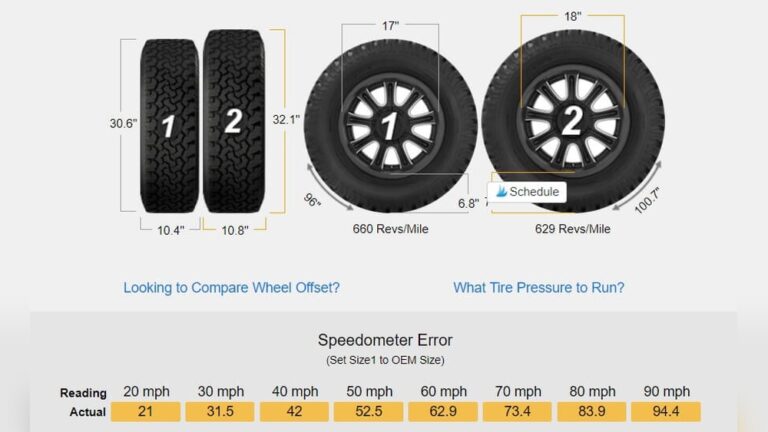
- Impact on Speedometer and Odometer: Changing your tire profile can actually change your car’s speed readings. If your new tires are much taller or shorter than the originals, your speedometer and odometer may show wrong numbers. This can even be illegal in some places.
- Braking Distance: Low profile tires can stop faster on dry roads, but on wet or slippery roads, high profile tires may be safer because they handle water and snow better.
- Effect on Suspension: Low profile tires put more stress on your car’s suspension. Over time, this can wear out shocks and other parts faster, increasing maintenance costs.
- Insurance and Warranty: Some insurance policies and car warranties may not cover damage caused by using the wrong tire size or profile. Always check before making a switch.
Real Data: Tire Profile And Accident Risk
Research shows that cars with low profile tires are more likely to suffer wheel and tire damage from potholes, which can lead to accidents. A study by the UK Automobile Association found that cars with low profile tires were twice as likely to get a flat or bent rim compared to cars with high profile tires, especially in cities with poor road maintenance.
Popular Myths About Low And High Profile Tires
- “Low profile tires are always better.” Not true. They offer better handling but can be a bad choice for daily driving or bad roads.
- “High profile tires are only for trucks.” Wrong. Many regular cars use high profile tires for comfort and safety.
- “You can just swap tires without issues.” Tire size affects your car’s handling, speedometer, and even fuel economy. Always consult a professional.
- “Low profile means faster.” Only in perfect conditions. On real roads, high profile tires can be safer and more reliable.
Credit: www.utires.com
How To Read Tire Size And Profile
Understanding tire codes helps you avoid mistakes. Let’s break down an example: 225/45R17.
- 225 = Width in millimeters.
- 45 = Aspect ratio (sidewall height is 45% of width).
- R = Radial construction (almost all modern tires).
- 17 = Rim diameter in inches.
A lower aspect ratio (like 45) means a low profile, while a higher number (like 70) means a high profile.
Practical Tips For Switching Tire Profiles
- Check your wheel size: Low profile tires need larger rims. Make sure your car can fit them safely.
- Consider ride height: Changing tire profile can change how high your car sits. Too low may damage the car’s underside.
- Adjust suspension if needed: Switching to low profile tires may require stiffer suspension to avoid bottoming out.
- Recalibrate speedometer: If you change tire diameter, ask a mechanic to adjust your speedometer.
- Keep old tires as backup: If you’re trying low profile tires for the first time, keep your old high profile tires until you’re sure you like the change.

Credit: www.youtube.com
Comparing Costs Over Time
Here is a breakdown of typical costs for both types over five years of ownership (estimates for a midsize car):
| Cost Category | Low Profile Tires | High Profile Tires |
|---|---|---|
| Initial Tire Set (4) | $600–$1,000 | $400–$650 |
| Average Rim Replacement (per rim) | $200–$400 | $100–$200 |
| Average Tire Lifespan | 25,000–35,000 miles | 40,000–60,000 miles |
| Fuel Cost Increase (per year) | $30–$60 | $0–$20 |
| Total Estimated 5-Year Cost | $2,000–$2,800 | $1,200–$1,600 |
*Note: Prices can vary depending on brand, location, and vehicle.*
When To Choose Each Type
Best Situations For Low Profile Tires
- You drive mostly on smooth, well-maintained roads.
- You want maximum steering response and sporty handling.
- You care about style and appearance.
- You drive a performance car designed for low profile tires.
Best Situations For High Profile Tires
- You face rough roads, potholes, or off-road conditions.
- Comfort and quiet are more important than sporty handling.
- You drive in snow, rain, or mixed conditions.
- You want to save money on tires and repairs over time.
Latest Trends In Tire Technology
Tire companies are always improving materials and designs to reduce the downsides of both types. Some “performance touring” tires aim to offer the sharp handling of low profile tires with more comfort and durability. Run-flat tires, often low profile, let you drive short distances even after a puncture, but they can be even harsher and more expensive.
If you’re interested in new advances, check out resources like the Tire Rack for independent reviews and test results.
Frequently Asked Questions
What Does “low Profile” Really Mean In Tires?
Low profile means the tire’s sidewall is short compared to its width. The aspect ratio (second number in the tire code) is 50 or less. This gives the tire a sporty look and sharper handling, but less comfort.
Can I Replace My High Profile Tires With Low Profile Ones?
Yes, but you need to make sure the total tire diameter stays close to the original, or your car’s speedometer, handling, and suspension could be affected. It’s best to consult a tire expert before making the switch.
Are Low Profile Tires Safe For Winter Driving?
Low profile tires are not ideal for winter. Their wide tread and stiff sidewalls can make them lose grip in snow or slush. If you need to drive in winter conditions, high profile or dedicated winter tires are much safer.
Why Do Low Profile Tires Wear Out Faster?
Low profile tires often use softer rubber for better grip, and their short sidewalls mean more stress during hard turns and braking. They’re also more likely to get damaged by road hazards.
Do Low Profile Tires Improve Fuel Economy?
No, in most cases they slightly reduce fuel economy because they are wider and have higher rolling resistance. High profile tires are usually more fuel-efficient, but the difference is small for most drivers.
Making the right tire choice is about more than just looks or price—it’s about matching your tires to your driving style, your car, and your everyday needs. Take your time, ask questions, and remember: your tires are your only contact with the road. Choose wisely, and you’ll drive safer, smoother, and smarter for years to come.

Credit: www.tyremarket.com