Choosing the right tires for your vehicle is more important than many drivers realize. Tires are the only part of your car that touches the road, so their design, strength, and capabilities can make a big difference in safety, comfort, and performance. If you’ve ever shopped for tires, you may have noticed options labeled as “ST” and “LT.” These labels are more than just letters—they represent Special Trailer (ST) and Light Truck (LT) tires, each built for very different jobs.
But which one should you use? What happens if you pick the wrong type? And why are these differences so important? Many drivers, especially beginners or those new to towing, are confused by these questions. This guide will give you clear, practical answers, using real examples, data, and expert insights to help you make the best choice for your needs.
What Are St And Lt Tires?
Let’s start with the basics. The ST in ST tires stands for Special Trailer, while the LT in LT tires means Light Truck. This simple difference in naming points to their core purposes:
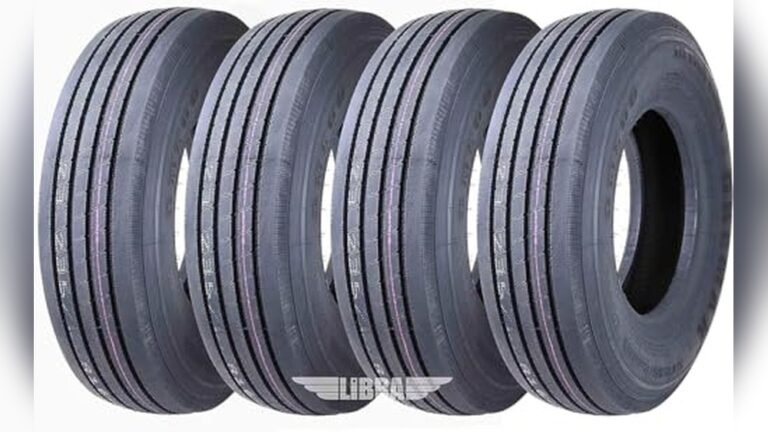
- ST (Special Trailer) Tires are designed only for trailers. This includes boat trailers, travel trailers, utility trailers, and campers. These tires are not made for regular passenger vehicles or trucks.
- LT (Light Truck) Tires are made for light trucks, SUVs, vans, and pickups. They are built to carry heavier loads and handle the stress of both towing and driving.
The main point: ST tires are for trailers, LT tires are for vehicles. While they may look similar, their construction, load ratings, and performance are very different.
Key Differences Between St And Lt Tires
Many people think tires are just round pieces of rubber, but the differences between ST and LT tires are more than meets the eye. Here’s a closer look at what sets them apart.
Construction And Materials
- ST Tires have stiffer sidewalls and a stronger structure to handle high vertical loads. They are designed to resist sway and heat buildup when a trailer is loaded and towed long distances.
- LT Tires are built to handle a mix of vertical (weight), lateral (cornering), and braking forces. Their sidewalls are flexible enough for comfort but strong enough for carrying cargo and passengers.
Non-obvious insight: The rubber compound in ST tires is often more heat-resistant, as trailers can sit for long periods and then travel at highway speeds fully loaded. This helps prevent blowouts, a common risk for under-inflated or overloaded trailer tires.
Load Ratings And Speed
Tires are marked with a load rating (how much weight they can carry) and a speed rating (the maximum safe speed).
- ST Tires usually have higher load ratings for their size compared to LT tires, but lower speed ratings. Most ST tires are rated for 65 mph or less.
- LT Tires can handle higher speeds but may carry less weight for the same size.
Tread Pattern
- ST Tires use simpler tread patterns that focus on stability and straight-line tracking. They are not designed for sharp cornering or wet traction.
- LT Tires have more complex tread designs for grip, braking, and handling in various weather.
Sidewall Strength
- ST Tires have thicker, stiffer sidewalls to control trailer sway and prevent flexing.
- LT Tires balance strength with flexibility for comfort and handling.
Cost And Availability
- ST Tires are often less expensive, but choices may be limited compared to LT tires.
- LT Tires come in many sizes and tread types, but some are more costly, especially for premium brands.
When To Use St Tires
ST tires are the right choice when you are outfitting a trailer. Here’s why:
- Designed for Trailer Loads: Trailers often carry concentrated, heavy loads. ST tires are built to handle this, especially the vertical (up and down) weight.
- Better Control: Their stiff sidewalls help prevent trailer sway, which can cause dangerous fishtailing at high speeds.
- Legal and Insurance Requirements: Some states and insurance policies require ST tires on trailers. Using the wrong tire type can void coverage or cause legal issues after an accident.
- Heat Resistance: They are designed to handle the heat buildup of continuous highway towing.
Example: If you own a boat trailer or a travel camper, always use ST tires. Even if LT tires fit, they are not built for trailer use and could increase the risk of blowouts or sway.
When To Use Lt Tires
LT tires are made for vehicles that carry cargo, tow, or need tougher tires. You should use LT tires when:
- Driving a Pickup, SUV, or Van: These vehicles need tires that can handle their weight, plus any extra load you add.
- Off-Road or Rough Roads: LT tires have tougher construction for rocky, muddy, or uneven surfaces.
- Towing with Your Vehicle: While the trailer should have ST tires, your towing vehicle should use LT tires if you often haul heavy loads.
Example: If you use your pickup truck for construction work, carrying tools, or towing a camper, LT tires offer the durability and load support you need.
Can You Swap St And Lt Tires?
One of the most common mistakes is thinking you can swap ST and LT tires. Here’s what you need to know:
- ST tires should only be used on trailers. They are not safe for cars, trucks, or SUVs because they do not handle the lateral forces of normal driving.
- LT tires are not designed for trailer use. Their sidewalls are not stiff enough to control trailer sway, and they may not handle the heavy, constant loads of a fully loaded trailer.
Non-obvious insight: Some mechanics will install LT tires on a trailer if ST tires are unavailable. This may work for short, light loads, but it increases the risk of sway, blowouts, and insurance problems. If you must use LT tires in an emergency, drive slowly and replace them with ST tires as soon as possible.
Comparing St And Lt Tires: Data And Performance
To help you see the differences clearly, here is a comparison of typical ST and LT tire features for the same size (e.g., 225/75R15):
| Feature | ST Tire | LT Tire |
|---|---|---|
| Load Rating | 2,540 lbs (per tire) | 2,150 lbs (per tire) |
| Speed Rating | 65 mph | 87 mph |
| Sidewall Strength | Very stiff | Moderate |
| Tread Design | Straight, simple | Varied, complex |
| Heat Resistance | High | Moderate |

Credit: blog.coach-net.com
Advantages Of St Tires
ST tires have unique strengths:
- Higher Load Capacity: For the same size, ST tires usually carry more weight.
- Better Sway Control: Their stiff sidewalls reduce trailer sway, especially on highways.
- Built for Long Parking: Trailers often sit for months. ST tires are designed to resist flat-spotting and UV damage.
- Legal Compliance: Many trailer manufacturers and laws require ST tires.
Advantages Of Lt Tires
LT tires offer benefits for vehicles:
- Versatile Performance: Good for both city and highway driving, plus off-road use.
- Higher Speed Ratings: LT tires allow safer travel at higher speeds.
- Broader Selection: More choices for tread, brand, and price.
- Comfort: Their flexible sidewalls offer a smoother ride on rough roads.
Common Mistakes When Choosing Tires
Many people unknowingly make these mistakes:
- Using Car (P-metric) Tires on Trailers: Passenger car tires (marked “P”) are not built for heavy, static loads. Never use them on a trailer.
- Overloading Tires: Check the tire’s load rating. Overloading leads to blowouts and accidents.
- Ignoring Age: Tires degrade with time, even if tread looks good. Replace trailer tires every 5-7 years, no matter the tread.
- Mixing Tire Types: Never mix ST and LT tires on the same trailer or vehicle. This causes uneven handling and can be dangerous.
- Wrong Tire Pressure: Always inflate to the tire’s sidewall pressure, not the vehicle’s recommended pressure. Trailers and trucks often require higher pressures.
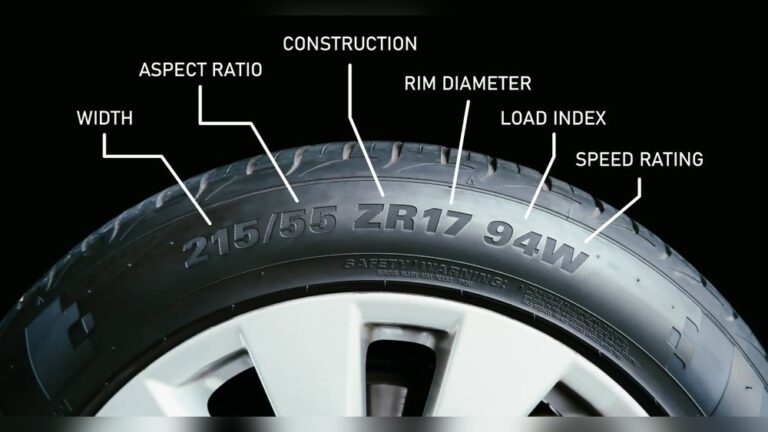
How To Read Tire Codes
Understanding tire markings helps you choose the right type. Here’s what to look for:
- ST225/75R15: “ST” means Special Trailer, “225” is width in mm, “75” is aspect ratio, “R” is radial, “15” is rim size in inches.
- LT245/75R16: “LT” means Light Truck, “245” is width, and so on.
Non-obvious insight: Some tires have “Load Range” ratings (like C, D, E). Higher letters mean the tire can carry more weight at higher pressures.

Credit: www.youtube.com
How Tire Pressure Affects Safety
Correct tire pressure is critical. Under-inflated tires heat up quickly, leading to blowouts—especially dangerous for trailers. Over-inflated tires can reduce grip and wear unevenly.
Tip: Check tire pressure before every trip, especially when towing. Use a reliable gauge, and always measure when tires are cold. Trailer tires often need 50–80 psi, while car and light truck tires may need 30–40 psi.
Factors To Consider When Buying St Or Lt Tires
Choosing the right tire type is not just about the letters. Consider these factors:
1. Weight Of Load
- Calculate the total weight your trailer or truck will carry, including cargo, fuel, and passengers.
- Choose a tire with a load rating at least 10% higher than your heaviest load.
2. Tire Size
- Match the tire size to your trailer or vehicle’s specifications.
- Never use a tire that’s too small or too large; it can affect handling and safety.
3. Terrain And Driving Conditions
- For off-road or rough roads, LT tires with aggressive tread are best.
- For highway towing, ST tires with smooth, straight tread improve stability.
4. Brand And Quality
- Choose well-known brands. Cheaper, no-name tires can have weak construction and poor heat resistance.
5. Weather And Climate
- If you drive in hot climates, choose tires with higher heat resistance (like ST tires for trailers).
- For winter, look for LT tires rated for snow and ice.

Credit: www.youtube.com
Real-world Examples And Case Studies
Case 1: Camper Trailer
A family in Texas tows a 4,000-lb travel trailer on summer road trips. They use ST tires rated at 2,200 lbs each. On one trip, they swap to LT tires because the local shop was out of STs. After 200 miles, they notice the trailer sways more, especially when trucks pass.
Later, one LT tire overheats and fails, damaging the trailer.
Lesson: Even if LT tires fit, they are not safe for trailer use. Always wait for proper ST tires.
Case 2: Work Truck
A contractor drives a Ford F-250 with heavy tools in the bed. The truck originally came with LT tires but the owner switched to cheaper passenger car tires. After a few months, the rear tires show fast wear and sidewall bulges.
Lesson: Only use LT tires (or higher) on trucks that carry heavy loads. Car tires are not strong enough.
Case 3: Boat Trailer Storage
A boat owner leaves his trailer parked outside all winter. When spring comes, the ST tires have some surface cracks but no deep cuts. He checks the date code and sees the tires are 6 years old, so he replaces them even though the tread looks fine.
Lesson: Trailer tires age out faster than they wear out. Replace ST tires every 5-7 years, no matter the tread depth.
How To Maintain St And Lt Tires
Proper care helps your tires last longer and stay safe.
- Rotate Tires Regularly: For LT tires on trucks, rotate every 5,000–7,000 miles. For trailers, move tires side-to-side every season if possible.
- Inspect for Damage: Look for cracks, bulges, or uneven wear. Replace tires with any damage.
- Keep Tires Covered: If your trailer sits outside, cover the tires to protect from UV damage.
- Store Properly: If you remove tires for winter, store in a cool, dry place and keep away from chemicals.
- Check Torque: Make sure wheel nuts are properly tightened, especially after a tire change.
Cost Comparison: St Vs Lt Tires
Price is a common concern. Here’s a rough idea for mid-range tires (size 225/75R15):
| Tire Type | Average Price (each) | Expected Lifespan |
|---|---|---|
| ST Tire | $80–$120 | 5–7 years or 10,000–15,000 miles |
| LT Tire | $100–$180 | 3–5 years or 40,000+ miles |
Note: LT tires cost more but last longer if used on vehicles. ST tires must be replaced more often due to age, not just mileage.
Environmental And Safety Considerations
Modern tire manufacturing tries to balance performance and environmental impact. Properly chosen and maintained tires reduce fuel consumption, CO2 emissions, and road debris from blowouts. Disposing of old tires responsibly is also important—most shops will recycle your old tires for a small fee.
For more on tire safety and standards, you can visit the Tire Code Wikipedia page.
Frequently Asked Questions
What Happens If I Use Lt Tires On My Trailer?
LT tires may fit, but their sidewalls are not as stiff as ST tires. This can lead to trailer sway, heat buildup, and higher risk of blowouts. Always use ST tires on trailers unless there is no alternative, and even then, drive with extra caution.
How Often Should I Replace St Tires On My Trailer?
Replace ST tires every 5 to 7 years, even if they have good tread. UV rays, heat, and sitting unused cause the rubber to age, making blowouts more likely.
Can I Mix St And Lt Tires On The Same Trailer?
No. Mixing tire types on a trailer can cause uneven handling, poor tracking, and safety risks. Always use the same type, size, and load rating on all trailer wheels.
Why Are St Tires Not Used On Trucks Or Suvs?
ST tires are not designed for the steering, acceleration, or braking forces of cars, trucks, or SUVs. They lack the grip and lateral strength needed for safe driving on these vehicles.
How Do I Know If My Trailer Needs New Tires?
Check the tire’s age (look for the DOT code), tread depth, and for cracks or bulges. If tires are older than 7 years or show any damage, replace them—even if they look okay.
Final Thoughts
Choosing between ST and LT tires is not just about fitting the right size. It’s about safety, performance, and protecting your investment. Use ST tires on trailers for the best load handling and stability, and LT tires on trucks, vans, and SUVs for durability and versatility. Never mix types, and always check load, age, and pressure before every trip. These simple steps will keep your journey safe and smooth, whether you’re towing a camper across the country or hauling tools to a work site. Making an informed choice now can prevent expensive and dangerous problems on the road.