Falken Vs Yokohama Tires
Choosing the right tire brand can be confusing, especially with so many options available. Two brands that stand out in the mid-range and premium tire market are Falken and Yokohama. Both have a strong reputation, but each has its own strengths, weaknesses, and unique features. If you are thinking about changing your tires, or just want to know more before buying, this guide will help you understand how Falken and Yokohama compare in real-world situations.
This article will dive deep into their history, technology, performance in different weather, tread life, price, noise, and more. You will learn not only the basics but also some lesser-known facts that can help you make a confident choice. By the end, you will know which brand suits your driving style, needs, and budget.
Company Backgrounds
Understanding the history and philosophy of each brand can help you see what they value most.
Falken
Falken is a Japanese tire brand launched in 1983 by Sumitomo Rubber Industries. Unlike some older brands, Falken started with a focus on high-performance radial tires for sports cars and motorsports. Over the decades, they have grown to serve the global market, offering tires for passenger cars, SUVs, light trucks, and commercial vehicles.
Falken is especially known for being active in motorsports. Their participation in drifting competitions and endurance racing has helped them develop advanced rubber compounds and tread designs. These technologies often make their way into the tires you find in stores.
Yokohama
Yokohama Rubber Company is one of the oldest and most respected tire manufacturers from Japan, founded in 1917. Their products are sold in over 120 countries. Yokohama is famous for its continuous innovation, including eco-friendly tires, high-performance models, and advanced manufacturing methods.
One of their best-known lines is the ADVAN series, which is highly regarded among car enthusiasts. Yokohama also invests heavily in environmental technology, aiming to reduce rolling resistance and improve fuel efficiency.
Product Range And Lineup
Both brands offer a wide selection, but they target slightly different types of drivers.
Falken’s Lineup
Falken’s main categories include:
- High-performance sports tires (e.g., Azenis FK510)
- All-season touring tires (e.g., Ziex ZE960 A/S)
- All-terrain and off-road tires (e.g., Wildpeak A/T3W)
- Winter tires (e.g., Espia EPZ II)
- Light truck and SUV tires
Falken often combines sporty features with everyday usability. For example, the Wildpeak A/T3W is popular with off-road enthusiasts because it performs well on mud and snow but is also comfortable on highways.
Yokohama’s Lineup
Yokohama divides its tires into:
- Ultra-high performance (e.g., ADVAN Sport V105)
- Touring and comfort (e.g., AVID Ascend GT)
- All-terrain/SUV (e.g., Geolandar A/T G015)
- Eco-friendly/fuel-saving (e.g., BluEarth series)
- Winter/snow tires (e.g., iceGUARD series)
Yokohama is a leader in eco-friendly tire technology. Their BluEarth line uses orange oil to make tires more flexible and reduce rolling resistance, which helps save fuel.
Key Technologies
Both companies invest in research, but their focus areas are slightly different.
Falken’s Signature Technologies
- 4D Nano Design: This technology uses advanced computer modeling to improve rubber compounds at the molecular level. The result is better grip and longer tread life.
- Silent Core: Some Falken tires use a layer of foam inside the tire to absorb road noise.
- Heat Diffuser Technology: Especially in truck and off-road tires, this helps keep the tire cool, improving durability during heavy use.
Yokohama’s Signature Technologies
- BluEarth Technology: Focused on environmental performance, using special compounds to lower rolling resistance and enhance wet grip.
- Adaptive 3D Sipes: Tiny slits in the tread blocks help maintain grip in snow and ice but stiffen for dry roads.
- Orange Oil Compounds: Used in several high-end and eco models, this ingredient helps tires stay flexible at low temperatures, improving safety.
Performance In Different Conditions
How do Falken and Yokohama tires handle daily driving, wet weather, snow, and off-road adventures? Here is a detailed comparison.
Dry Road Performance
Both brands offer excellent grip in dry conditions, but with subtle differences.
- Falken: Their performance models, like the Azenis FK510, are praised for sharp steering and high-speed stability. These tires are popular among sports car drivers and those who enjoy spirited driving.
- Yokohama: The ADVAN series is known for precision handling and responsive feedback, often found on performance sedans and coupes.
Non-obvious insight: Many drivers overlook that Yokohama’s tires are often used as original equipment (OE) on premium cars like Porsche and Mercedes-Benz, which is a sign of trust from automakers.
Wet Weather And Rain
Wet grip is a crucial safety factor. Hydroplaning (when tires lose contact with the road in heavy rain) is dangerous.
- Falken: Their advanced silica compounds and unique tread designs channel water away quickly. Reviews show the Ziex ZE960 A/S performs well even in heavy rain.
- Yokohama: The BluEarth and Geolandar lines feature specialized grooves and compounds that improve wet braking and reduce hydroplaning risk.
Hidden detail: Some Yokohama tires have “Aqua Tusk” design, with angled grooves that push water out rapidly. This feature is especially helpful for compact cars with narrow tires.
Snow And Winter
Not all brands excel in winter conditions.
- Falken: The Espia EPZ II uses multi-directional sipes and soft rubber for grip on ice. The Wildpeak A/T3W is also certified for severe snow conditions, marked by the Three-Peak Mountain Snowflake (3PMSF) symbol.
- Yokohama: The iceGUARD series is highly rated for snow and ice. Their adaptive sipes and orange oil compounds help keep the tire flexible even in deep cold.
Unique fact: Yokohama’s winter tires are often used in winter driving schools in snowy regions like Canada and Scandinavia.
Off-road And All-terrain
If you drive on dirt, gravel, or rocks, tire construction matters.
- Falken: The Wildpeak series is famous for durability, with reinforced sidewalls and aggressive tread. It’s a favorite among off-roaders and overlanders in North America.
- Yokohama: The Geolandar A/T G015 balances off-road grip with comfort on pavement. It’s less aggressive than Wildpeak but quieter and smoother for daily use.
Non-obvious insight: Many off-roaders choose Falken Wildpeak A/T3W over more expensive brands because it offers nearly the same performance at a lower price.

Credit: www.youtube.com
Tread Life And Durability
Longevity is a major concern for most drivers. Replacing tires too often can become expensive.
- Falken: Most Falken tires come with warranties between 50,000 and 70,000 miles. The Ziex line is especially long-lasting if properly maintained.
- Yokohama: Similar warranty range (up to 85,000 miles for some models). The AVID Ascend GT is known for its slow wear and even tread.
Hidden detail: Treadwear depends greatly on rotation and alignment. Many drivers blame the tire brand, but improper maintenance is often the real reason for fast wear.
Ride Comfort And Noise
Tire comfort and noise levels can affect your driving experience, especially on long trips.
- Falken: Models with Silent Core foam are noticeably quieter. Even their all-terrain tires have been praised for being less noisy than expected.
- Yokohama: The AVID and BluEarth lines are designed for quiet, comfortable rides. Their asymmetric tread pattern helps lower road noise and vibration.
Unique insight: Tire noise can change as the tire wears. Both brands design tread to minimize this, but rotating your tires every 5,000 to 8,000 miles helps keep noise levels low.
Pricing And Value
Both brands aim for the mid-range and premium market, but there are price differences.
- Falken: Usually 10–15% less expensive than Yokohama for similar sizes and types. This makes them a good choice for budget-conscious drivers who still want high quality.
- Yokohama: Slightly higher prices, but often justified by longer tread life and more advanced eco-technology.
Below is a quick comparison of typical prices (as of 2024) for popular all-season tires in 225/50R17 size:
| Brand & Model | Approximate Price (USD) | Treadwear Warranty (miles) |
|---|---|---|
| Falken Ziex ZE960 A/S | $130–$140 | 65,000 |
| Yokohama AVID Ascend GT | $145–$160 | 85,000 |
Prices can change by location and retailer.
Environmental Impact
Sustainability is becoming more important for many car owners.
- Falken: Has started using more eco-friendly materials and reducing emissions in manufacturing, but is not as far along as some competitors.
- Yokohama: Strong focus on green technology. Their BluEarth series is made with fewer petroleum-based products and is designed to reduce fuel consumption.
Hidden detail: Lower rolling resistance means your car uses less fuel, which saves money and helps the planet. Yokohama leads in this area, especially with their BluEarth and AVID lines.

Credit: www.discountedwheelwarehouse.com
Warranty And Customer Support
Warranty coverage can provide peace of mind.
- Falken: Most models come with a limited treadwear warranty and a road hazard warranty for a short period (usually first 2/32″ of tread or one year).
- Yokohama: Similar treadwear warranties, with some models offering a 30-day test drive. If you are not happy, you can exchange for another model.
Unique insight: Read the fine print on warranties. Coverage often requires proof of regular rotation and alignment checks.
Real-world Reviews And Owner Satisfaction
Looking at data from surveys and owner reviews gives a more complete picture.
Performance Reviews
Based on data from Tire Rack and Consumer Reports (2022–2024):
- Falken Ziex ZE960 A/S: 4.3/5 average rating. Most praised for wet grip and value for money.
- Yokohama AVID Ascend GT: 4.5/5 average rating. High marks for tread life and quietness.
Off-road User Ratings
- Falken Wildpeak A/T3W: 4.7/5, popular for snow and mud performance.
- Yokohama Geolandar A/T G015: 4.5/5, praised for comfort on highways.
Complaints And Common Issues
- Falken: Some models wear faster if not rotated regularly. A few users mention noise after 20,000 miles.
- Yokohama: Some tires are stiffer, leading to a slightly firmer ride. A few users report higher prices without big improvements in performance.
Comparing Popular Models
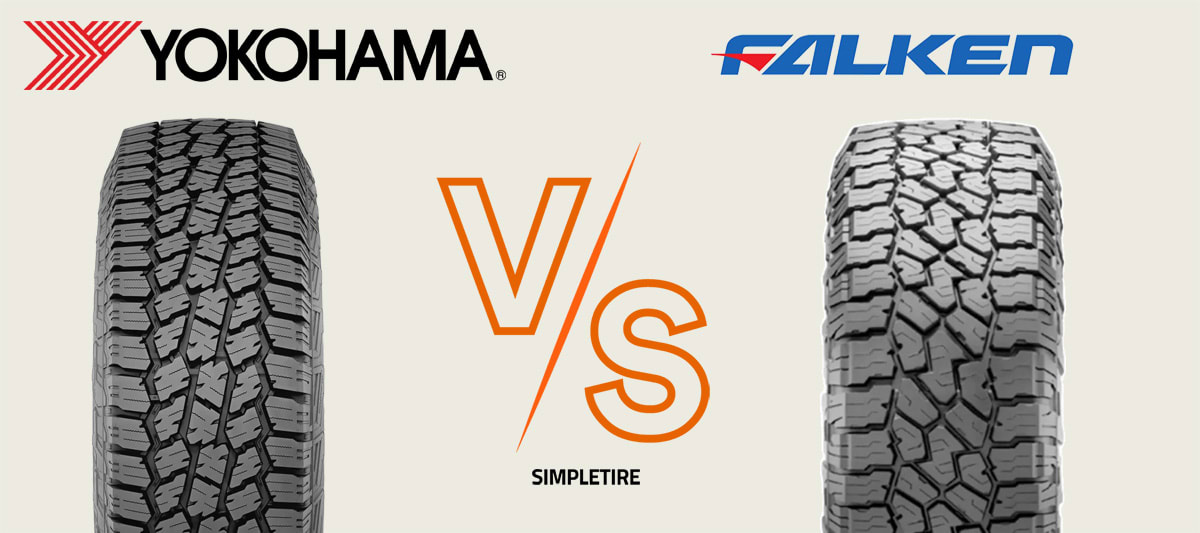
To help you make a practical choice, let’s compare some of their most popular tires side by side.
| Feature | Falken Ziex ZE960 A/S | Yokohama AVID Ascend GT |
|---|---|---|
| All-season | Yes | Yes |
| Wet Grip | Very Good | Excellent |
| Treadwear | Good | Very Good |
| Ride Comfort | Good | Excellent |
| Noise | Low | Very Low |
| Price | Lower | Higher |
For off-road and SUV drivers, here’s a comparison:
| Feature | Falken Wildpeak A/T3W | Yokohama Geolandar A/T G015 |
|---|---|---|
| Off-road Grip | Excellent | Very Good |
| Snow Performance | Excellent (3PMSF) | Very Good (3PMSF) |
| Highway Comfort | Good | Excellent |
| Tread Life | Good | Very Good |
| Price | Lower | Higher |
When To Choose Falken
- You want sporty performance but don’t want to pay premium prices.
- You drive off-road often and need tough, reliable tires.
- You want good value and solid performance in wet and dry conditions.
Falken is a smart pick for drivers who want more for their money, especially if you rotate your tires regularly and don’t mind a bit more road noise on some models.
When To Choose Yokohama
- You want maximum comfort and quiet for daily highway driving.
- You drive in snow or ice and need the best winter safety.
- You want to save fuel and care about eco-friendly technology.
- You prefer long tread life and are willing to pay a bit more upfront.
Yokohama is ideal for those who want a smoother, quieter ride, and are looking for the latest in eco and winter tire tech.
Non-obvious Buyer Tips
- Mixing tire brands can reduce safety and performance. Try to use the same brand and model on all four wheels for best results.
- The best tire for your car may not be the most expensive. Consider your climate, driving style, and typical road conditions before choosing.
- Check for rebates or seasonal discounts. Both brands often have promotions, especially in spring and fall.
- Consider tire age, not just tread. Even if unused, tires older than six years may not be safe.
Where To Buy And Get More Information
You can find both Falken and Yokohama tires at most major tire retailers, car dealerships, and online stores. It’s a good idea to check the official websites for technical details and warranty information. For more in-depth testing and comparisons, websites like Tire Rack have user reviews and test results.
Frequently Asked Questions
Which Brand Lasts Longer, Falken Or Yokohama?
Yokohama tires generally last longer, especially models like the AVID Ascend GT, which can reach up to 85,000 miles with proper care. However, actual tread life depends on driving habits, regular rotation, and road conditions. Falken’s warranty is usually 50,000–70,000 miles.
Are Falken Tires Good For Snow?
Yes, several Falken models are certified for severe snow, such as the Wildpeak A/T3W and Espia EPZ II. Look for the 3PMSF (Three-Peak Mountain Snowflake) symbol for best winter performance.
Are Yokohama Tires More Expensive?
In most cases, Yokohama tires cost 10–15% more than similar Falken models. The higher price is due to advanced compounds, longer tread life, and eco-friendly technology.
Which Tire Is Quieter On The Highway?
Yokohama tires, especially the AVID and BluEarth lines, are quieter and more comfortable for long highway trips. Falken’s Silent Core models are also quiet, but Yokohama is usually better for noise reduction.
Can I Use Falken Or Yokohama For Suvs And Trucks?
Both brands offer SUV and light truck tires. Falken’s Wildpeak and Yokohama’s Geolandar series are designed for these vehicles. Choose based on your need for off-road grip versus highway comfort.
Credit: simpletire.com
Final Thoughts
Both Falken and Yokohama offer excellent tires for a wide range of vehicles and driving styles. Falken stands out for value and sporty handling, while Yokohama leads in comfort, tread life, and eco-friendly technology. The right choice depends on your priorities—whether it’s price, performance, comfort, or sustainability. No matter which you pick, regular maintenance and proper installation are key for getting the best from your tires.