What Is A Steer Tire
If you have ever looked closely at a big truck or bus, you may have noticed that the front wheels often look slightly different from the rest. These special tires are called steer tires, and they have a unique job. For anyone who drives heavy vehicles, manages a fleet, or simply wants to learn more about how trucks stay safe and stable, understanding steer tires is essential. Many accidents and costly repairs can be avoided with the right knowledge about these crucial parts. Let’s explore what makes a steer tire special, how it works, and why it matters so much for safety and performance.
The Basic Meaning Of A Steer Tire
A steer tire is a tire placed on the front axle of a commercial vehicle, such as a truck, bus, or large van. Its main job is to control the direction of the vehicle. When you turn the steering wheel, the steer tires respond and change the direction of the vehicle. These tires are different from drive tires (which push the truck forward) and trailer tires (which are pulled along behind).
Unlike other types of tires on a truck, steer tires face the most stress from turning, braking, and handling the full weight of the front of the vehicle. This is why they have a special design, different tread patterns, and strict safety standards.
Why Steer Tires Matter
Steer tires are critical for several reasons:
- Steering control: The most obvious role is to guide the vehicle. If a steer tire fails, it can lead to immediate loss of control.
- Safety: A blowout or serious damage to a steer tire is much more dangerous than on other axles. This is because the vehicle can swerve quickly and cause an accident.
- Ride comfort: Good steer tires help absorb road bumps and vibrations, making long drives less tiring for drivers.
- Even tire wear: Proper steer tires reduce irregular wear on the front axle, saving money on replacements.
Key Differences Between Steer, Drive, And Trailer Tires
To better understand steer tires, let’s compare them with other types of truck tires:
| Feature | Steer Tire | Drive Tire | Trailer Tire |
|---|---|---|---|
| Position | Front axle | Rear (powered) axles | Rear (non-powered) axles |
| Main Function | Steering/Control | Traction | Load carrying |
| Tread Pattern | Straight rib | Deep, blocky | Shallow, even |
| Wear Rate | Even, slow | Faster (traction stress) | Slower |
| Cost | Highest | Medium | Lowest |
As you can see, the steer tire has a specific job and design. Using the wrong type of tire on the front axle can lead to handling problems or even safety risks.
Design Features Of Steer Tires
Steer tires are built to handle unique stresses and provide precise control. Here are some important design features:
1. Tread Pattern
Steer tires usually have a straight rib tread. This means the grooves run around the tire, not across it. This pattern helps with:
- Water evacuation (reducing hydroplaning)
- Smooth rolling
- Even contact with the road
2. Rubber Compound
The rubber used in steer tires is different from drive or trailer tires. It’s made to stay flexible in many temperatures, resist wear, and keep its shape under pressure.
3. Sidewall Strength
Because steer tires carry more weight and face side forces during turns, their sidewalls are reinforced to prevent damage.
4. Balance And Uniformity
A good steer tire must be perfectly round and balanced. Any small defect can cause vibration, leading to driver fatigue or mechanical problems.
5. Load And Speed Ratings
Steer tires often have higher load ratings and speed ratings compared to other truck tires. This is because the front axle carries a large part of the vehicle’s weight, especially during braking.
How Steer Tires Affect Safety
Steer tires play a huge role in keeping trucks and buses safe on the road. Here are some ways they help prevent accidents:
- Preventing blowouts: High-quality steer tires are less likely to fail suddenly. A blowout on a steer axle can make a large vehicle very hard to control.
- Reducing hydroplaning: The rib tread design pushes water away, helping the driver stay in control during rain.
- Shorter stopping distances: Steer tires grip the road well, especially when braking hard.
- More precise handling: Small changes in direction are easier to control with proper steer tires.
It’s important to note that many trucking companies replace steer tires more often than other tires because of their safety role.
Common Steer Tire Sizes And Specifications
While there are many steer tire sizes, a few are especially common in North America and Europe. Here are some examples:
| Common Size | Typical Application | Load Rating | Speed Rating |
|---|---|---|---|
| 11R22.5 | Heavy trucks | 6,000–7,200 kg | 120 km/h |
| 295/75R22.5 | Semi-trucks | 6,200–7,000 kg | 120 km/h |
| 315/80R22.5 | European trucks, buses | 7,100–8,000 kg | 110 km/h |
The numbers in these sizes show the tire’s width, sidewall height, and rim size. Always check your vehicle’s manual for the correct size.
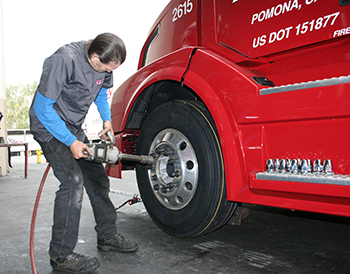
Credit: www.tirereview.com
When Should You Replace A Steer Tire?
Knowing when to change a steer tire is vital for safety and cost control. Here are signs that it’s time to replace your steer tires:
- Tread depth is too low: In the US, the legal minimum for steer tires is 4/32 inches (about 3.2 mm). Many experts recommend replacing even earlier for safety.
- Irregular wear patterns: If one side is worn more, or if you see “cupping” (bumpy wear), the tire should be checked and possibly replaced.
- Sidewall damage: Cracks, bulges, or cuts in the sidewall mean the tire is unsafe.
- Vibration or noise: Extra vibration from the front wheels often means the steer tires are worn or out of balance.
- Age: Even if the tread looks fine, most manufacturers recommend replacing truck tires every 6–7 years.
Steer Tire Maintenance Tips
Proper care extends the life of steer tires and keeps vehicles safe. Here are some best practices:
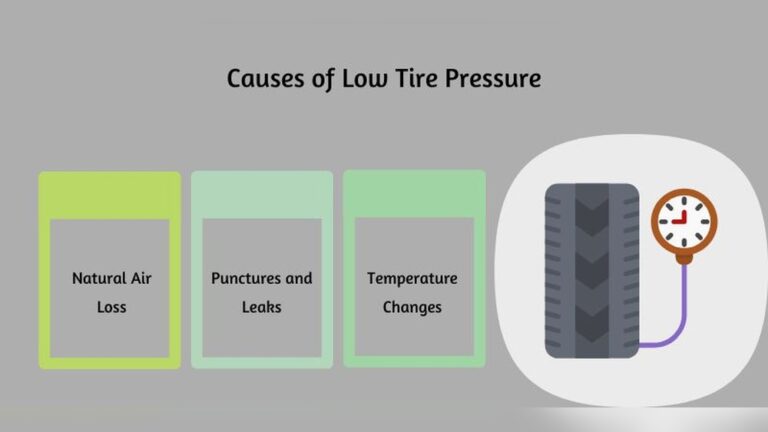
- Check air pressure regularly: Underinflated steer tires wear out quickly and can overheat.
- Rotate tires if possible: Not all trucks allow rotation, but if you can, it helps even out wear.
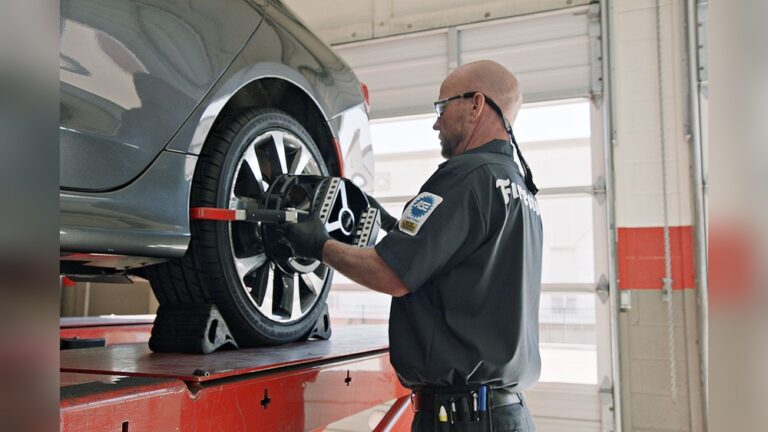
- Wheel alignment: Poor alignment causes quick and uneven wear on steer tires. Get alignment checked often.
- Inspect for damage: Look at your tires before every trip.
- Balance tires: Unbalanced steer tires cause vibrations and shorten their lifespan.
One non-obvious tip: Keep your suspension in good shape. Worn shocks or bushings can quickly destroy even the best steer tires, leading to early replacement and unsafe driving.
How To Choose The Right Steer Tire
Selecting the best steer tire is not just about price. Here’s what to consider:
- Type of driving: Long highway trips need different tires than city delivery trucks.
- Weather conditions: Some steer tires are made for wet or snowy roads.
- Load capacity: Make sure the tire can handle your maximum front-axle weight.
- Brand reputation: Well-known brands test their steer tires more and often have better safety records.
- Fuel efficiency: Some modern steer tires use special rubber to lower rolling resistance, saving fuel.
A common beginner mistake is choosing steer tires only by size or price. Always consider safety features, warranty, and reviews.
Real-world Examples Of Steer Tire Use
Many major transportation companies have learned the value of high-quality steer tires:
- Freight companies often replace steer tires twice as often as drive or trailer tires, since they understand the high risk of front-axle problems.
- Bus lines require strict checks of their steer tires before every trip because a front tire failure can be catastrophic for many passengers.
- In 2018, a study showed that over 80% of truck accidents caused by tire failure involved the steer axle. This highlights why these tires must be the best quality available.
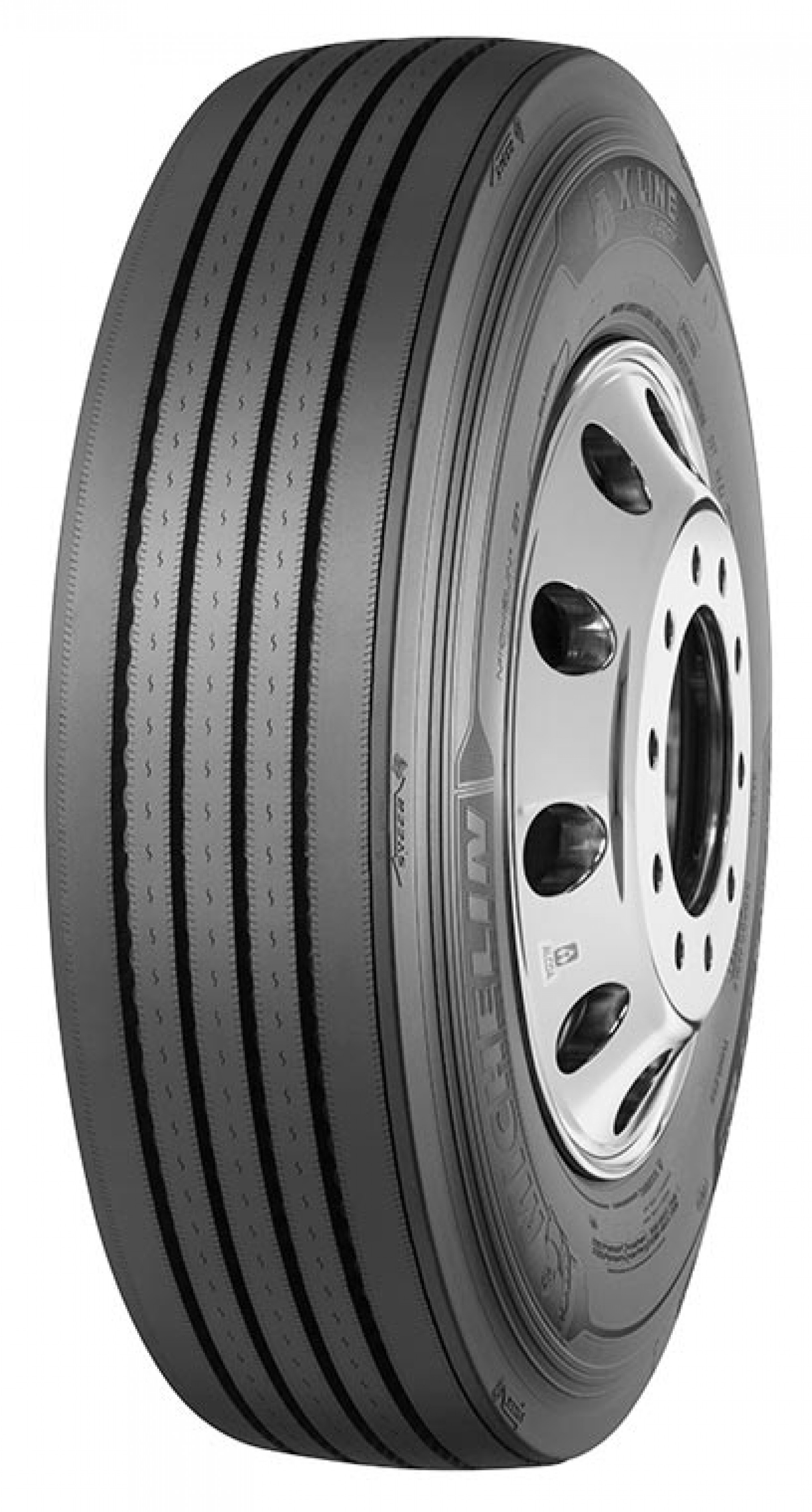
Credit: www.acmetires.com
The Cost Of Steer Tires
Steer tires are more expensive than other truck tires. Prices for a single steer tire can range from $300 to $600, and sometimes more for specialty designs. While this seems high, investing in quality steer tires can save money by:
- Reducing fuel use
- Preventing accidents
- Lowering maintenance costs
Buying cheaper, low-quality steer tires is a false economy, as they often wear out faster and increase the risk of breakdowns or crashes.
Innovations In Steer Tire Technology
The tire industry continues to improve steer tires. New advances include:
- Low-rolling resistance rubber: Saves fuel by reducing friction.
- Smart sensors: Some modern steer tires have sensors to monitor pressure and temperature in real time.
- Improved wet grip: New tread patterns help prevent hydroplaning even in heavy rain.
These changes help fleets run more safely and efficiently.
For more details on how tire technology is evolving, you can visit the Commercial Vehicle Tire page on Wikipedia.
Frequently Asked Questions
What Makes A Tire A “steer Tire”?
A steer tire is specially designed for the front axle of a truck or bus. It has a unique tread pattern and stronger construction to handle steering, weight, and road conditions. Regular tires don’t offer the same level of control or safety on the steering axle.

Credit: www.toyotires.com
Can I Use Drive Tires As Steer Tires?
It’s not recommended. Drive tires have deeper, blockier treads for traction, which can make steering less precise and cause uneven wear. Always use tires marked and designed for steer positions on the front axle.
How Long Do Steer Tires Usually Last?
Most steer tires last between 80,000 and 120,000 miles, but this depends on driving style, load, road conditions, and maintenance. Regular inspections and proper inflation can extend their life.
Are Retreaded Tires Safe For The Steer Axle?
Retreaded tires are generally not recommended for steer axles, especially on large trucks and buses. New steer tires offer the best safety and handling, while retreads are better suited for drive or trailer positions.
Why Do Steer Tires Wear Out Faster Than Other Tires?
Steer tires face more stress from turning, braking, and carrying the front axle’s weight. They are in constant contact with changing road surfaces and must respond quickly to steering input, causing them to wear faster than drive or trailer tires.
Final Thoughts
The steer tire is more than just another part of a truck or bus—it is a key safety feature. Its special design, strict maintenance needs, and higher cost all reflect how important it is for safe, comfortable, and efficient driving. By understanding what makes a steer tire unique and how to care for it, drivers and fleet managers can avoid accidents, save money, and keep vehicles running smoothly. Don’t cut corners when it comes to your steer tires; they may be the most important tires on the road.